
Last updated November 22, 2026
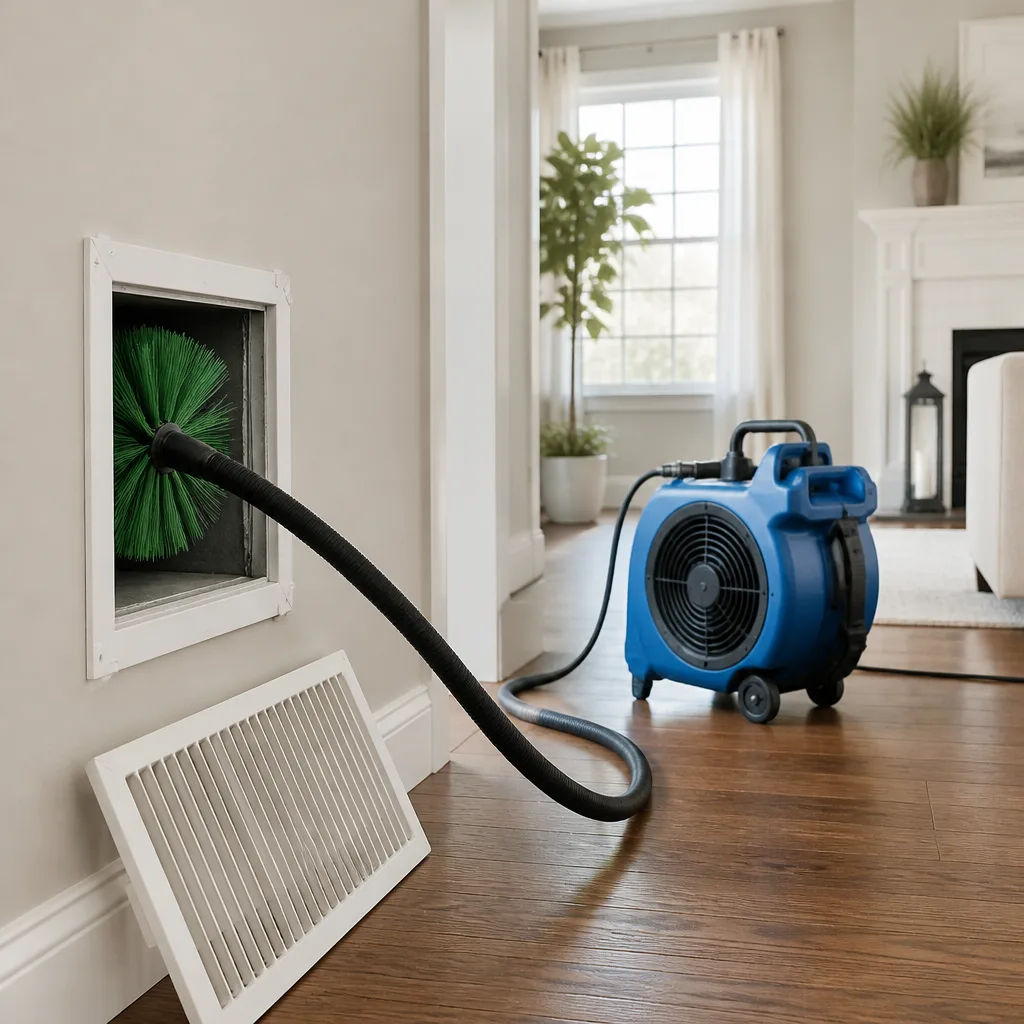 Whole-home duct cleaning
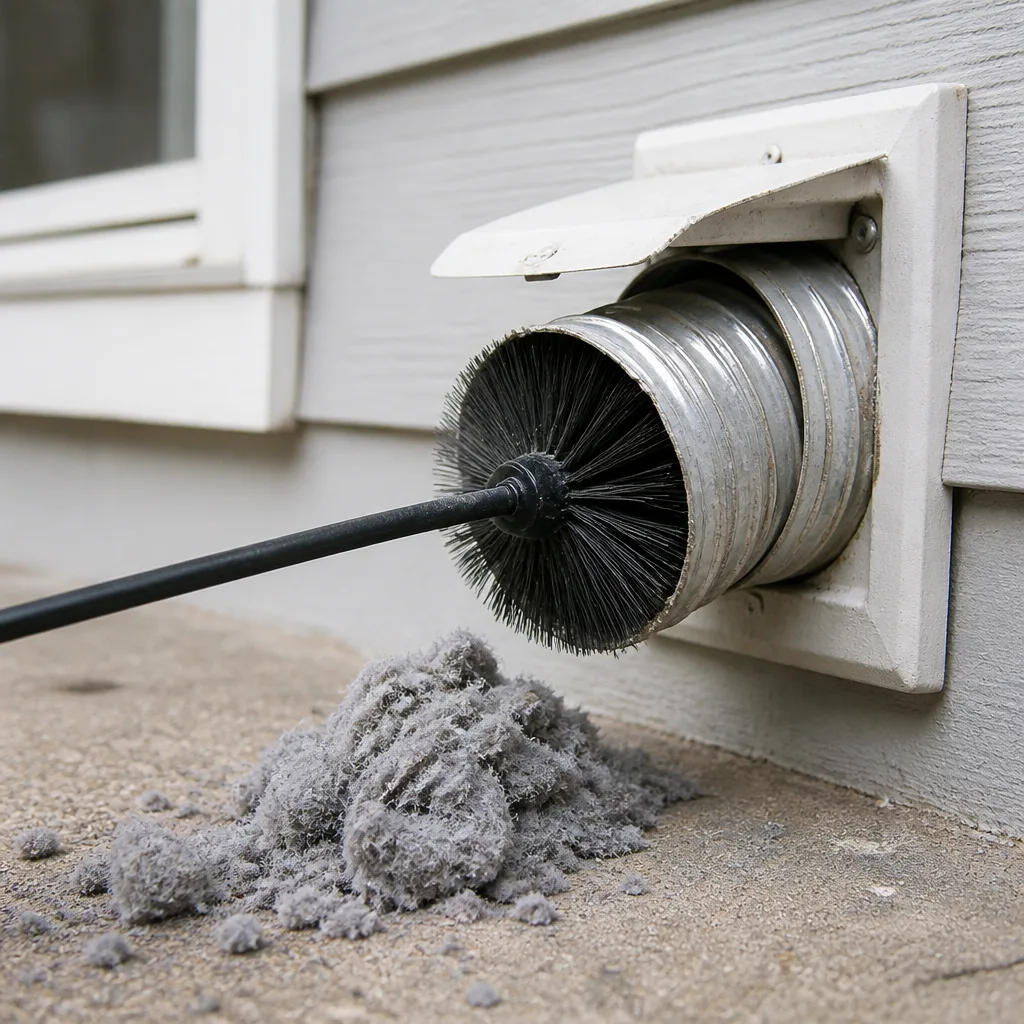 Dryer vent cleaning
 Camera inspection
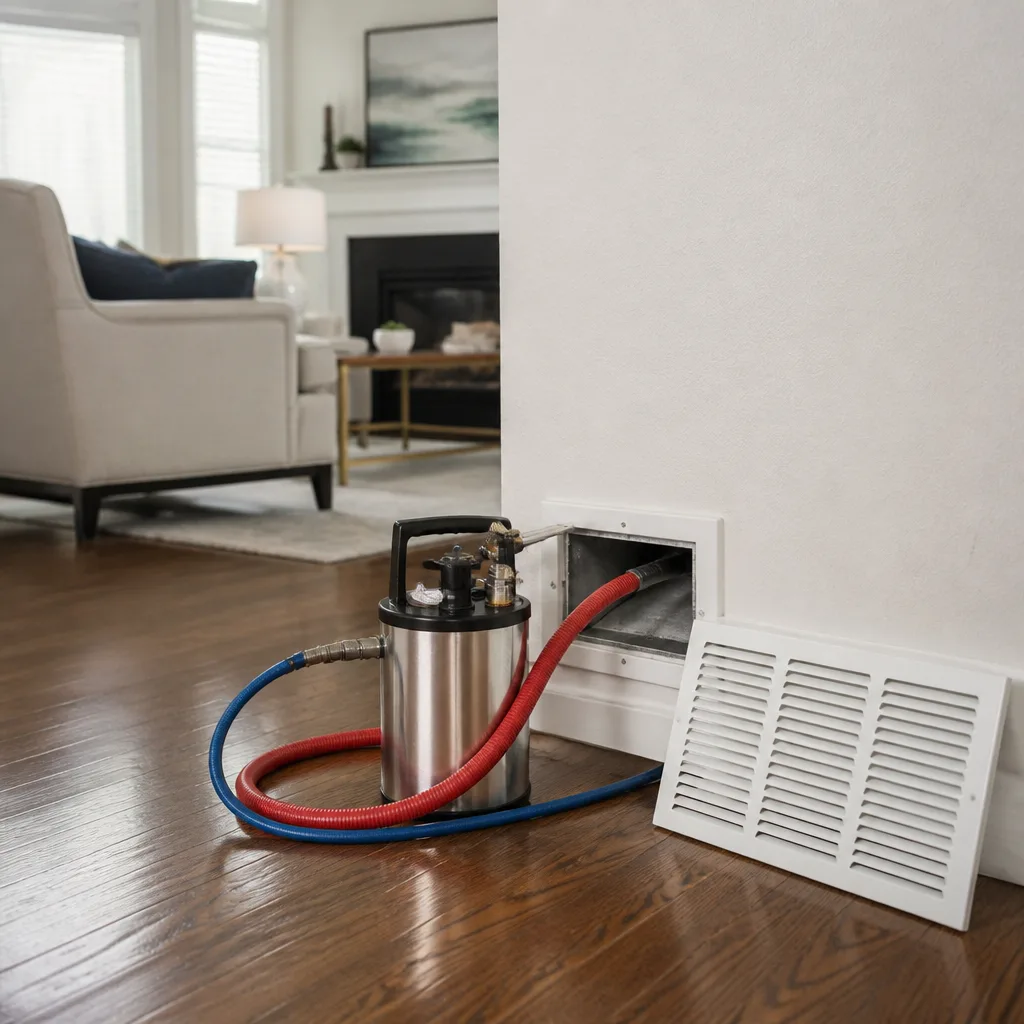 Sanitizing & deodorizing
Whole-system duct and dryer vent check with before-and-after photos - you see exactly what came out of your vents
That "$99 whole-house special" is a bait ad - the real number appears once they are in your hallway, or the "clean" is a shop-vac at the register. We photograph the inside of your ducts before and after instead.
Seasonal Air Duct Cleaning Care for Kingsbridge: Year-Round Homeowner’s Guide
Most duct cleaning advice you’ll find online was written for a generic American house in a generic American climate. Kingsbridge isn’t generic. This neighborhood sits in the northwest Bronx, where summers run humid enough that a closed-up apartment can hold moisture for weeks, and where the first cold snap in October sends everyone running to the thermostat at once. The ducts in these pre-war walkups and mid-century brick buildings collect a year’s worth of debris in a rhythm that has nothing to do with the “clean twice a year” rule you’ll read elsewhere. This guide walks through what actually happens inside a Kingsbridge duct system across all four seasons, and how to build a cleaning cycle around the pressures this neighborhood really has.
Quick Answer
The right time to clean air ducts in Kingsbridge depends on what your system has been through: spring cleaning clears winter heating deposits and pre-empts pollen loading, late summer addresses humidity-driven microbial growth, and fall is the moment to inspect and seal before the heating season starts. Most Kingsbridge homes do well on a cycle of one thorough professional cleaning every two years, timed to the season that stresses their particular system most, with a filter change and a visual check at each seasonal turn.
Styles & brands we work with
- Whole-home duct cleaning
- Dryer vent cleaning
- Camera inspection
- Sanitizing & deodorizing
Table of Contents
- Why Seasonal Duct Care Matters More in Kingsbridge Than the National Advice Suggests
- Spring: Clearing Winter’s Heating Deposits Before Pollen Arrives
- Summer: Humidity, Biofilm, and What to Watch For
- Fall: The Pre-Heating-Season Inspection That Almost Nobody Does
- Winter: Condensation on Cold Ducts and What It Does to Your Liner
- How to Build a Two-Year Cleaning Cycle Around Kingsbridge’s Real Seasonal Pressures
- What a Thorough Seasonal Inspection Actually Involves
- Seasonal Warning Signs You Shouldn’t Ignore
Why Seasonal Duct Care Matters More in Kingsbridge Than the National Advice Suggests
Generic duct cleaning guidance assumes a house with central air, a sealed envelope, and moderate humidity year-round. A lot of Kingsbridge housing stock doesn’t match any of those assumptions. Much of the neighborhood is older: brick apartment buildings, walk-ups, and single-family homes built decades ago, many with duct systems that were retrofitted rather than designed from scratch. Those systems often have uninsulated runs through cool basement or cellar spaces, returns that pull from hallways shared with neighbors, and fiberglass duct liner that’s been through more heating and cooling cycles than anyone remembers.
The other factor is the Bronx climate itself. Kingsbridge gets real seasonal swings: humid summers where indoor relative humidity can climb above 60% without deliberate control, and cold winters that push the heating system hard for months. That combination puts a duct system through a much wider range of conditions than the national averages assume. Air that’s warm and damp in July meets a cold duct surface differently than it does in a dry climate. Air that’s been heated all winter carries different particulates than air in a milder region.
This is why we treat seasonal duct care as a sequence of specific tasks rather than a calendar reminder. The point isn’t to clean more often. It’s to clean at the right time, for the right reason. We use professional-grade equipment from Rotobrush and Nikro because the debris we’re pulling from a Kingsbridge return in April is a different mix than what’s there in September, and it needs real extraction power, not a shop vac and a brush.
Spring: Clearing Winter’s Heating Deposits Before Pollen Arrives
Spring is the most underrated season for duct work in Kingsbridge, and it’s the one we’d pick first if a homeowner asked us to choose a single cleaning window. Here’s the reasoning. All winter, your heating system has been cycling air through the same ducts, and that air carries fine combustion byproducts, dust, and whatever the filter didn’t catch. By March or April, those deposits have settled along the duct walls and in the return plenum. Meanwhile, the trees and grasses around Kingsbridge are about to release pollen that will load up the return air side within weeks.
Clean the ducts in early spring and you do two things at once: you remove the winter’s accumulated deposits before they get stirred back into circulation, and you start the pollen season with a clean system that can actually be maintained by your filter. Clean them in summer and you’re chasing pollen that’s already been drawn through the system. Clean them in late fall and you’ve let a whole season of buildup sit there through the heating months.
A spring cleaning in a Kingsbridge home typically covers:
- Supply and return trunk lines, run with a Rotobrush or Nikro system and negative-pressure containment so loosened debris doesn’t drift into living space.
- Register and grille faces, which catch a surprising amount of fine dust over a heating season.
- The air handler and blower compartment, where dust accumulates and then gets redistributed every time the fan kicks on.
- Filter condition and fit, which matters most before pollen season, when a poorly sealed filter lets unfiltered air bypass the media entirely.
After a spring professional air duct cleaning, the maintenance is mostly yours: swap the filter on schedule, and note how quickly it darkens. A filter that loads up fast in April and May tells you pollen is making it into the return, which is exactly when a higher-MERV filter earns its cost.
Summer: Humidity, Biofilm, and What to Watch For
Summer is when the biology inside a duct system gets interesting, and not in a good way. The trigger is relative humidity. When the air inside your ducts sits above roughly 60% RH for extended periods, the conditions become favorable for microbial growth on duct surfaces. In a humid Bronx summer, a closed-up apartment with a window unit or a central system cycling on and off can easily hold that kind of moisture. Add dust and organic debris as a food source, and you have the recipe for the sour, musty smell that homeowners start noticing in July and August.
The key word here is conditions. Humidity doesn’t guarantee growth, and a musty smell doesn’t always mean remediation is needed. What it does mean is that you should flag it early rather than wait for it to become a bigger job. Here’s what we suggest Kingsbridge homeowners check before calling anyone:
- The smell test at each register. Run the fan for a few minutes with the system off heating and cooling, and note any odor at individual vents. A single musty vent points to a localized issue; a system-wide smell points to the plenum or trunk.
- Visible moisture or staining around supply registers, especially in rooms that feel clammy. That’s a sign the duct surface itself is condensing, not the room.
- The filter’s texture. A filter that feels damp or looks mottled after a few weeks in summer is telling you something about the humidity in the return.
- The indoor humidity reading. A simple hygrometer, placed in the room where you spend the most time, gives you a real number instead of a guess. If it’s consistently above 60% in summer, that’s a duct and whole-home humidity conversation, not just a cleaning one.
When the humidity problem is persistent, cleaning alone won’t solve it. This is where air quality and sanitizing work together with humidity control equipment, and it’s why we work with brands like Aprilaire and Honeywell on the filtration and humidity side. A professional-grade cleaning removes the accumulated food source; a properly sized and installed humidity control system keeps the conditions from coming back.
Fall: The Pre-Heating-Season Inspection That Almost Nobody Does
The first time you turn the heat on in October is one of the highest-risk moments for air quality in a Kingsbridge home. Here’s why. Your system has sat mostly idle through the humid summer. Dust and any microbial material has had weeks to settle and dry. When the burner fires for the first time, whatever is sitting in the ductwork and around the heat exchanger gets blown into the living space in a concentrated burst. That’s the “first heat” smell that most people write off as normal. It isn’t always harmless.
Fall inspection is the most valuable thing you can do for your duct system in Kingsbridge, and it’s the one task almost nobody schedules. What it should cover:
- A camera inspection of the duct runs that serve the heat exchanger area, looking for debris accumulation, loose liner, or damage that a visual check at the register would miss.
- Cleaning of the burner compartment and surrounding duct surfaces, which is where fine soot and combustion byproducts settle over a season. This is not a DIY job. Gas-fired heating equipment and the ductwork immediately around it should only be opened by a trained technician, because the components involved can create a real safety hazard if disturbed improperly.
- A filter upgrade before the first heat cycle, sized correctly for the blower and the return.
- A check of the duct joints and connections nearest the furnace or boiler, which is where heat-driven expansion and contraction does the most wear.
This is the season where a cleaning and a HVAC cleaning overlap, and it’s why we think of the two as a combined fall task rather than separate services. Clean ducts and a clean air handler going into heating season means the first heat cycle blows through a system that’s actually ready for it. If you want the full sequence, our main page at Air Duct Cleaning Kingsbridge lays out how the five service lines fit together.
Winter: Condensation on Cold Ducts and What It Does to Your Liner
Winter is where Kingsbridge housing stock creates a problem that warmer climates never see. Supply ducts that run through uninsulated basement or cellar spaces get cold. When warm, moist household air passes through or around one of those cold runs, moisture condenses on the duct’s exterior surface. That’s condensation you can’t see from the register, but it does real work over a season.
The specific concern is fiberglass duct liner. Many older Kingsbridge systems have internal fiberglass liner for sound and thermal control. When a duct run cycles between cold and warm repeatedly, and moisture collects on or near the liner, the liner can lose its integrity over time. It can sag, separate, or develop a damp, musty character. Once lint and debris bond to a compromised liner, cleaning becomes harder and the liner itself may need repair or replacement rather than just cleaning.
What to watch for in winter:
- Condensation or staining on the outside of duct runs visible in a basement, cellar, or utility closet. That’s the most direct sign of the problem.
- Rust or water marks near duct joints, which point to repeated condensation cycles.
- A musty smell that’s worse in very cold weather, which can indicate damp liner rather than seasonal dust.
- Reduced airflow at registers furthest from the air handler, which can mean debris has clogged a run or a liner has sagged and restricted flow.
Winter is also the right time to address the underlying fix, which is insulation and sealing on the cold runs. That’s a duct repair and sealing job, not a cleaning job, and it’s why we keep those under the same roof. Cleaning removes the debris; sealing and insulating the cold runs stops the condensation from coming back.
How to Build a Two-Year Cleaning Cycle Around Kingsbridge’s Real Seasonal Pressures
Forget the generic “clean twice a year” recommendation. It’s written for climates that don’t have Kingsbridge’s humidity swings and heating demand, and for duct systems that are usually newer than what’s in this neighborhood. Here’s a cycle that fits the way air actually moves through a Kingsbridge home over a two-year span.
Year One:
- Early spring: Full professional air duct cleaning, timed to clear winter deposits before pollen loads the return. Add a duct repair and sealing assessment at the same visit if the system’s never been inspected.
- Late summer: Humidity check and a visual inspection of the register faces. If the season’s been humid and you’re noticing odors, that’s the moment to schedule a sanitizing service rather than wait.
- Early fall: Pre-heating inspection with a camera check of the heat exchanger area ducts, plus a filter upgrade. This is the highest-value single task of the year.
- Mid-winter: Watch for condensation on cold basement runs. If it appears, note it for the repair and sealing conversation in year two.
Year Two:
- Spring: Filter and visual check only. Most Kingsbridge systems don’t need a full cleaning every single year if the first one was thorough and the filter maintenance has been consistent.
- Summer: Second full cleaning if the home has had moisture or odor issues, or if a renovation or new pet has added load to the system. Otherwise, hold.
- Fall: Repeat the pre-heating inspection. This annual fall check is non-negotiable, every year, regardless of the cleaning schedule.
- Winter: Address any duct repair and sealing work identified the previous season, so the system goes into the next heating cycle sealed and insulated properly.
That’s the shape of it. One full cleaning every two years for most homes, a fall inspection every single year, and a filter rhythm that shifts with the seasons. Homes with pets, recent renovations, or a household member with respiratory sensitivity may run the full cleaning on a yearly cycle instead, but the fall inspection stays constant.
What a Thorough Seasonal Inspection Actually Involves
One of the reasons duct work has a bad reputation is that “inspection” and “cleaning” get used interchangeably by services that aren’t doing either thoroughly. Here’s what a real seasonal inspection should include, so you know what to expect when we arrive and what questions to ask anyone else.
- A pre-work walkthrough with you. We look at registers, the air handler, and any duct runs you can point us toward in basements or utility spaces, and we note what you’ve observed. You should see what we see before any equipment turns on.
- Camera inspection of the duct interior, especially on the runs where a register-level view can’t reach. This is where real problems live: loose liner, debris dams, disconnected joints.
- Containment setup before extraction, using Abatement Technologies equipment so loose debris doesn’t migrate into your living space during cleaning. This is standard practice in contamination-sensitive environments and it’s the right way to handle a residential job too.
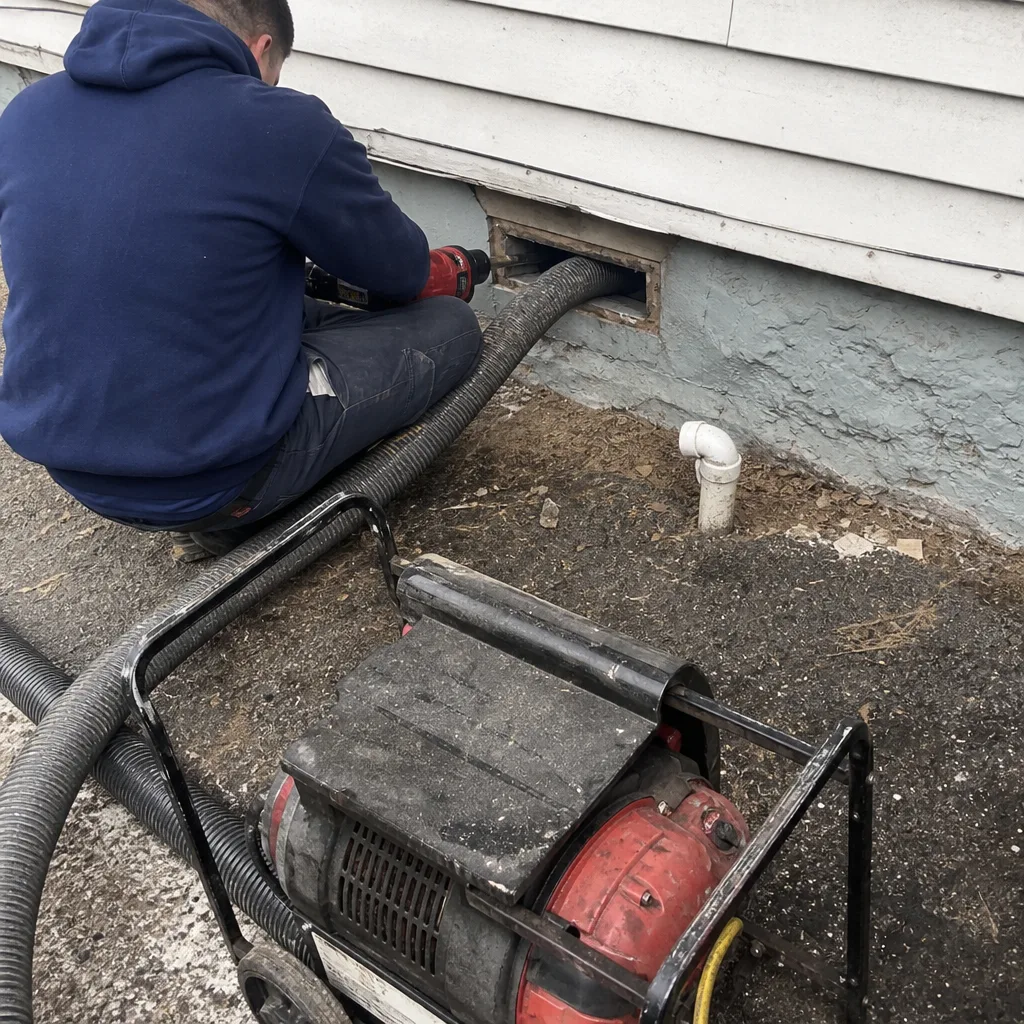
- Professional-grade extraction with Rotobrush or Nikro equipment, matched to the duct material. Fiberglass-lined ducts need different handling than sheet metal, and flexible runs need different tools than rigid trunk lines.
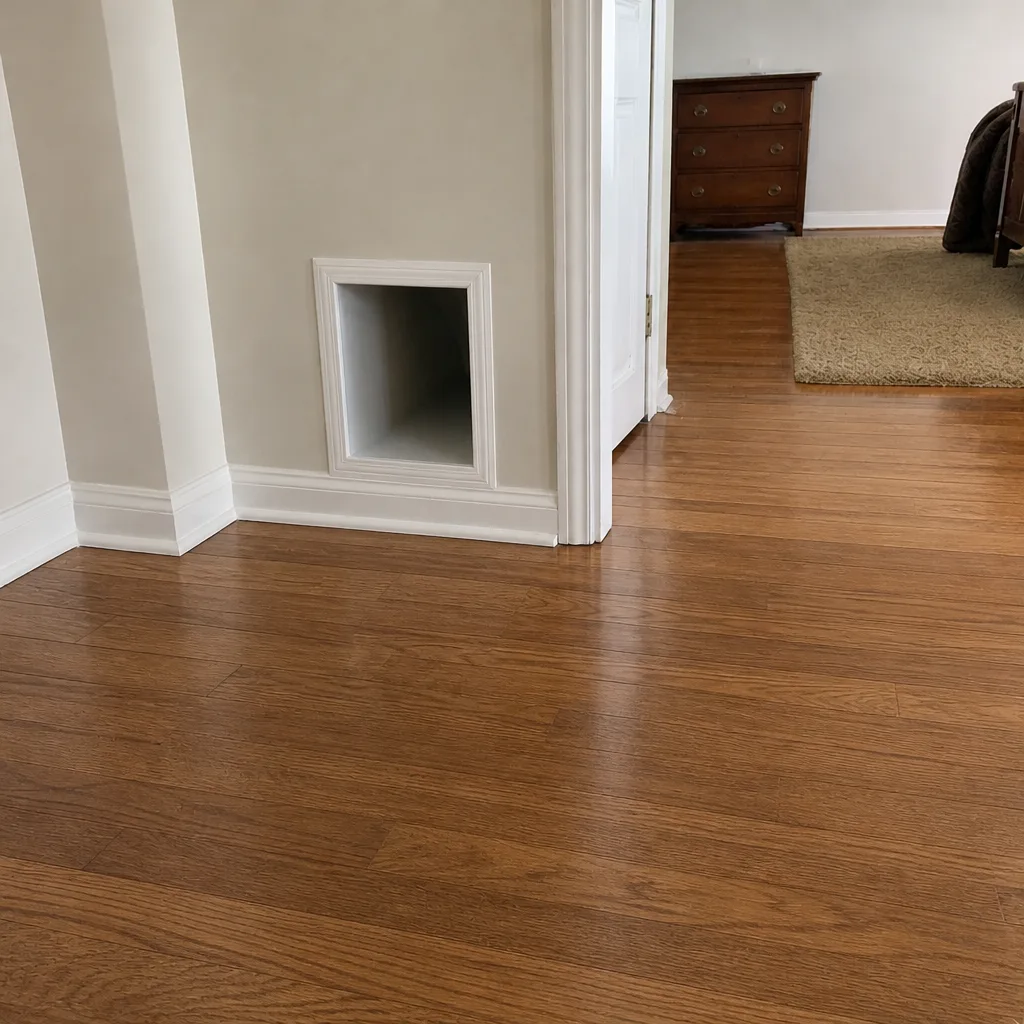
- Before-and-after documentation. We show you what we found and what came out. You shouldn’t have to take anyone’s word for the result.
- Sanitizing when called for. We use Guardsman-brand products when the inspection indicates microbial conditions that warrant treatment.
- A written summary of findings and recommended next steps, including whether duct repair and sealing should be scheduled before the next heating season.
That level of detail is what separates a real cleaning from a quick pass with a brush. If you’re comparing services, ask each one what equipment they bring and whether they do camera inspection or just register-to-register vacuuming. The answer tells you a lot.
Seasonal Warning Signs You Shouldn’t Ignore
Seasonal warning signs are usually unremarkable one at a time. A little dust near a register. A slight musty smell at the start of summer. A filter that seems to clog faster than it used to. Individually, none of these demand immediate action. In combination, they’re often telling you the same thing: things have built up, and the system needs a proper look.
- Visible dust streaks around register frames or on surrounding walls. This points to duct leaks pulling air from unconditioned spaces into the system, which is a repair and sealing conversation, not just a cleaning one.
- A sour or musty smell that appears or intensifies at a specific season. A summer smell points toward humidity and microbial conditions; a winter smell points toward damp liner or condensation.
- Filters that load up in a few weeks despite being the right MERV and fit. That’s a sign there’s material in the ducts that the filter was never designed to catch.
- Uneven airflow across rooms. Some rooms warm or cool fine while others struggle. That’s often duct damage or a debris blockage in a specific run, not a system-wide problem.
- Visible condensation or staining on duct exteriors in basements or utility closets, especially in winter. That’s the liner and insulation issue discussed earlier, and it tends to get worse every season it’s left.
- The “first heat” smell that lingers past a day. A brief smell at the very first cycle of the season is common. A smell that persists for days or weeks is asking to be looked at.
If you’re seeing two or more of these signs in the same season, it’s time to schedule a real inspection. Not a cleaning quote over the phone, an inspection.
Common Mistakes to Avoid
- Cleaning ducts in spring and then ignoring them until next spring. The fall pre-heating inspection is the more important annual task in a Kingsbridge home, because the first heat cycle of October can blow a summer’s accumulated dust straight into your living room.
- Using a “clean twice a year” rule written for a different climate. Kingsbridge’s humidity profiles and older housing stock demand a cycle built around actual seasonal pressures, not a generic national recommendation.
- Skipping the filter upgrade at the fall inspection. A system that’s been cleaned but is running on a loaded or undersized filter is loading itself back up from day one of heating season.
- Ignoring condensation on basement duct runs. A little condensation in winter looks harmless, but it’s actively degrading fiberglass liner, and that problem gets more expensive each year it’s allowed to continue.
- Letting a humid summer unfold without checking humidity indoors. A cheap hygrometer is the most useful diagnostic tool a Kingsbridge homeowner can own, because it tells you when to escalate from cleaning to humidity control before microbial growth gets a foothold.
- Hiring a service that only vacuums from the registers. Register-to-register vacuuming misses the trunk lines, the plenum, and the air handler, which is where the buildup actually lives. Professional-grade extraction with Rotobrush or Nikro equipment is the standard you should expect.
- Treating duct repair and duct cleaning as separate problems. A cleaned system with leaky joints pulls unfiltered air from crawlspaces and cellars, and gets dirty again fast. Clean ducts and sealed ducts go together.
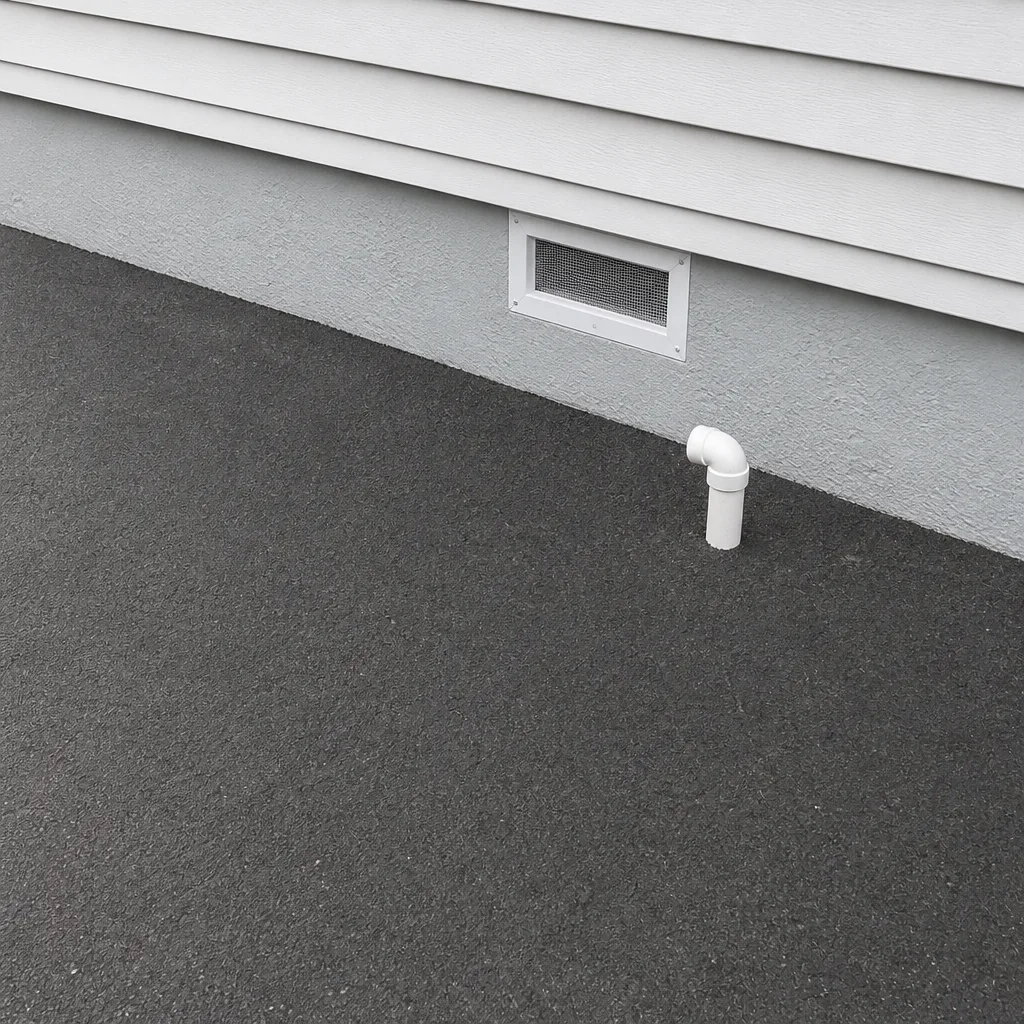
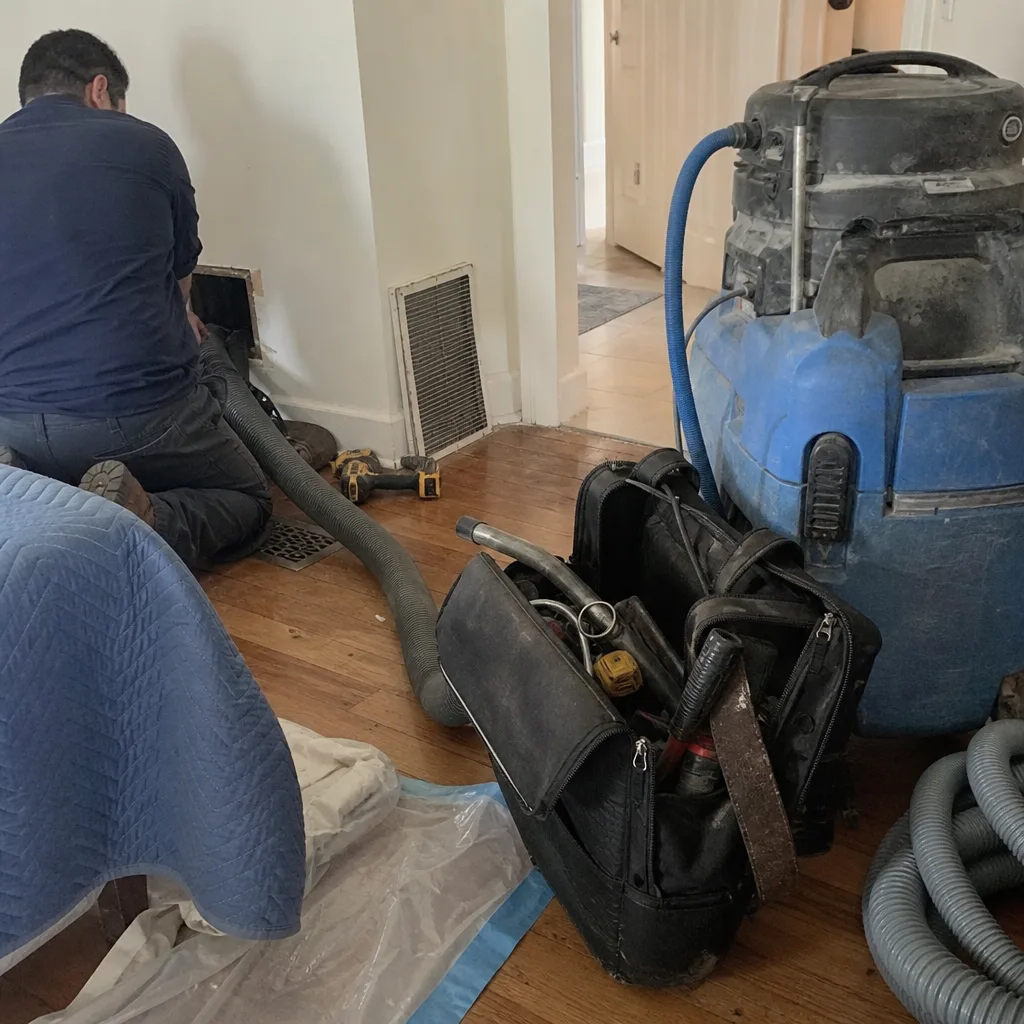
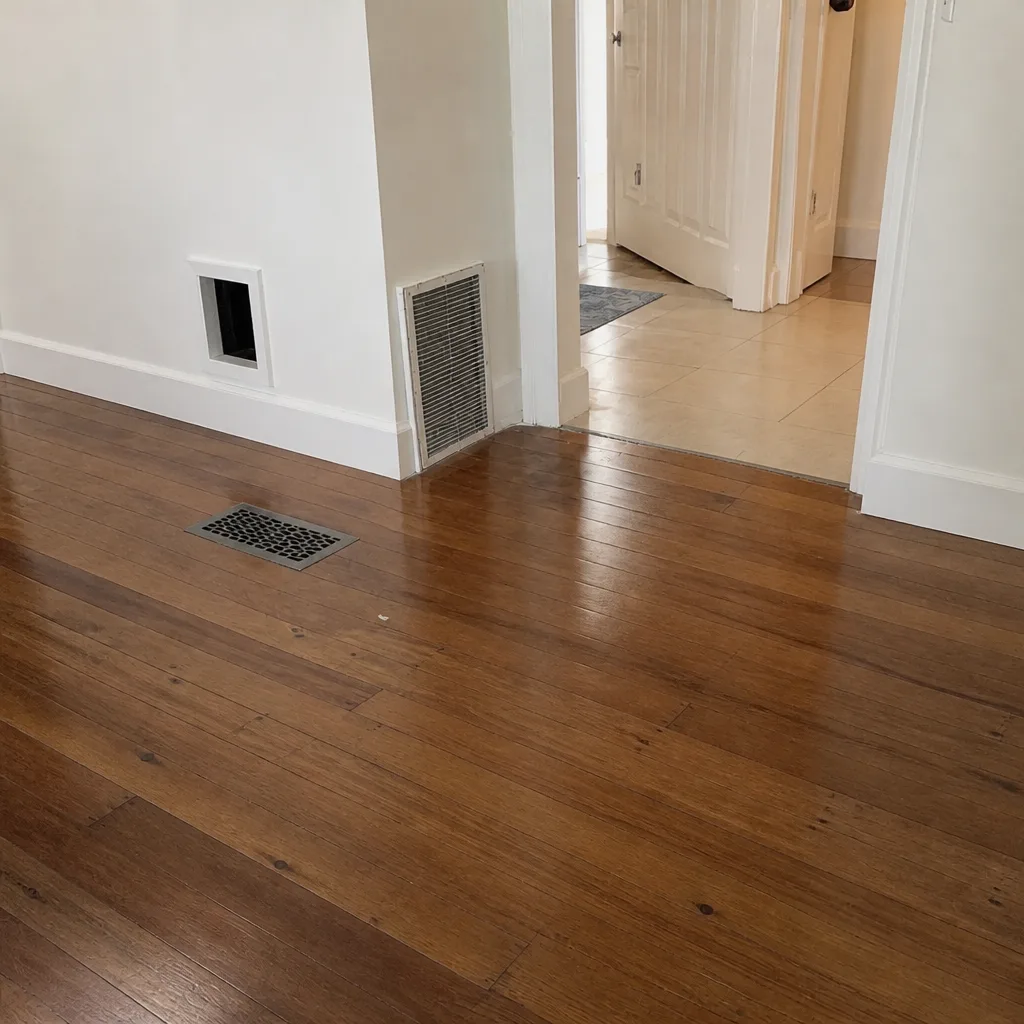
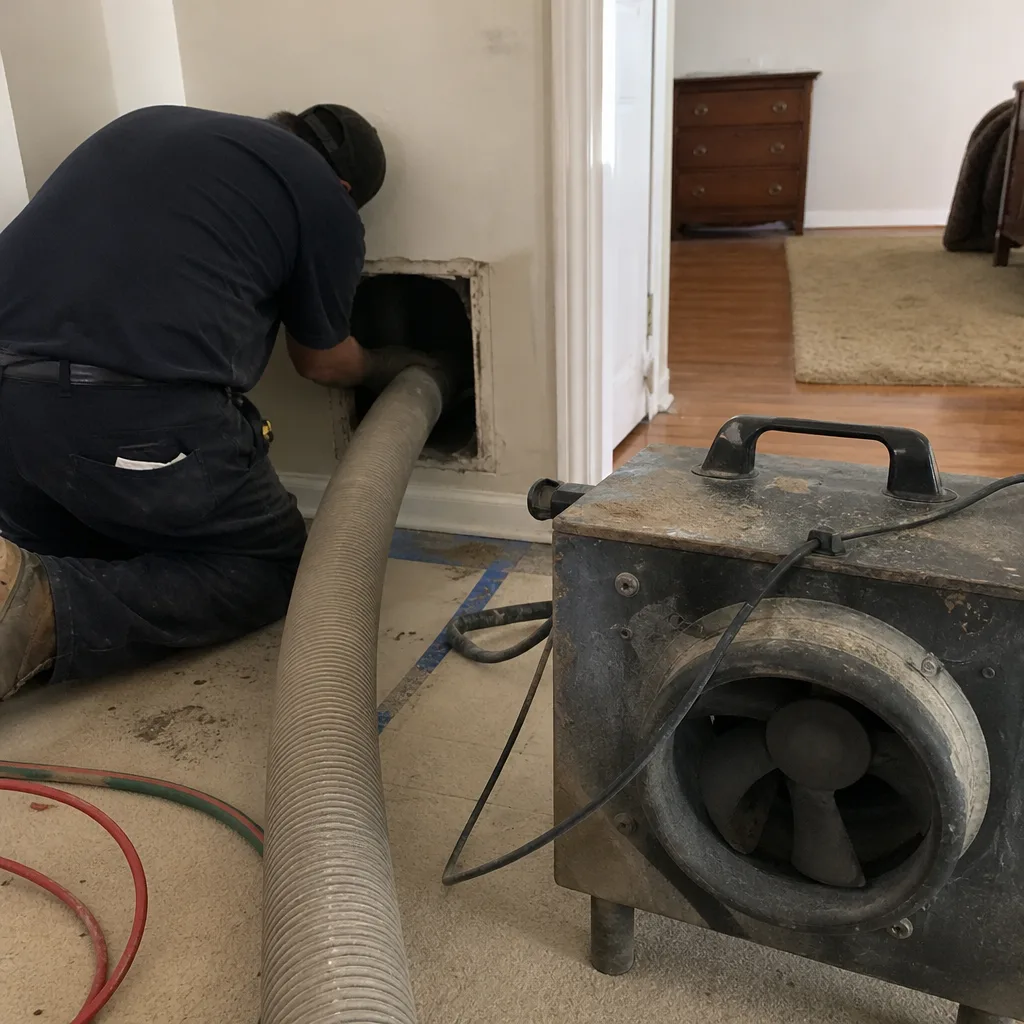
See the difference
 Before
 After
 Before
 After
 Before
 After
When to Call a Professional
Some seasonal duct care belongs to you: swapping filters, keeping humidity in check with a hygrometer, and watching for the warning signs we’ve listed. Other tasks shouldn’t be handled by a homeowner, no matter how careful. Anything involving the burner compartment, the heat exchanger area, or gas-fired heating equipment requires a trained technician; those components have real safety implications if handled improperly. Persistent musty odors that don’t respond to a cleaning, visible moisture on duct surfaces, duct damage near the air handler, and any system where the fall inspection hasn’t been done in years are all reasons to bring in a professional. Air Duct Cleaning Kingsbridge offers free estimates in Kingsbridge. Call (855) 658-4077. We answer 24/7. Fast dispatch from 7am to 7pm, Sunday through Friday.
Frequently Asked Questions
Most Kingsbridge homes do well with one full professional cleaning every two years, timed to early spring so winter deposits are cleared before pollen season. Homes with pets, recent renovations, or a household member with respiratory sensitivity may want a yearly cleaning. Either way, the fall pre-heating inspection should happen annually regardless of the cleaning schedule, because that first heat cycle of the season is when accumulated debris matters most.
No. A musty smell in summer is a signal worth investigating, not a diagnosis. In a humid Kingsbridge summer, when indoor relative humidity climbs above 60%, ducts can hold moisture long enough for microbial growth to start, but the smell might also be from a damp filter or a localized condensation issue. A camera inspection identifies what’s actually there. If microbial conditions are confirmed, sanitizing with Guardsman-brand products is the appropriate treatment, followed by humidity control to prevent recurrence. Call (855) 658-4077 for an inspection and a free estimate.
A fall inspection is a camera check of the duct runs serving the heat exchanger area, a cleaning of the burner compartment and surrounding duct surfaces by a technician trained for it, a filter check and upgrade if needed, and a look at duct joints near the furnace that take the most wear from seasonal expansion. The goal is to make sure the first heat cycle of October pushes air through a system that’s ready for it, not through a summer’s worth of settled debris.
In Kingsbridge homes with uninsulated supply runs through basement or cellar spaces, cold duct exteriors meet warm, moist household air and condense over the heating season. That moisture degrades internal fiberglass duct liner over time, which can cause the liner to sag, separate, or become a damp surface that debris sticks to. Repair and sealing of the cold runs addresses the cause; cleaning alone only removes the symptom. A trained technician can confirm whether the liner has been compromised. Call (855) 658-4077. We answer 24/7. Fast dispatch from 7am to 7pm, Sunday through Friday.
Dryer vent cleaning has its own rhythm, tied to how much laundry the household does rather than to the outdoor seasons, but pairing it with a fall inspection is a convenient way to remember it. Lint accumulation in a dryer vent is a fire risk, and a vent that’s been running for a year without attention is worth checking. Our dryer vent cleaning service covers the full run from the dryer connection to the exterior vent, not just the visible lint trap area.
No, not thoroughly. A shop vac and a consumer brush kit can pull some surface dust from the register faces and the nearest foot or two of duct, but it can’t generate the negative pressure or reach the trunk lines, plenum, and air handler compartment where buildup actually lives. Worse, a poorly contained DIY attempt can loft fine debris into your living space instead of extracting it. Professional-grade equipment from Rotobrush and Nikro, set up with Abatement Technologies containment, extracts debris without redistributing it. The difference is visible in the before-and-after documentation.
The Bottom Line
Seasonal duct care in Kingsbridge isn’t about following a generic cleaning schedule. It’s about knowing what your system goes through in each season and timing the right task for each window: a spring cleaning to clear winter deposits before pollen loads the return, a summer humidity check to catch microbial conditions early, a fall pre-heating inspection that almost nobody schedules and everybody should, and a winter watch for condensation on cold basement runs. Build the two-year cleaning cycle around those pressures, keep the filter rhythm honest, and treat duct repair and sealing as part of the same conversation as cleaning. Clean ducts and sealed ducts are what actually deliver the air quality and efficiency results homeowners are looking for. If you want a professional-grade inspection to start the cycle, call Air Duct Cleaning Kingsbridge at (855) 658-4077 for a free estimate. We answer 24/7. Fast dispatch from 7am to 7pm, Sunday through Friday.
Written by the team at Air Duct Cleaning Kingsbridge.