
Last updated November 22, 2026
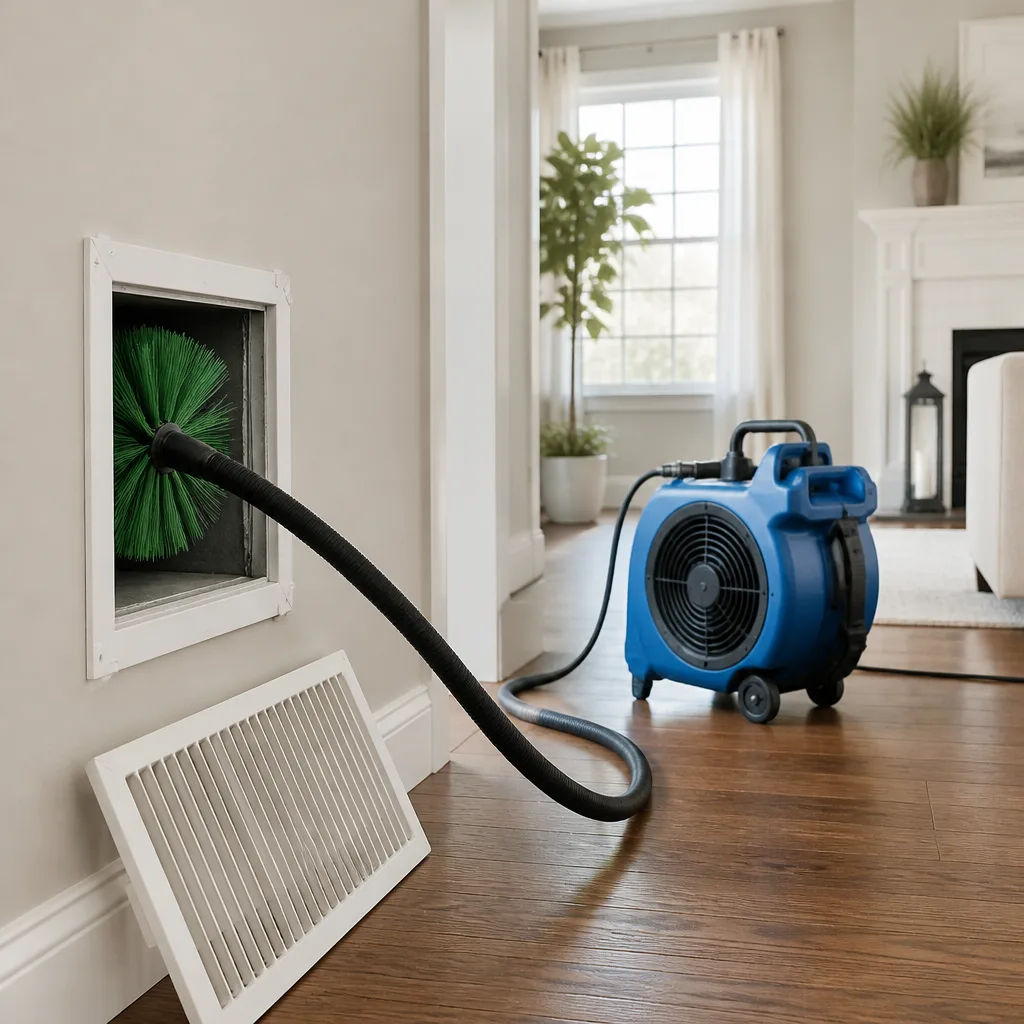 Whole-home duct cleaning
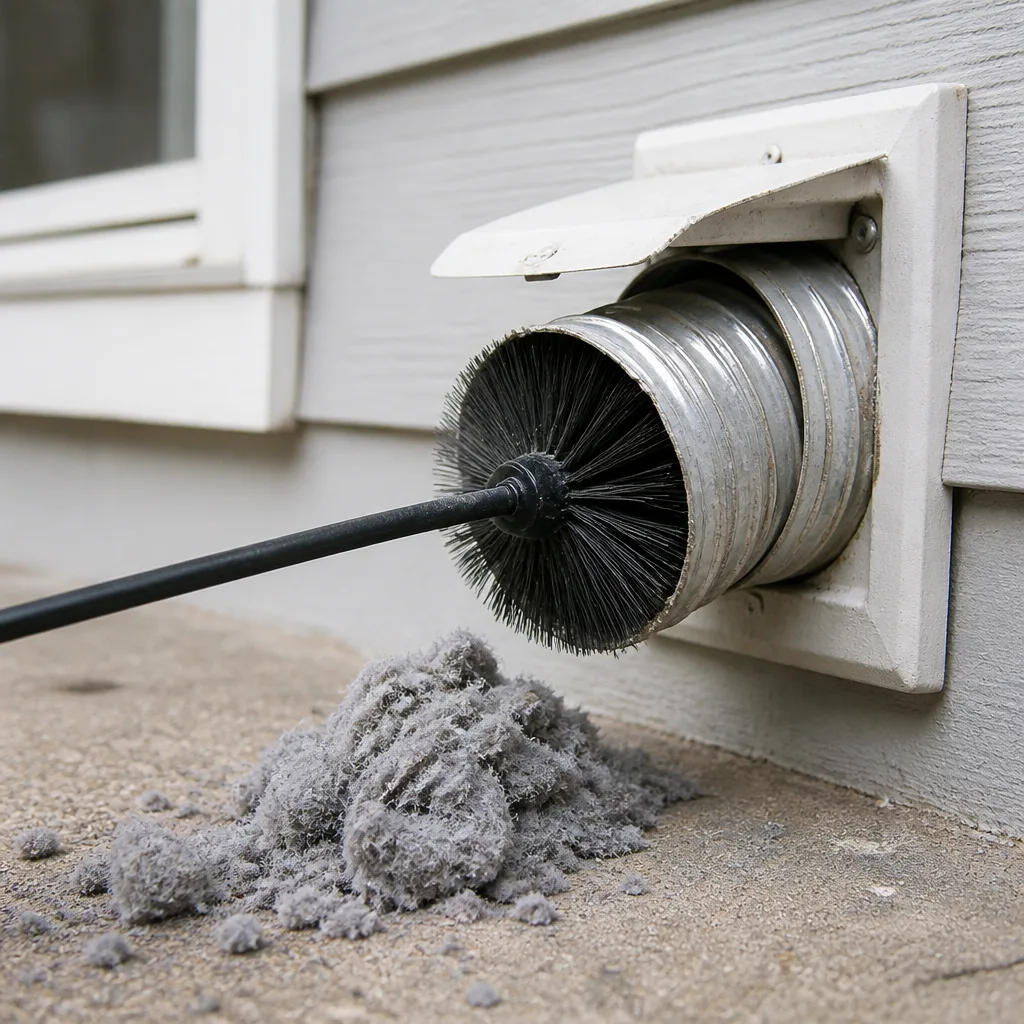 Dryer vent cleaning
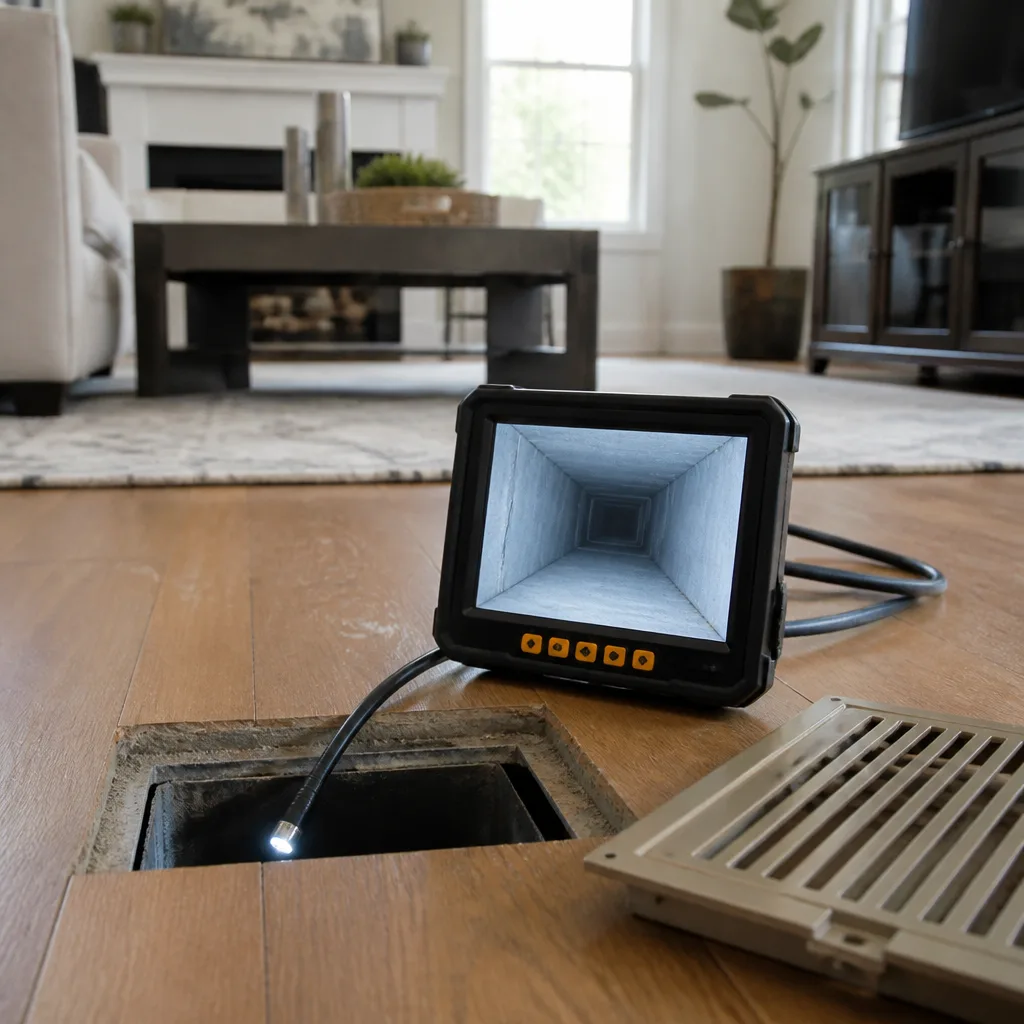 Camera inspection
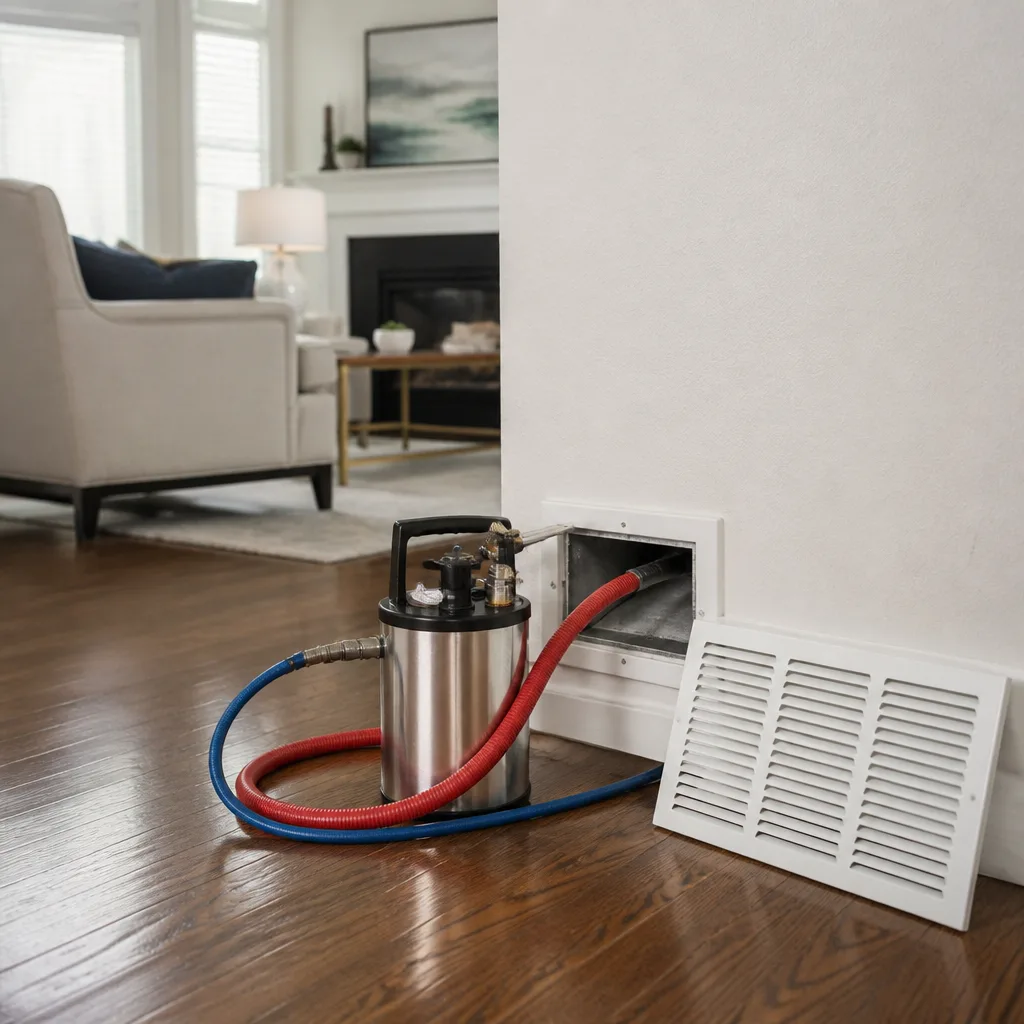 Sanitizing & deodorizing
Whole-system duct and dryer vent check with before-and-after photos - you see exactly what came out of your vents
That "$99 whole-house special" is a bait ad - the real number appears once they are in your hallway, or the "clean" is a shop-vac at the register. We photograph the inside of your ducts before and after instead.
Air Duct Cleaning Permits, Codes & Inspections in Kingsbridge, NY: What You Need to Know
Here’s the part most people don’t expect: the cleaning itself is almost never the regulated step. You don’t pull a permit to vacuum out a duct system. But the moment a technician finds disconnected ductwork, an unsealed flue on a combustion appliance, or mold growing in a return air plenum, the job changes. It stops being maintenance and starts being a code compliance question. In New York that shift matters most for landlords, who carry obligations under the Housing Maintenance Code that a homeowner never thinks about. This guide maps where the lines actually fall in Kingsbridge: what needs a permit, what doesn’t, which inspections can surface duct problems you didn’t know you had, and why the word “sealing” means two different things depending on who’s asking.
Quick Answer
Air duct cleaning in Kingsbridge does not require a permit. Duct repair or replacement that crosses into “alteration” territory under the NYC Mechanical Code generally does require a licensed contractor and a permit, and confirmed mold or contamination in a rental unit’s duct system can trigger landlord obligations under the NYC Housing Maintenance Code. Sanitizing work that overlaps with mold remediation should be documented so it holds up during a future inspection. When in doubt, ask the NYC Department of Buildings before work starts, not after.
Styles & brands we work with
- Whole-home duct cleaning
- Dryer vent cleaning
- Camera inspection
- Sanitizing & deodorizing
Table of Contents
- Does air duct cleaning need a permit in Kingsbridge?
- When duct repair becomes an “alteration” under the NYC Mechanical Code
- Landlord obligations when mold turns up in a rental duct system
- Sanitizing, mold remediation, and NYC DEP documentation
- How other inspections surface duct deficiencies
- Duct sealing: energy code compliance vs. a standalone service
- A step-by-step compliance checklist for Kingsbridge property owners
- What records to keep after the work is done
Does air duct cleaning need a permit in Kingsbridge?
No. Routine air duct cleaning does not require a permit in Kingsbridge or anywhere else in New York City. Cleaning is maintenance: removing accumulated dust, debris, and buildup from a duct system that’s already installed and functioning. The Department of Buildings doesn’t issue permits for maintenance, and no inspector signs off on a cleaning job.
What does get regulated is the work that surrounds cleaning. Three categories come up most often:
- Structural repair or replacement. Cutting into ductwork, replacing a run, or reconfiguring how a system moves air can cross into alteration work that needs a permit and a licensed contractor.
- Combustion appliance connections. Flues and venting tied to boilers, furnaces, and water heaters fall under mechanical code rules. A disconnected or improperly sealed flue isn’t a cleaning issue; it’s a safety and code issue.
- Mold and contamination. Not a permit matter in most cases, but a documentation and landlord-obligation matter that we’ll get to below.
This distinction is why an inspection-first process matters so much. When we run an air duct cleaning job, the camera goes in before the equipment does. If we find a disconnected joint or a flue that’s come loose, you hear about it before we start cleaning around a problem that needs a different kind of fix.
One practical note for Kingsbridge homeowners in the older multifamily buildings around Broadway and the residential blocks off Kingsbridge Road: duct systems in these buildings have often been modified more than once over the years. What looks like a straightforward cleaning sometimes reveals a previous repair that was never documented. Knowing that going in saves a lot of surprise later.
When duct repair becomes an “alteration” under the NYC Mechanical Code
The NYC Mechanical Code governs how duct systems are installed, sealed, supported, and connected. The dividing line you need to understand is between maintenance and alteration. Maintenance keeps a system working as designed. Alteration changes the system. Alteration work generally requires a licensed contractor and a filed permit.
In practice, here’s how we draw that line when we’re looking at a duct system:
- Cleaning and sanitizing. Maintenance. No permit.
- Re-sealing existing joints and seams. Usually maintenance, provided the system’s configuration doesn’t change.
- Replacing a section of flexible or rigid duct with like-for-like material. Often maintenance, but confirm with the Department of Buildings if the scope is more than a small patch.
- Rerouting a duct run, adding a branch, or changing duct sizing. This is alteration territory. Permit and licensed contractor.
- Replacing or reconfiguring a flue connection on a combustion appliance. Mechanical code work. Licensed contractor, and in most cases a permit.
Where people get into trouble is at step three. A small patch is one thing. A patch that quietly changes how the system moves air is something else, and it can come back to bite you during a future inspection or at the point of sale. We’d rather flag it and let you make an informed call than seal over a question mark.
For landlords in Kingsbridge, there’s a second layer: work on a rental property that touches mechanical systems may also need to be reflected in building records. If you manage property here and you’re unsure whether a repair crosses the line, a quick call to the Department of Buildings before the work starts is cheaper than correcting it afterward.
This is also where our HVAC cleaning scope matters. We clean the whole system, not just the visible duct runs, which means we see the air handler, the connections, and the components that a vent-only cleaning would miss. If something in that system needs a licensed repair, you’ll know before it becomes someone else’s finding.
Landlord obligations when mold turns up in a rental duct system
If a duct inspection in a Kingsbridge rental property confirms mold or significant contamination, the landlord has obligations under the NYC Housing Maintenance Code. The short version: rental housing must be maintained in a condition fit for human habitation, and confirmed mold or contamination in the ventilation system is a condition that has to be addressed, not deferred.
What that looks like in practice:
- Address the condition promptly. Once contamination is confirmed, the obligation to correct it starts. Waiting to see whether it gets worse is not a defense.
- Use a documented process. The remediation should follow a defined scope with before-and-after evidence, not a verbal “we cleaned it.”
- Keep the records. Inspection findings, the scope of work, the products used, and the after-condition all belong in the property file. If a tenant raises the issue later, or if the building comes up for inspection, that file is your answer.
- Watch the return air side. A return air plenum is a common collection point for contamination because air passes through it constantly. Mold found there is a system condition, not a cosmetic one.
This is where the equipment we bring earns its keep. Abatement Technologies air filtration and containment equipment lets us work in a contamination-sensitive environment without spreading material through the rest of the building, which matters in a multifamily property where tenants are living on the other side of the wall. Guardsman-brand products handle the sanitizing side. Neither is a substitute for a properly scoped remediation, but both are what a documented, defensible process looks like on the ground.
If you manage property in Kingsbridge and you’re not sure whether a finding rises to the level of a Housing Maintenance Code obligation, get it inspected and documented first. The record itself is useful even before any work is done.
Sanitizing, mold remediation, and NYC DEP documentation
Duct sanitizing and mold remediation overlap with NYC Department of Environmental Protection regulations in ways that aren’t always obvious to property owners. The DEP regulates air quality and a range of environmental conditions in the city, and the practical takeaway for a duct job is this: when you’re treating a system for contamination, the work should be documented in a way that stands up to scrutiny later.
What good documentation includes:
- Pre-work findings. What was found, where, and how it was identified. Camera footage and photos of the actual duct interior are the strongest record.
- Scope of treatment. What products were applied, in what areas, and at what stage of the process.
- Post-work condition. Before-and-after photos of the same locations, not just a general shot of a clean register.
- Any items referred out. If the inspection found something outside the cleaning scope, like a mechanical repair, note it. A written referral is proof you flagged it.
A word on ventilation during treatment: if the work requires any handling of combustion appliance venting or mechanical components, that’s licensed contractor territory. We don’t improvise around flues, and neither should anyone else.
We use professional-grade equipment because the documentation is only as good as the inspection behind it. A Rotobrush or Nikro system with camera capability lets us show you what’s inside the duct before and after, which is the difference between a claim and evidence. That same evidence is what you hand to a tenant, an inspector, or a buyer’s attorney if the question ever comes up.
The overlap between sanitizing and DEP regulation is a good reason to treat any mold finding in a duct system as more than a housekeeping matter. Get it inspected, get it documented, and get the documentation in writing.
How other inspections surface duct deficiencies
Duct problems frequently get discovered during inspections that have nothing to do with ducts. A boiler replacement, a renovation permit, a routine building inspection: any of these can turn up duct deficiencies that have been sitting there quietly for years. In Kingsbridge, where a lot of the housing stock is older and systems have been modified over time, this is common.
The most frequent triggers:
- Boiler or furnace replacement. An inspector looking at a new boiler will look at the venting. If the flue connection runs near or through ductwork and something isn’t right, it gets flagged.
- Renovation permits. A permitted renovation that touches mechanical systems can pull the inspection scope into adjacent duct runs.
- Routine building inspections. In multifamily buildings, a broader inspection can surface ventilation conditions that weren’t the original reason for the visit.
- Point-of-sale and pre-purchase inspections. A buyer’s inspector who finds disconnected or damaged ductwork can turn a sale into a negotiation about mechanical repairs.
When an inspection surfaces a duct deficiency, the correction usually falls into one of two buckets. If it’s a cleaning and condition issue, it’s maintenance. If it’s a structural or mechanical defect, it may need a licensed contractor and a permit. Knowing which bucket you’re in before you start calling people saves time and money.
This is one of the reasons we recommend a documented inspection before any cleaning job. If we find a deficiency during our walk-through, you get it in writing. That record protects you whether the finding needs a cleaning, a repair, or a call to a licensed contractor.
Duct sealing: energy code compliance vs. a standalone service
Here’s a distinction that causes real confusion during inspections. “Duct sealing” means two different things depending on context, and mixing them up creates problems down the line.
The first meaning is NYC energy code compliance. The energy code has requirements around duct sealing and insulation for systems in certain applications, and inspection of that work is tied to the energy code scope. When a contractor seals ducts as part of a permitted job, that sealing may need to meet the energy code standard and may be inspected accordingly.
The second meaning is a standalone service. When we seal ducts as part of a duct repair and sealing job, we’re closing gaps, joints, and seams so the system moves air where it’s supposed to instead of leaking it into a basement or a wall cavity. That’s a performance and efficiency improvement, and it’s valuable on its own. It is not automatically the same thing as an energy-code-compliant sealing scope on a permitted project.
Why the confusion matters:
- If you’re doing a permitted project and the scope includes duct sealing, the sealing should meet the applicable energy code requirement and be documented as such. A standalone sealing job done without that context may not satisfy the inspection.
- If you’re just sealing for performance, you don’t need to meet the energy code standard, but you do want the work done properly with the right materials. A poorly applied seal can fail and leave you back where you started.
- If you’re a landlord or property manager, know which kind of sealing you’re paying for and get it in the scope in writing. During a future inspection, the difference between “sealed” and “sealed to code” can be the difference between a closed file and a correction order.
Our duct repair and sealing work falls in the second category: closing the loop so cleaned ducts are also structurally sound and not leaking air you paid to condition. If the project you’re on needs the first category, we’ll tell you that up front so you can get the right contractor and the right paperwork.
A step-by-step compliance checklist for Kingsbridge property owners
This is the sequence we walk property owners through when a duct job might have a compliance dimension. It applies to homeowners and landlords alike, though landlords have more steps to document.
- Start with an inspection, not a cleaning. Camera the system before any work begins. Find out what’s actually in there: debris, disconnected joints, mold, or nothing unusual.
- Sort findings into three buckets. Maintenance (cleaning, sanitizing), repair (sealing, patching, small replacements), and alteration (rerouting, adding branches, changing sizing). The bucket determines whether a permit enters the picture.
- Confirm the permit question before work starts. If any part of the scope might be alteration, call the NYC Department of Buildings and ask. Get the answer before the contractor shows up, not after.
- Get the scope in writing. Which ducts, which products, which stages. For landlords, this is the record that answers the Housing Maintenance Code question later.
- Document the before and after. Photos of the same locations, plus camera footage if the system allows it.
- Separate the energy code sealing question. If the duct sealing is part of a permitted project, make sure the scope states that it meets the applicable energy code requirement. If it’s a standalone performance job, note that in the scope.
- Keep the file. Inspection findings, scope, products, before-and-after photos, and any referrals out. This is the file that carries you through a future inspection, a tenant question, or a sale.
Whether you’re on a residential block in Kingsbridge or managing a multifamily building, running this list before you pick up the phone makes the conversation with any contractor, inspector, or attorney far more productive. It’s also how you tell a thorough operator from one who wants to start the equipment before asking any questions.
If the inspection points toward a cleaning and not a repair, that’s where our dryer vent cleaning scope often comes up alongside the duct work, since both systems move air and lint through the building and both benefit from a documented condition check.
What records to keep after the work is done
The paperwork is the part that protects you later, and it’s the part that gets thrown away most often. Here’s what belongs in the property file after a duct job in Kingsbridge:
- Pre-work inspection findings. Camera footage, photos, and a written description of what was found.
- The scope of work. Which ducts, what was done, and what was intentionally left alone.
- Product documentation. What sanitizing and treatment products were used, for the record. Guardsman-brand products are what we work with on the sanitizing side.
- Before-and-after photos. Same location, same angle, so the comparison is meaningful.
- Any written referrals. If something was flagged for a licensed contractor, the referral itself is proof you identified it and acted.
- Permit documentation. If a permit was pulled for any part of the work, keep the permit number and the inspection sign-off with the job file.
For landlords, this file is also the answer to the Housing Maintenance Code question if it ever comes up. For homeowners, it’s what you hand a buyer’s inspector when they ask about the ducts. Either way, it’s a better use of a folder than a receipt.
Common Mistakes to Avoid
- Treating the cleaning quote as the whole scope. A cleaning quote covers cleaning. If the inspection turns up a repair, that’s a different scope, and the price will reflect it. Get both in writing before work starts so there’s no surprise on the invoice.
- Assuming “no permit needed” covers the repair too. The cleaning doesn’t need a permit. The alteration might. Don’t let the first fact bleed into the second.
- Skipping the inspection to save time. The camera goes in first, not last. Cleaning around an unidentified problem means you’ll be doing it again, or finding it during a worse moment.
- For landlords, waiting for confirmation to sort itself out. Once mold or contamination is confirmed in a rental duct system in Kingsbridge, the Housing Maintenance Code obligation to address it is already running. Get it scoped and documented.
- Confusing standalone duct sealing with energy code compliance. If you’re on a permitted project, the sealing scope needs to meet the applicable energy code requirement. If you’re not, you don’t need to. Know which one you’re paying for.
- Throwing away the documentation. The photos, findings, and scope of work are the file that answers questions later. Keep them with the property records.
- Using generic consumer equipment on a whole-system job. A shop vac and a rented blower won’t produce the extraction or the before-and-after evidence a professional-grade system will. On a problem that’s already a compliance question, that gap matters.
See the difference
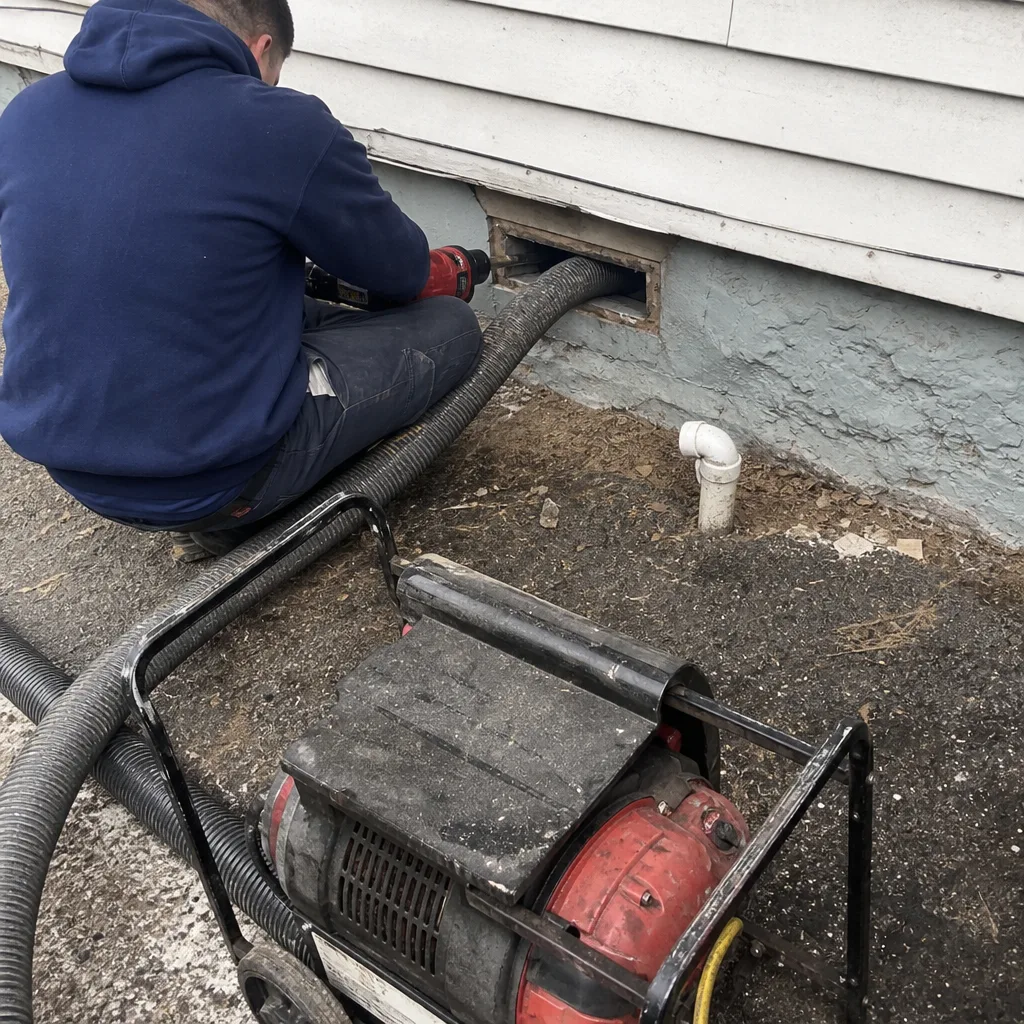 Before
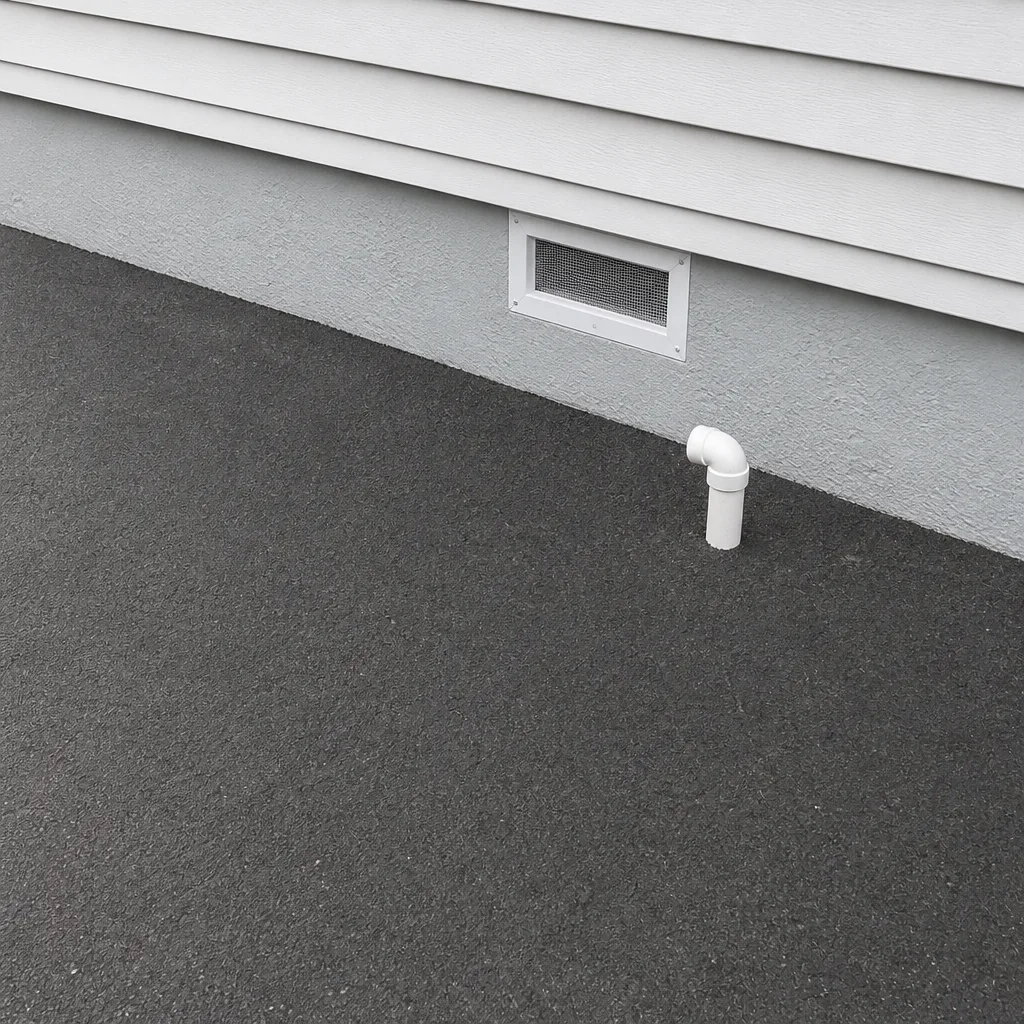 After
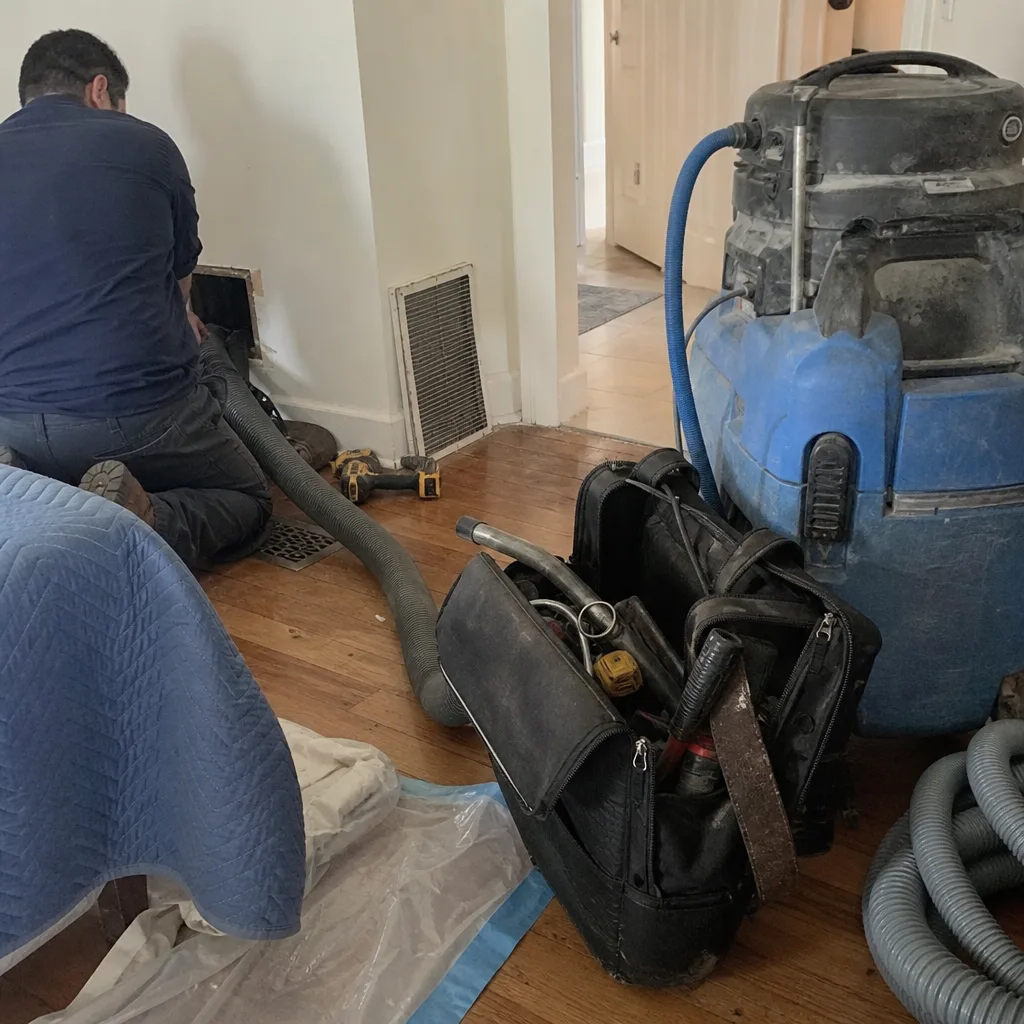 Before
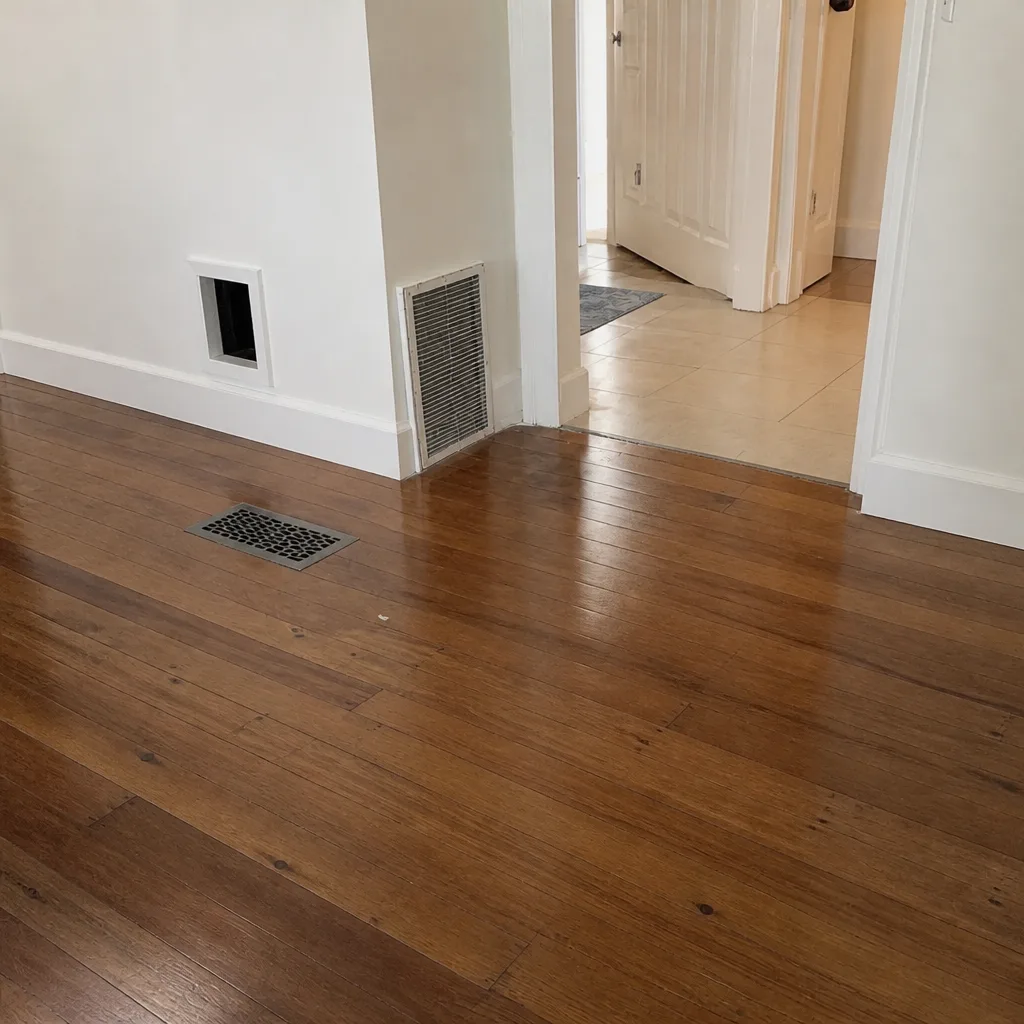 After
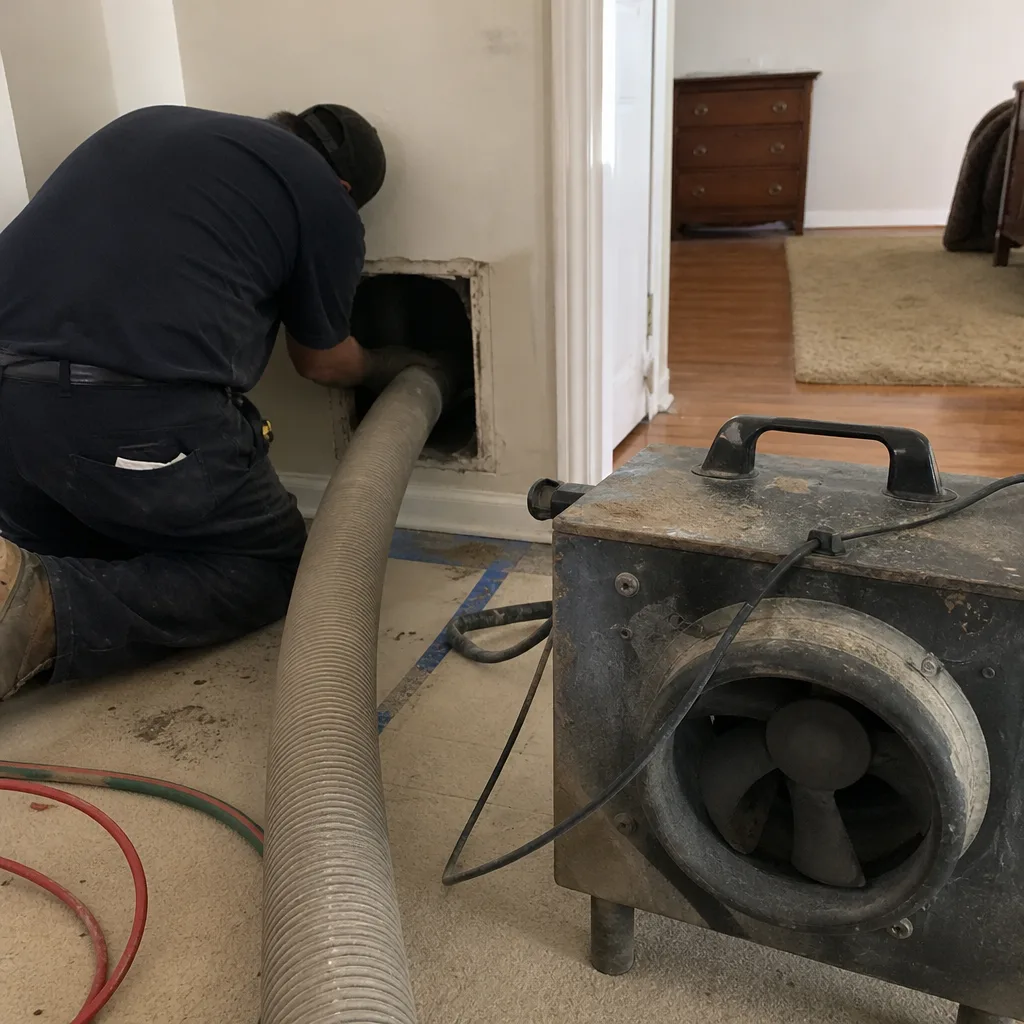 Before
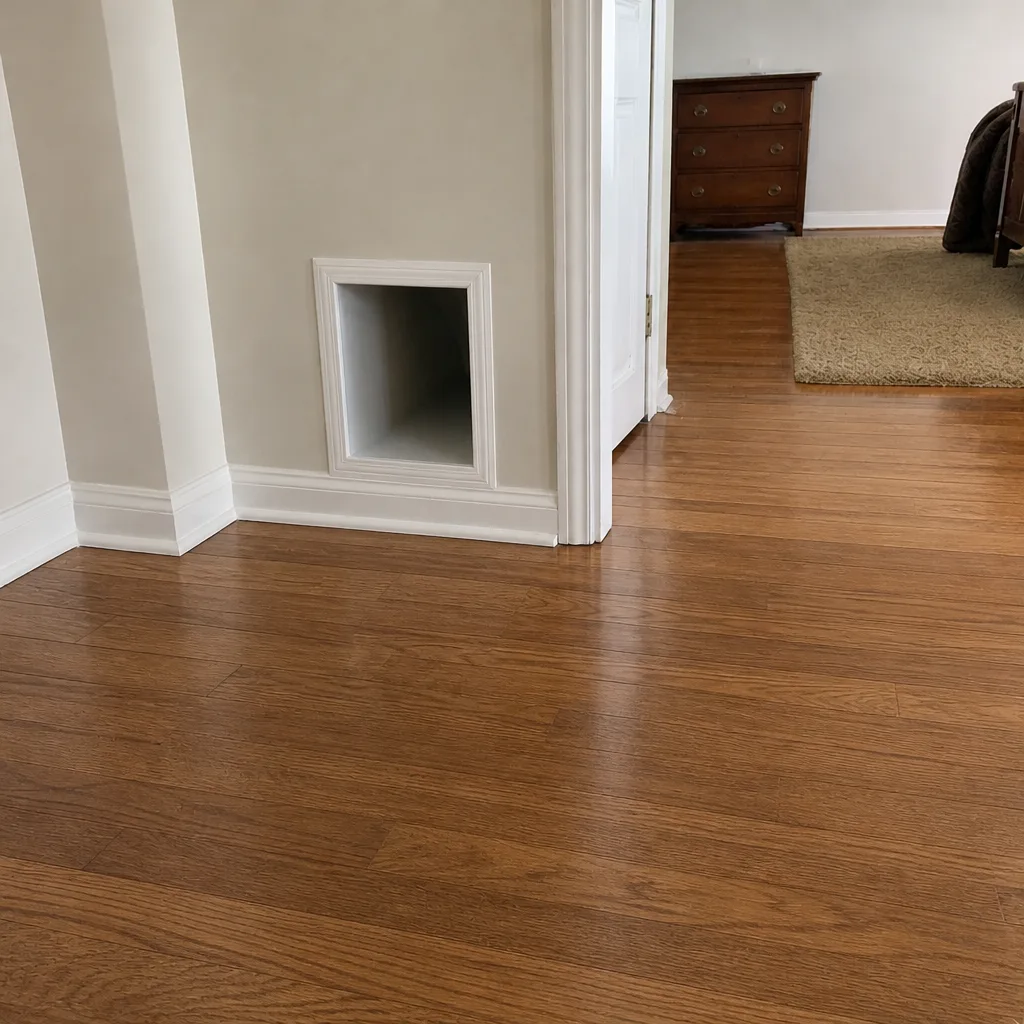 After
When to Call a Professional
Call a professional when the inspection question is bigger than a cleaning. That means: disconnected or damaged ductwork you can see, mold in a return air plenum, a flue connection that’s come loose, or any finding that might be an alteration rather than maintenance. It also means any rental property where mold or contamination is confirmed, because the Housing Maintenance Code obligations start the moment the condition is known. And it means any duct job that’s happening alongside a permitted project, so the sealing scope is handled by someone who understands the energy code question. If you’re unsure which category you’re in, an inspection settles it. Air Duct Cleaning Kingsbridge offers free estimates in Kingsbridge. Call (855) 658-4077 to set up an inspection or walk through a scope. We answer 24/7, with fast dispatch from 7am to 7pm, Sunday through Friday.
Frequently Asked Questions
No. Air duct cleaning in Kingsbridge is maintenance work and does not require a permit. Duct repair or replacement that crosses into alteration under the NYC Mechanical Code generally does require a licensed contractor and a permit, so the answer depends on the scope of the work, not the cleaning itself. Call (855) 658-4077 for a free estimate to scope the job.
Cleaning is maintenance and keeps the system working as designed; repair that changes the system’s configuration crosses into alteration. Rerouting a duct run, adding a branch, or changing duct sizing are the clearest examples of alteration. Small patches of like-for-like material are usually maintenance, but confirm with the Department of Buildings if the scope grows. Call (855) 658-4077 to have the scope reviewed before work starts.
Address it and document it. The NYC Housing Maintenance Code requires rental housing to be maintained in a condition fit for human habitation, and confirmed mold or contamination in the duct system is a condition you have to correct. Get it inspected, get the scope in writing, and keep the before-and-after record. Call (855) 658-4077 for a free estimate and a documented inspection.
No. Duct sealing as a standalone service closes gaps and joints so the system performs better. Duct sealing as part of a permitted project may need to meet the applicable NYC energy code requirement and be inspected accordingly. On a permitted job, make sure the scope states which one applies. Call (855) 658-4077 if you’re not sure which category your project falls into.
Yes, and it happens often in Kingsbridge. A boiler replacement, a renovation permit, or a routine building inspection can pull the inspection scope into adjacent ductwork and surface deficiencies that have been sitting there. When that happens, the correction is either maintenance, repair, or alteration, and which one determines whether a permit enters the picture. Call (855) 658-4077 to get an inspection on record.
Keep the pre-work inspection findings, the written scope of work, product documentation, before-and-after photos of the same locations, any written referrals for licensed contractor work, and any permit number and inspection sign-off if a permit was pulled. For landlords, that file is also the answer to a Housing Maintenance Code question later. Call (855) 658-4077 for a free estimate and a documented process.
The Bottom Line
Cleaning doesn’t need a permit. Repair and alteration might. Landlord obligations under the Housing Maintenance Code start when contamination is confirmed, and the energy code meaning of duct sealing isn’t the same as a standalone sealing job. Those three lines cover most of the surprises in Kingsbridge. The rest comes down to process: an inspection before work starts, a written scope, before-and-after documentation, and a contractor who tells you which bucket each finding falls into. Professional-grade equipment from Rotobrush and Nikro makes the inspection and extraction good enough to stand behind. The paperwork makes it last.
Written by the team at Air Duct Cleaning Kingsbridge.