
Last updated November 22, 2026
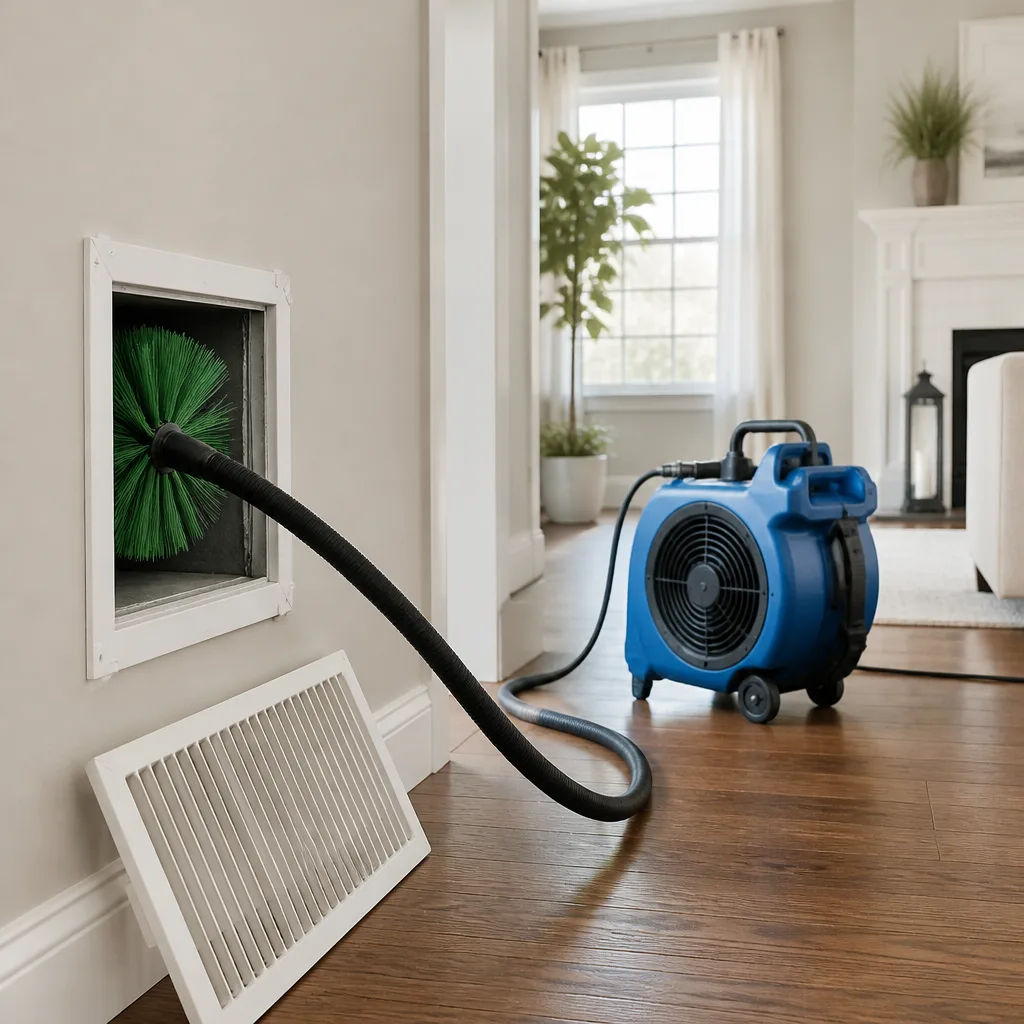 Whole-home duct cleaning
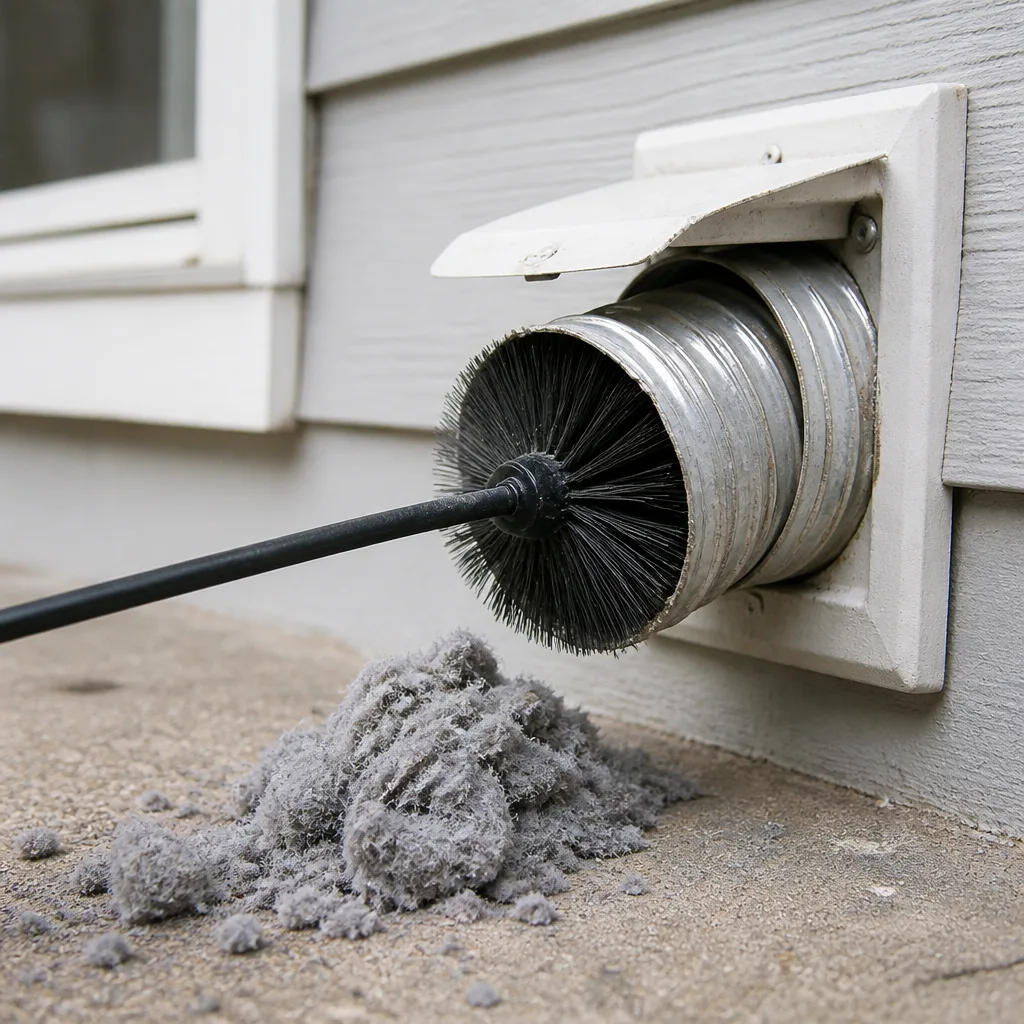 Dryer vent cleaning
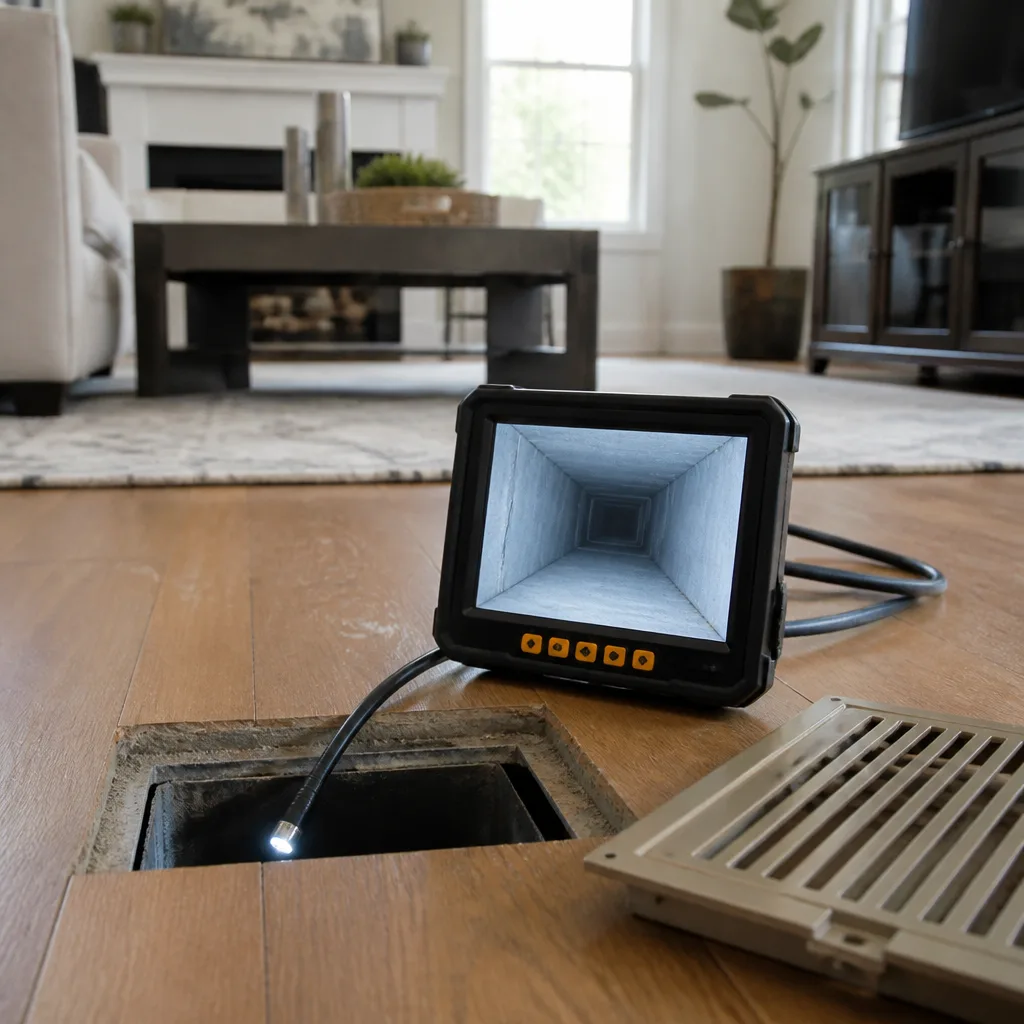 Camera inspection
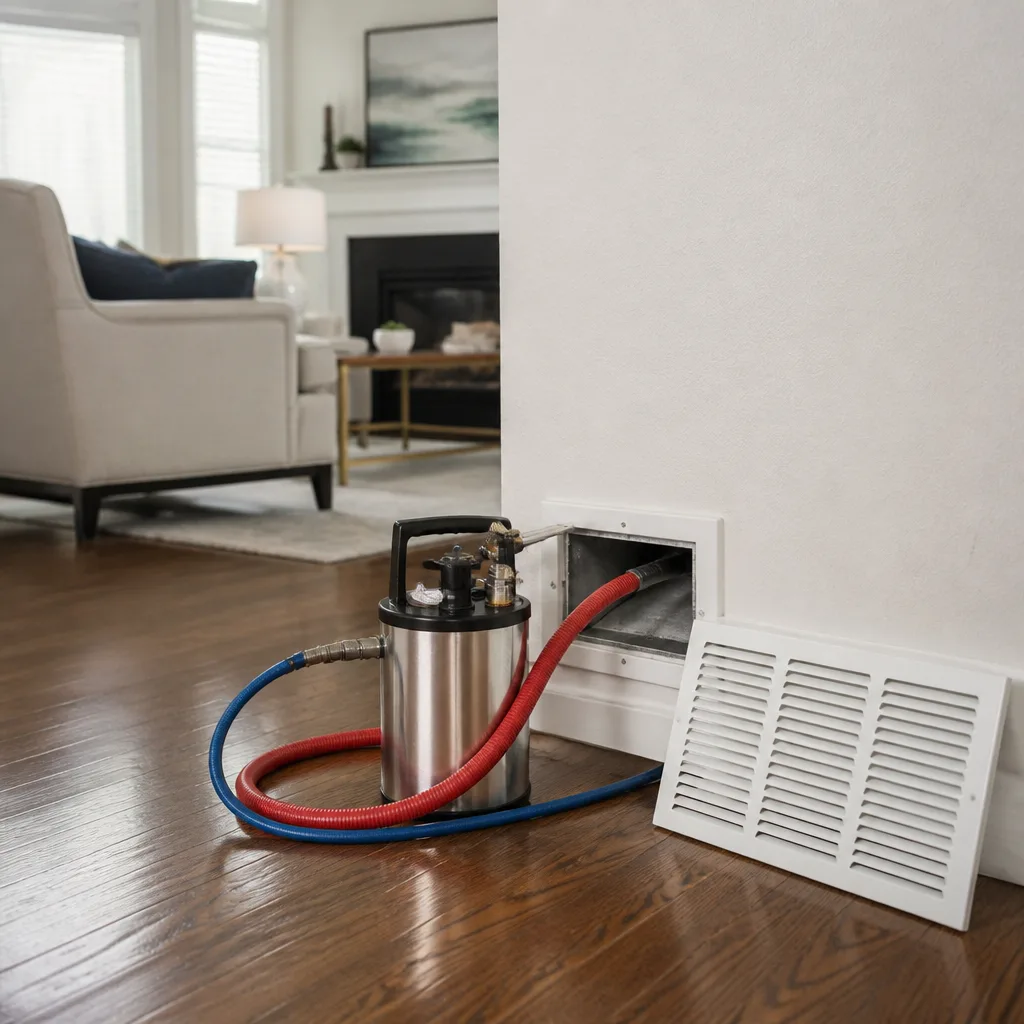 Sanitizing & deodorizing
Whole-system duct and dryer vent check with before-and-after photos - you see exactly what came out of your vents
That "$99 whole-house special" is a bait ad - the real number appears once they are in your hallway, or the "clean" is a shop-vac at the register. We photograph the inside of your ducts before and after instead.
Air Duct Cleaning Maintenance Checklist for Kingsbridge Homeowners
Most homeowners wait until they can see dust at the registers. By that point, the duct lining has already been shedding debris into conditioned air for months, and the blower has been working harder than it should. The system doesn’t announce its decline. It just slowly loses efficiency while the indoor air picks up what the ductwork drops. Here in Kingsbridge, where pre-war apartment conversions and postwar houses sit close to high-traffic roads, the timetable for that decline runs faster than the generic advice suggests. This guide gives you a real maintenance rhythm: what to check monthly, what to do quarterly, what requires a technician, and what to write down so the work actually protects your home’s value.
Quick Answer
A workable air duct maintenance checklist in Kingsbridge has three layers: homeowner checks you do monthly and quarterly (filters, registers, visible debris, unusual smells), seasonal tasks timed to your HVAC use and to any renovation work, and a professional inspection and cleaning on a schedule that reflects your home’s air quality and duct condition rather than a fixed calendar year. The single most useful habit is keeping a written log of every filter change, cleaning date, and piece of equipment used. That record is what turns maintenance from a chore into documented system history.
Styles & brands we work with
- Whole-home duct cleaning
- Dryer vent cleaning
- Camera inspection
- Sanitizing & deodorizing
Table of Contents
- The Three Layers of a Real Maintenance Rhythm
- Monthly Checks You Can Do Yourself
- Filter Change Intervals for Kingsbridge Air
- How to Inspect Registers Without Opening Anything
- The Post-Renovation Checklist
- What to Log and Why It Matters
- What a Technician Does That You Can’t
- Common Mistakes to Avoid
- When to Call a Professional
The Three Layers of a Real Maintenance Rhythm
Duct maintenance fails when it’s treated as one annual event. A single cleaning once a year, or every few years, misses the degradation happening in between. In our experience, the systems that stay healthy are the ones where the homeowner does light checking, the technician does deep inspection on a schedule, and both write things down.
Here’s how the three layers break down:
- Homeowner layer (monthly and quarterly): filter changes, register spot-checks, watching for new smells, listening for airflow changes. No tools, no disassembly.
- Seasonal layer (twice a year): tied to heating and cooling season, plus any renovation work. This is when filters get extra attention and the system gets a closer look.
- Professional layer (as conditions require): camera inspection, negative air extraction, sanitizing, and sealing. The interval here isn’t a fixed number of months, it depends on what your duct system is doing.
We’ve seen the gap between these layers cause most of the avoidable problems. A homeowner who changes filters on a calendar but never looks at the returns won’t notice rust staining or biofilm forming. A system that gets cleaned every few years but never inspected with a camera can hide a disconnected run or a crushed flex duct for a long time. The layers work together.
Monthly Checks You Can Do Yourself
The monthly layer takes about ten minutes and requires no tools. The point isn’t to fix anything, it’s to notice change. Your eye and nose are surprisingly good at catching the early signs a technician would look for.
- Look at every supply register. Wipe a white cloth or paper towel across the face. A little settled dust is normal; a heavy grey film returning a week after you cleaned it is not.
- Look at the return grilles, especially the large central one. Returns pull in more air than supplies push out, so they collect more debris. Check for dark patches around the edges.
- Smell the air near a running register. A musty or stale note points to moisture or organic buildup in the ductwork. A new chemical smell is worth investigating right away.
- Listen at the return with the system running. A whistling or unusually loud pull can mean a filter is loading up or a damper has shifted.
- Check the filter location. If you can’t remember where yours is, find it now, before the system tells you at the worst time.
For Kingsbridge homes close to busy roads, add one habit to the monthly list: check the return grille nearest the street-facing rooms first. Those rooms see more airborne particulate load, and the returns there load up faster.
Filter Change Intervals for Kingsbridge Air
The standard “change your filter every 90 days” advice undershoots what many Kingsbridge homes actually need. Air quality here varies block by block. Homes on high-traffic corridors, near construction activity, or in older buildings with less controlled envelope sealing tend to load filters faster than the generic figure suggests. That isn’t a reason to guess aggressively in the other direction either, but it is a reason to check the filter itself instead of trusting the calendar.
Use the filter condition as the trigger:
- Hold it up to a light. If you can’t see light through a basic filter, it’s done, regardless of what month it is.
- Look for grey edges. A filter that’s grey along the outer frame is pulling more than it was designed for.
- Feel the surface. A filter that feels matted or fuzzy is loaded up.
The type of filter matters too. Higher-MERV filters capture more particulate but restrict airflow more, and in a system not designed for them, they can strain the blower. If you’re working with a filtration or humidity system integrated into your HVAC, brands like Honeywell and Aprilaire are worth understanding: they’re respected by HVAC professionals because the filtration and humidity control they offer is designed to work with your system’s airflow rather than against it. If your setup includes one, follow its manufacturer’s filter guidance, it may differ from a plain filter.
The safest rule: check monthly, replace when the filter shows it needs it, and don’t assume 90 days is right for your house.
How to Inspect Registers Without Opening Anything
You can learn a lot about a duct system’s health just by looking at the registers. This is the layer that catches problems earlier than a filter change ever will. You’re looking for evidence, not doing repairs.
Here’s what to look for at each supply and return, in order of how much it tells you:
- Rust staining. Brown streaks or discoloration inside the register frame, or on the wall near it, suggest moisture. Moisture is the number one contributor to duct lining degradation.
- Biofilm and dark patches. A dark, slightly gummy substance on the grille or just inside the register opening is a sign of organic growth. This should be looked at by a technician, not scrubbed and forgotten.
- Heavy debris at the base of the boot. Shine a light into the register opening and look at the duct surface just past the grille. A light coat is normal; a visible debris pile or a texture change is not.
- Discoloration differences between rooms. If one register looks markedly dirtier than others in the same house, that run may have an airflow problem or be serving a room with more airborne load.
- New gaps or loose grilles. A grille that’s newly loose or rattling can indicate sealant failure behind it, which is a sealing issue, not just a dusting issue.
Don’t pull the grille off unless you’re comfortable putting it back correctly. What you see from outside tells you whether to call a technician, and that’s the whole purpose of this check. Kingsbridge homes with older ductwork often show staining patterns that look worse than the duct actually is, and a proper camera inspection settles that in a few minutes.
The Post-Renovation Checklist
Renovation dust is different from everyday dust. Drywall sanding, flooring removal, and any demolition push fine particulate into the air, and it can migrate into ductwork fast if the HVAC system is running or if returns are open. Before you run the system after any renovation, work through this sequence.
- Keep the system off during active demolition and sanding. A running blower pulls dust straight into the ducts and recirculates it through the house.
- Seal or tape off returns and supply registers in the work zone with plastic and painter’s tape while work is happening. This is the single highest-value step.
- Change the filter immediately after work stops (or cap it during the work if the system must run).
- Vacuum the work zone with a HEPA vacuum before restarting the system. Not a shop vac, they exhaust fine dust.
- Run the system and watch the filter for a few days. If it loads up fast after renovation, that’s a signal the work generated more particulate than the filter can handle alone.
- Consider a professional inspection. After heavy work involving drywall, demolition, or flooring, a camera inspection and negative air cleaning is the reliable way to know what actually got into the ductwork. Containment equipment, like Abatement Technologies filtration and containment systems, is designed for exactly this: keeping contamination from spreading during the process.
This checklist is where Kingsbridge’s housing mix matters. Older homes being renovated often have ductwork with more surface area, more turns, and more material shedding than the ducts in a newer build. The same post-renovation dust load does more damage in those systems.
What to Log and Why It Matters
A maintenance log isn’t bureaucracy, it’s leverage. It’s the record you hand to a buyer’s inspector when you sell, the documentation you give a landlord or tenant when work is in dispute, and the history an insurer or HVAC contractor wants when a claim or repair question comes up. Most homeowners never keep one, and they’re the ones who can’t answer “when was the last cleaning and what was done?”
Here’s what to write down:
- Date of each filter change and the filter type/MERV rating used.
- Date of each professional cleaning, with the equipment used. If a technician used a Rotobrush or Nikro system, that’s worth noting by name, it’s professional-grade extraction equipment, and the name tells a future buyer or contractor the job was done properly rather than superficially.
- Sanitizer applied (if any) and the product. Products like Guardsman-brand sanitizing treatments are professional-grade, and noting which treatment was applied is part of the record.
- Any duct repair or sealing done, with a photo of before and after. Before-and-after photos of your own ducts are the strongest evidence a cleaning actually happened. Keep them with the log.
- Inspection findings, anything a technician flagged as a watch item (rust, biofilm, a questionable run, airflow concern).
For landlords and property managers, this log is also the record of service that protects you in a tenant dispute or an insurance review. For sellers, it’s a document a buyer can read, which is more persuasive than a verbal “yes, we had that done.”
What a Technician Does That You Can’t
Everything in this checklist so far is done from outside the ductwork. The professional layer is where the system gets actually inspected and cleaned. The difference isn’t just tools, it’s what can be seen and reached.
A proper professional visit brings equipment you can’t replicate at home: a duct camera to see inside the runs, and negative air equipment to create a pressure differential so debris is extracted toward the machine rather than pushed into the house. Professional-grade systems like the Rotobrush and Nikro lines are designed for this, and they’re the difference between a surface pass and real extraction. Containment and filtration equipment like Abatement Technologies adds another layer for work that needs contamination control.
A full visit typically covers:
- Camera inspection of the main trunk and representative runs.
- Negative air setup and a full extract of the duct system.
- Sanitizing where the inspection calls for it.
- Duct Repair & Sealing where disconnected, crushed, or poorly sealed sections are found, “clean ducts, sealed ducts” is the standard, and cleaning around a problem run without sealing it is a temporary fix.
- HVAC cleaning of the components the ducts connect to, since a clean duct system feeding a dirty blower is only half done.
This is also where the whole system connects. If you also have concerns about dryer vent efficiency or HVAC system cleaning, that’s dryer vent cleaning and HVAC cleaning, both part of the same “one call covers it all” approach we take in Kingsbridge. You can read more about our main air duct cleaning service and the broader Air Duct Cleaning Kingsbridge page.
Common Mistakes to Avoid
These are the patterns we see most often, and they’re all avoidable with a little knowledge.
- Trusting the calendar over the filter. Changing a filter at exactly 90 days when it’s been loaded up for weeks lets restricted airflow strain the blower. Check the filter, don’t just count days.
- Vacuuming the register and calling it cleaned. A wiped grille tells you nothing about the duct surface past it. Surface cleaning without extraction leaves the debris in the system.
- Cleaning without sealing. If a section of duct is disconnected or leaking, cleaning removes debris that will just recollect through the gap. Sealing is part of the job, not an upsell.
- Skipping the post-renovation inspection. Drywall dust that migrates into ducts during a remodel can settle and recirculate for months afterward. The renovation checklist isn’t optional for a real maintenance rhythm.
- Assuming a musty smell is the ductwork when it’s moisture. A technician with a camera can find the actual source. Scrubbing the register hides it.
- Not documenting any of it. The most common phone call we get is “when was the last cleaning?” and the honest answer is often “no idea.” A ten-line log fixes that permanently.
- Leaving a high-MERV filter in a system that can’t handle it. Higher is not always better for airflow. If your system wasn’t designed for a restrictive filter, the blower pays the price.
When to Call a Professional
Some of this checklist is do-it-yourself by design. Some of it isn’t. Call a technician when you see rust staining or dark biofilm at a register, when the filter loads up unusually fast, after heavy renovation involving drywall or demolition, when you notice a new musty or stale smell near a running register, when airflow in one room has dropped, or when it’s simply been long enough that you can’t answer “when was the last cleaning?” Those are the moments a camera inspection and professional extraction save you money down the line.
Our technicians have up to 9 years of experience, and we bring professional-grade equipment: Rotobrush and Nikro extraction systems, Abatement Technologies containment and filtration, and Guardsman-brand treatments. We work with one flat price per system, agreed before work starts, and we show you what we find, including before-and-after photos of your own ducts. Air Duct Cleaning Kingsbridge offers free estimates in Kingsbridge, call (855) 658-4077.
See the difference
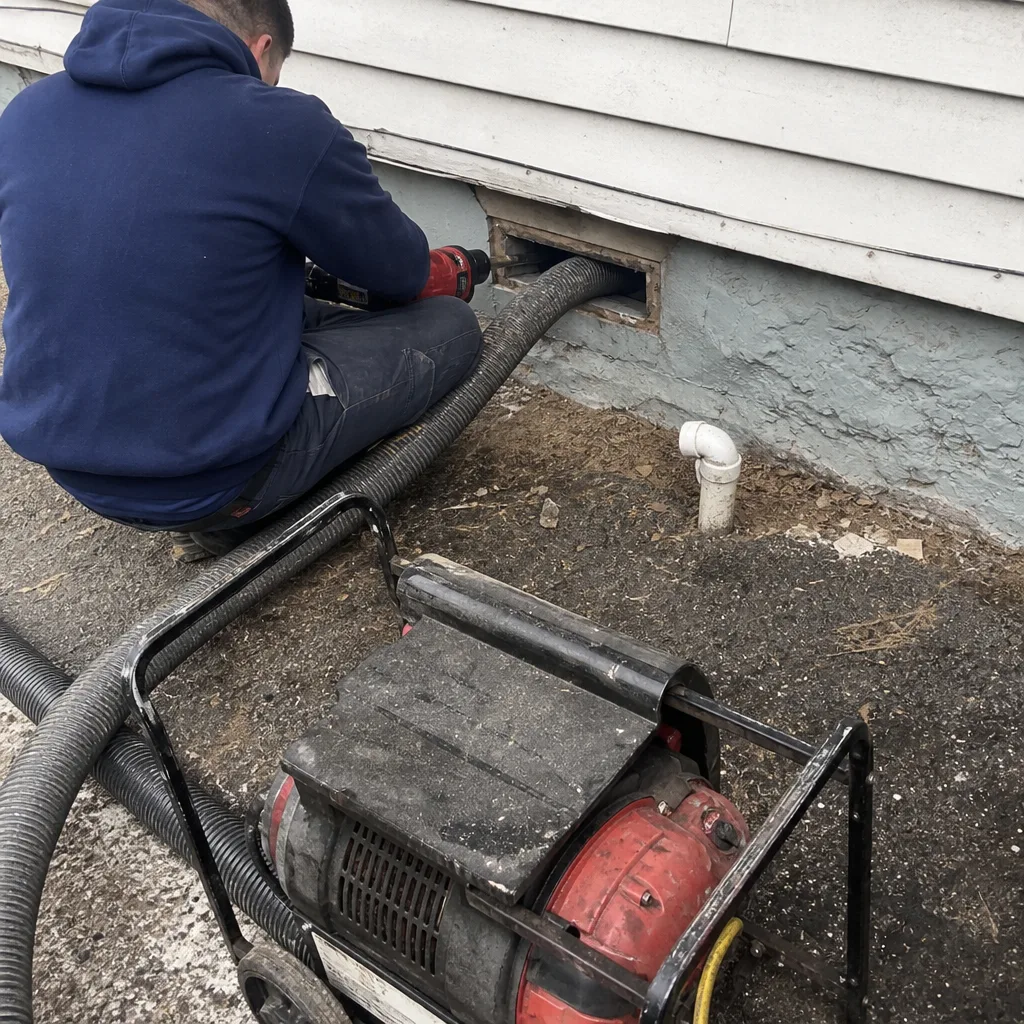 Before
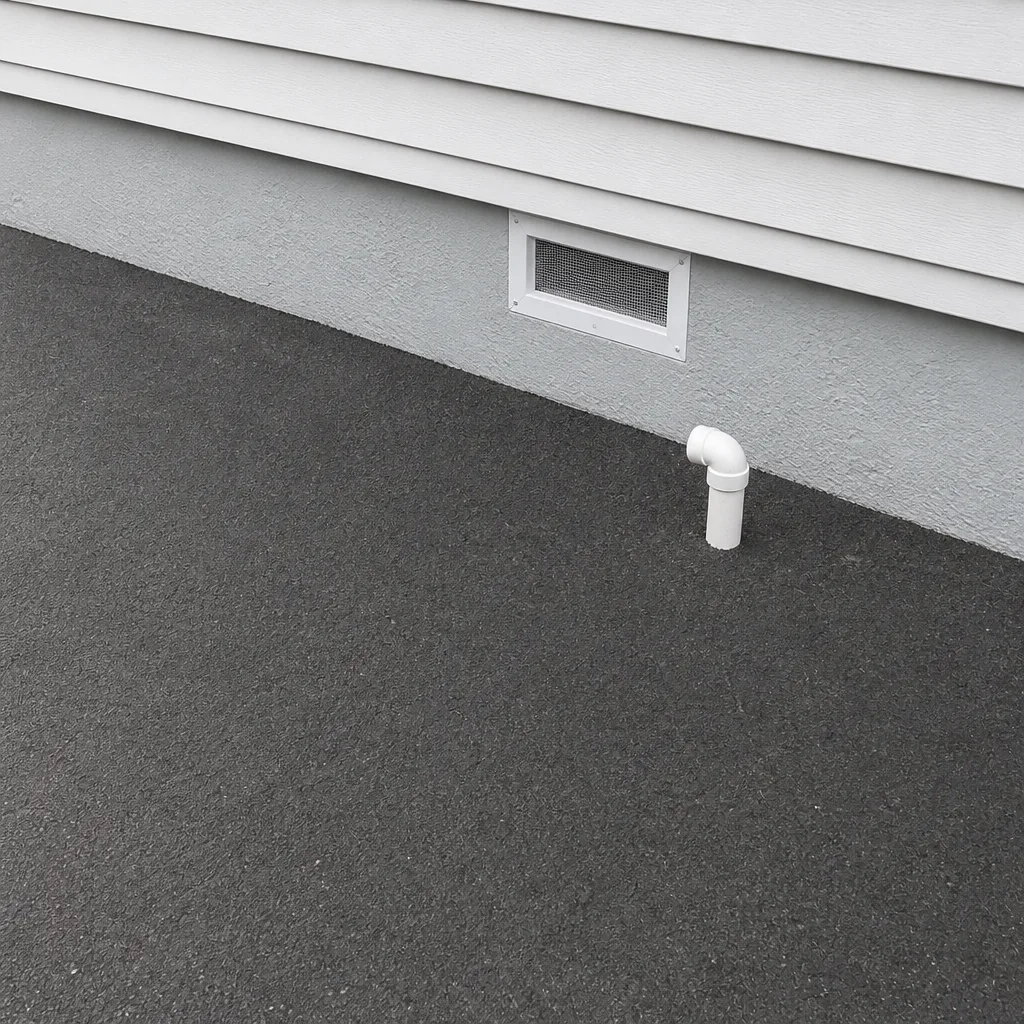 After
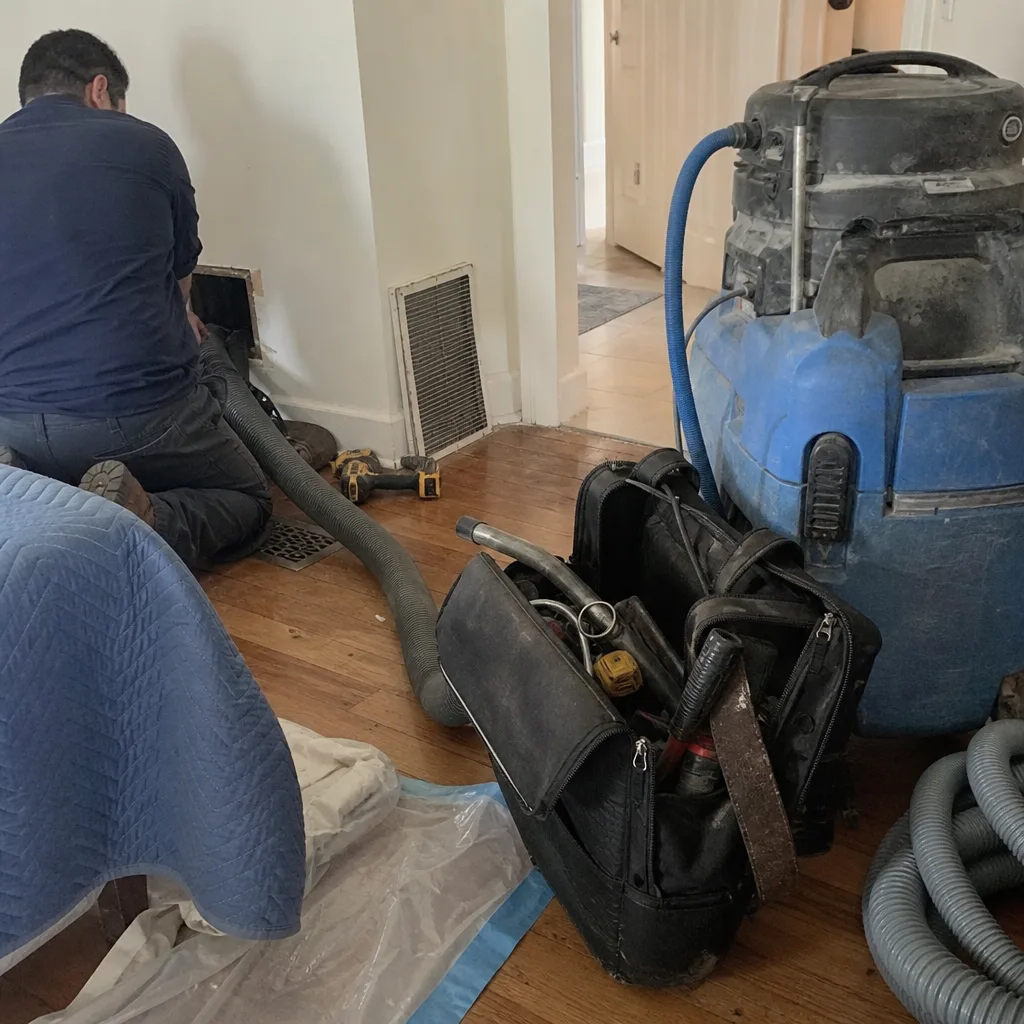 Before
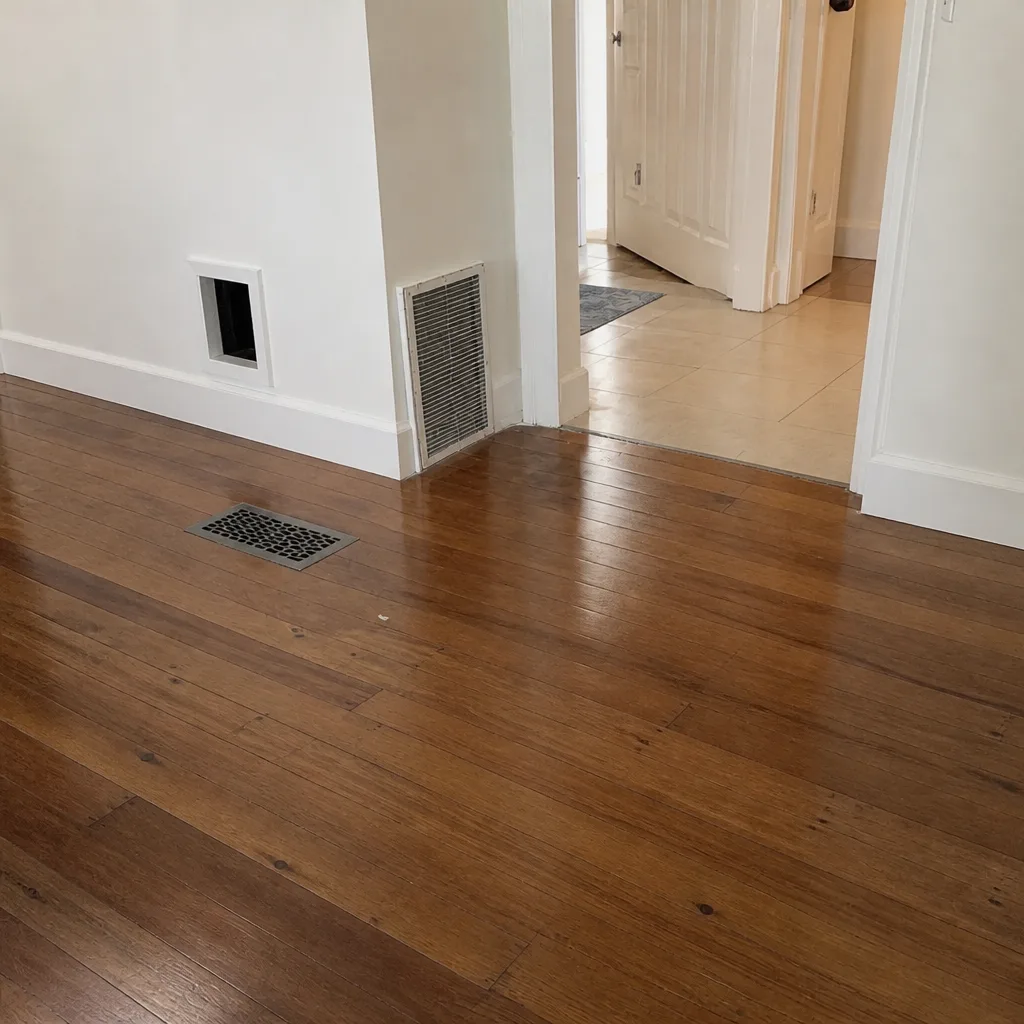 After
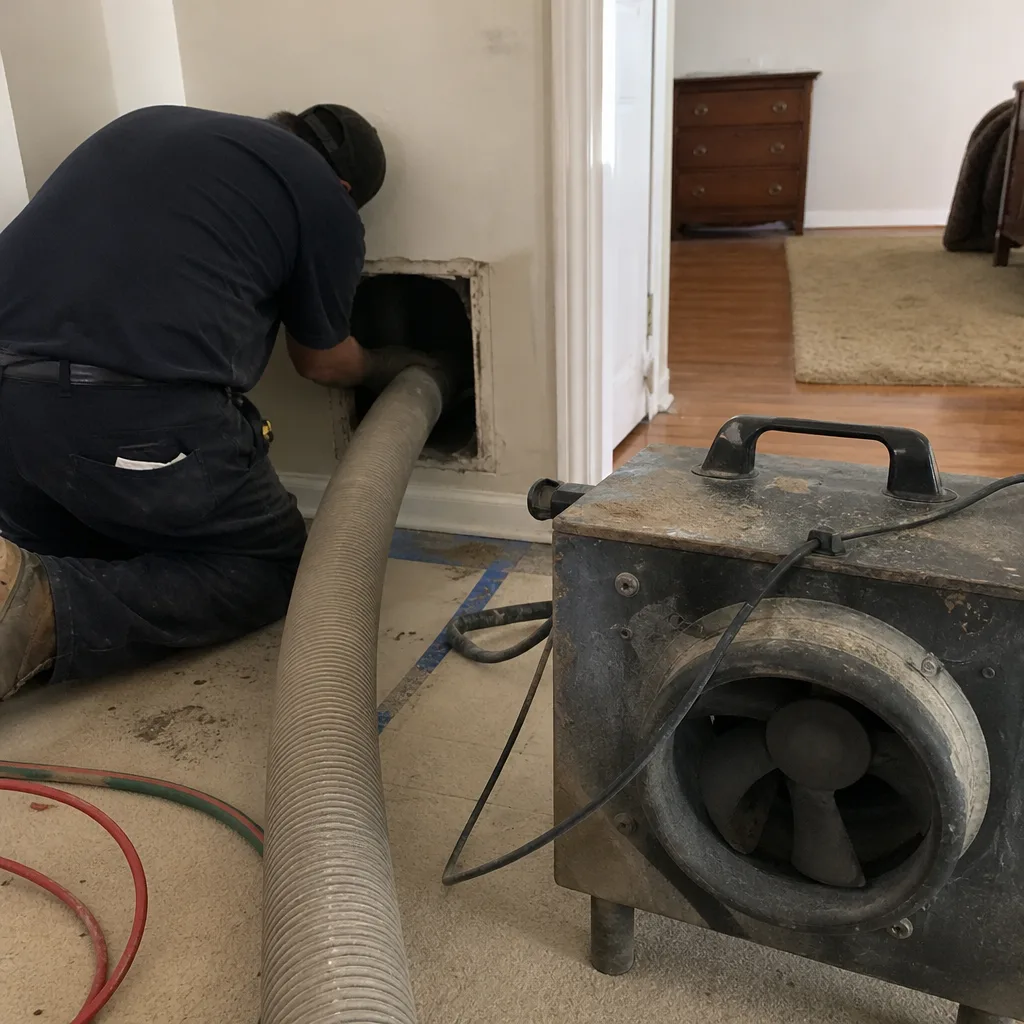 Before
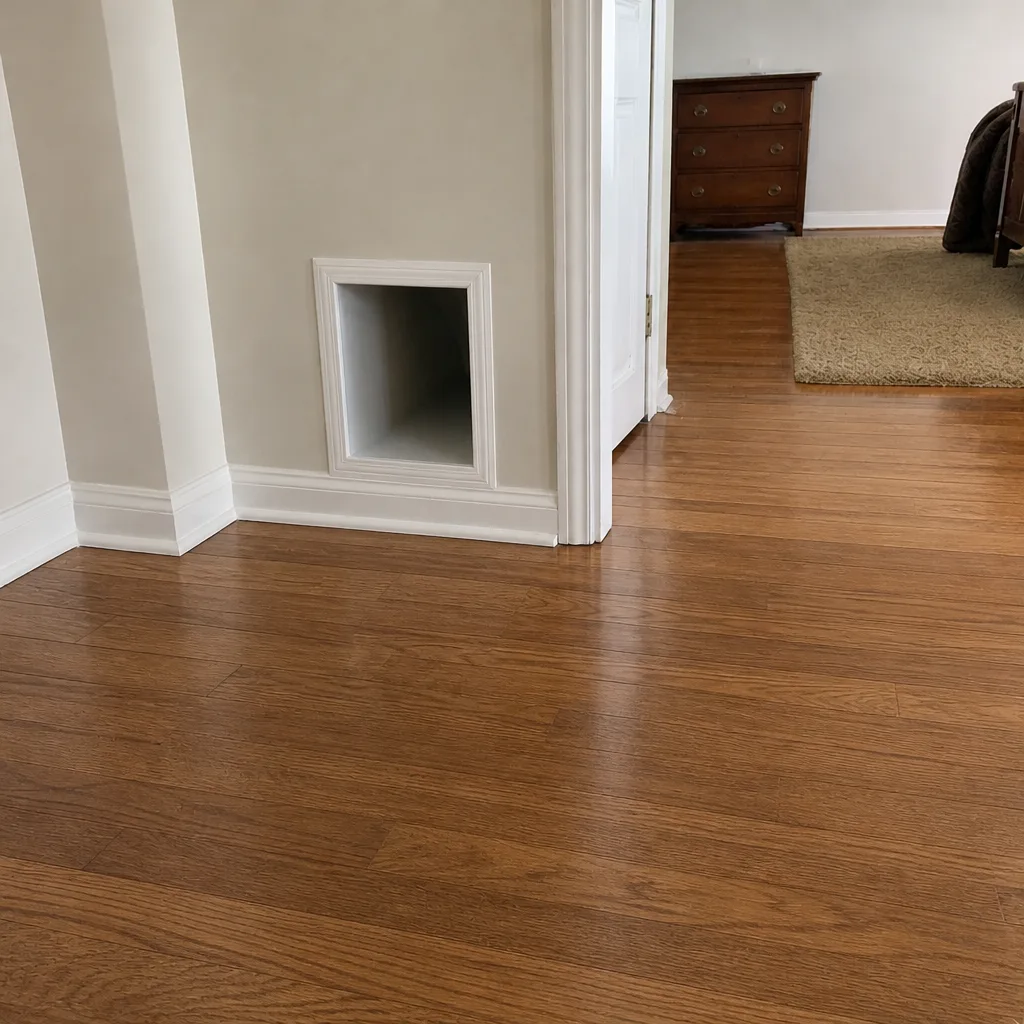 After
Frequently Asked Questions
There’s no fixed number of months that fits every home. The honest answer is that the interval depends on your home’s air quality, duct condition, and whether you’ve had renovation work. For Kingsbridge homes near high-traffic roads or older buildings with less tight envelopes, filters and registers load faster, which means the inspection interval should be shorter. A professional camera inspection is the only reliable way to know what interval your system actually needs.
Cheap quotes usually come from surface-only work: a wiped grille and a quick vacuum with consumer-grade equipment, not a full extraction with negative air pressure and camera inspection. The price difference reflects the equipment and the process. A cheap price on the invoice can turn into a much larger result afterward when debris is left in the system. Call (855) 658-4077 for an exact quote, estimates are free.
Before-and-after photos of your own duct system, and a written record of the equipment used. Professional extraction with a Rotobrush or Nikro system leaves evidence a photographic record can show. Ask for it before work starts, so you know what to expect.
A light grey film that returns slowly over weeks is normal. Heavy film returning within days, dark patches, or a visible debris pile past the grille is not, and those are the signs worth a camera inspection.
If the system ran at all, or if returns were open during the work, yes, it’s worth checking. Drywall and demolition dust migrates into ductwork easily, even with the system off, because the duct system acts as a pathway. Change the filter, and consider an inspection if the work was substantial, and call (855) 658-4077 if you’re unsure.
Sealing is worth checking regardless. Leaking or disconnected sections waste energy and reintroduce debris, and cleaning without sealing means the cleaned surface will recontaminate. The camera inspection that accompanies cleaning is the right time to find out. Fast dispatch from 7am to 7pm lets us get there without delay.
The Bottom Line
A maintenance checklist is about diagnostics, not chores. The monthly filter and register checks catch change early. The seasonal and post-renovation steps prevent the worst dust loads from entering the system. The professional inspection and cleaning layer is where real extraction and sealing happen, with equipment a homeowner can’t access. And the log ties it all together, protecting your home’s value and documenting the work for landlords, tenants, buyers, and insurers. Kingsbridge homes benefit from all three layers, especially near busy roads and in older buildings. If you’d like to start the professional layer with a real inspection, call (855) 658-4077 for a free estimate. We answer 24/7. Fast dispatch from 7am to 7pm, Sunday through Friday.
Written by the team at Air Duct Cleaning Kingsbridge.