
Last updated November 22, 2026
 Whole-home duct cleaning
 Dryer vent cleaning
 Camera inspection
 Sanitizing & deodorizing
Whole-system duct and dryer vent check with before-and-after photos - you see exactly what came out of your vents
That "$99 whole-house special" is a bait ad - the real number appears once they are in your hallway, or the "clean" is a shop-vac at the register. We photograph the inside of your ducts before and after instead.
Air Duct Cleaning Warning Signs: A Kingsbridge Homeowner’s Reference Guide
A musty smell when the heat first comes on is not the same problem as a musty smell when the AC runs. The smell might seem identical, but the cause usually lives in a different part of the system, and the inspection that follows is different too. This guide is about reading your home’s signals accurately. Not the generic lists of “visible dust” and “allergy symptoms” every site repeats, but the specific things you can see, smell and feel inside a Kingsbridge home that point to a particular duct problem upstream. Read it, and when you call a contractor you’ll be able to describe what’s actually happening instead of guessing.
Quick Answer
The most reliable air duct warning signs are a musty or combustion-like smell that appears only when the system runs, rust-colored or black staining around supply registers, one room that’s consistently harder to heat or cool than the rest of the house, a furnace or air handler that short-cycles, utility bills that climb without a change in usage, and a fog of drywall dust pulled into return grilles during a renovation. Each sign points to a specific part of the duct system, which is what makes them worth learning.
Styles & brands we work with
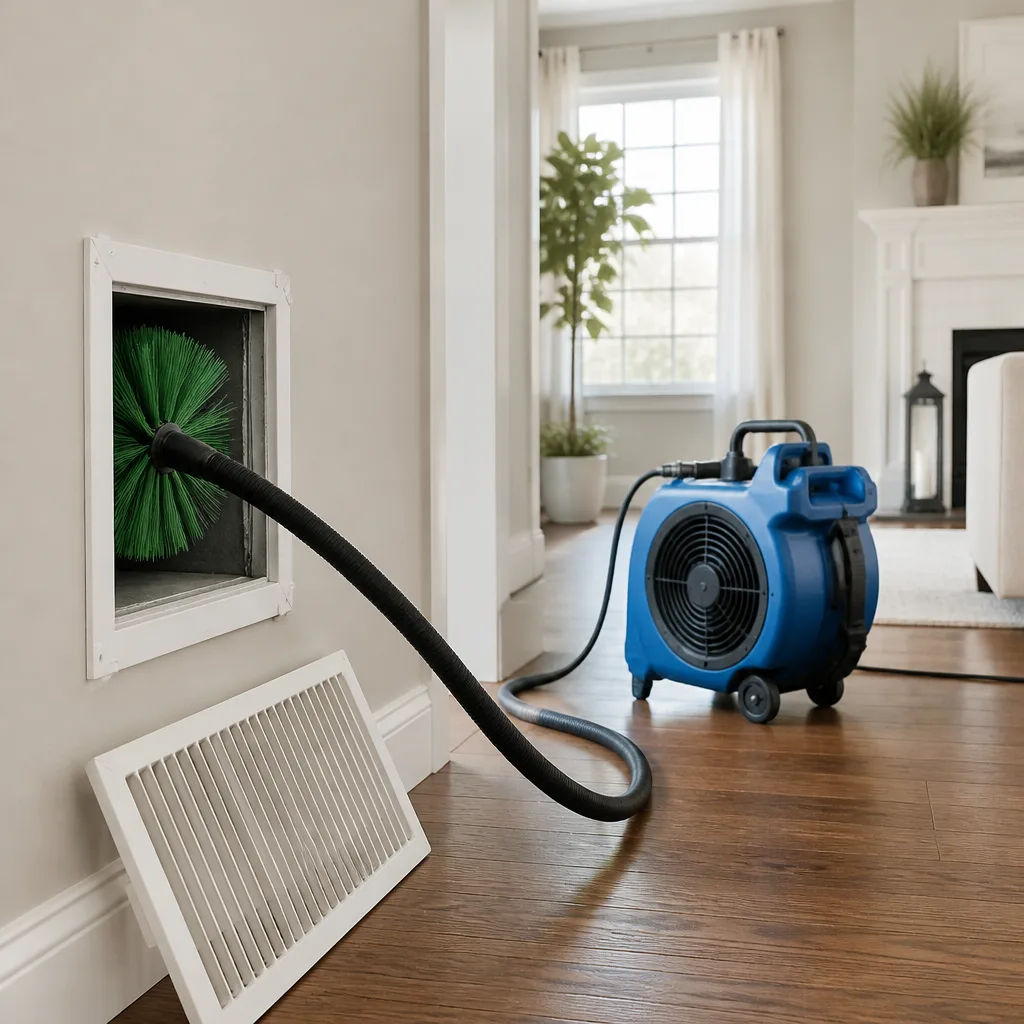
- Whole-home duct cleaning
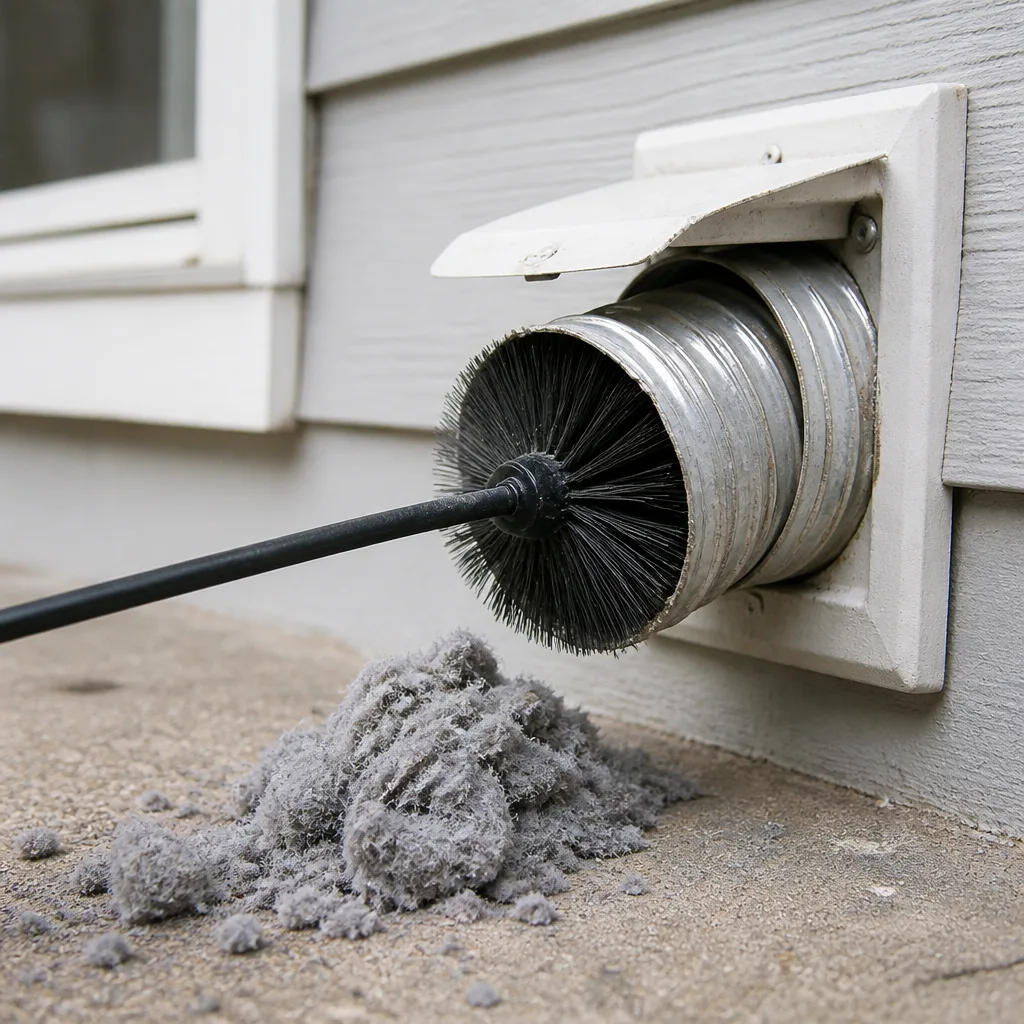
- Dryer vent cleaning
- Camera inspection
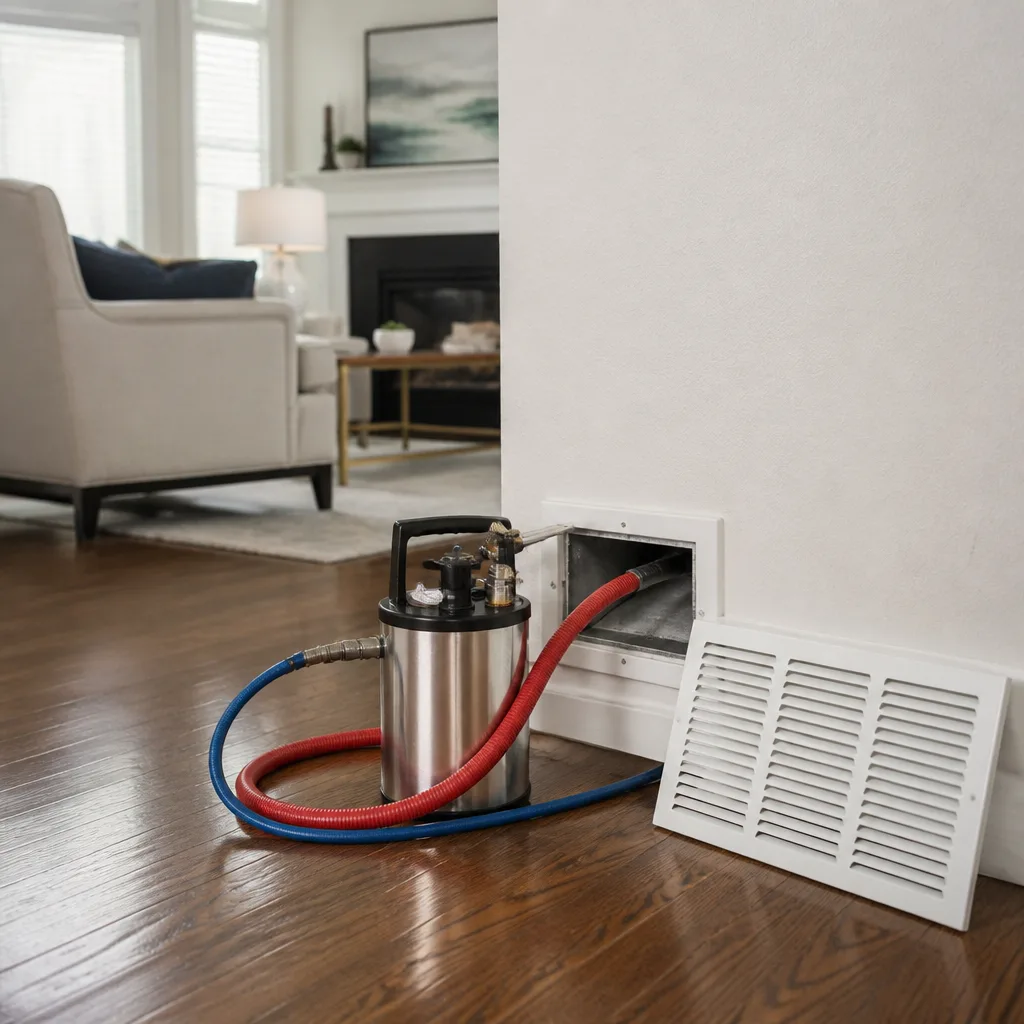
- Sanitizing & deodorizing
Table of Contents
- Smell-Based Diagnostics: Reading What Your Ducts Are Telling You
- What to Look For at Your Supply Registers
- Airflow Imbalance: When One Room Never Feels Right
- Short-Cycling and Rising Bills as Duct Evidence
- Post-Renovation Warning Signs in Kingsbridge’s Older Homes
- Moisture, Humidity and Biological Growth Inside Ducts
- Dryer Vent Warning Signs That Get Confused With Duct Problems
- Signs That Look Alarming but Usually Aren’t
Smell-Based Diagnostics: Reading What Your Ducts Are Telling You
Smell is the most useful warning sign a homeowner has, and also the most misread. The key question isn’t just what it smells like, it’s when it appears. A smell that shows up only when the heat runs, then fades, comes from a different part of the system than a smell that shows up when the cooling runs. Figuring out the timing narrows the inspection target before anyone climbs into a crawlspace.
Odors that appear when the heat runs
A dry, dusty, slightly burned smell in the first minutes of a heating cycle is common and often harmless: dust that settled on the heat exchanger over the off-season is burning off, and it clears in a few minutes. It stops being harmless when the smell doesn’t clear, or when it has an acrid, metallic or faintly gas-like quality. That pattern points toward the heat exchanger area and any ducts running close to the flue or chimney. In a two-flue house, a flue that shares a chase with a supply trunk can allow combustion residue to migrate into the ductwork. That is a combustion-safety question, not a cleaning question, and it needs a trained professional on site promptly. Don’t run the system for comfort while you wait. Shut it down and make the call.
Odors that appear when the cooling runs
A damp, musty, wet-cardboard smell that shows up when the AC starts points away from the heat side entirely. On a cooling cycle, moisture collects on the evaporator coil and drips into the drain pan. If the pan isn’t draining freely, or the coil stays wet between cycles, that standing moisture feeds biological growth. The return ducts that run through humid basement or crawlspace air pick up that growth, and the blower then delivers it to every room. Musty smell plus cooling equals coil and drain pan inspection first, duct cleaning second.
- Dry, dusty smell, clears within minutes: normal burn-off, note it and move on.
- Acrid or metallic smell, doesn’t clear: inspect the heat exchanger and flue-adjacent ducts. Treat as a safety issue.
- Musty smell on cooling cycles: inspect the evaporator coil, drain pan and humid return runs.
- Musty smell year-round, strongest when the blower starts: growth is likely inside the ductwork itself, especially in returns that pull from a damp basement.
- Chemical or solvent smell: often a recent project off-gassing through the system. Give it a few days, then reassess.
When you call, lead with the timing. “It smells musty for about five minutes every time the AC kicks on, then fades” tells a technician far more than “my ducts smell.” That’s the kind of description that turns into a targeted inspection instead of a guess. If the smell is on the heat side and persistent, call (855) 658-4077. We answer 24/7. Fast dispatch from 7am to 7pm, Sunday through Friday.
What to Look For at Your Supply Registers
Supply registers are the cheapest inspection a homeowner can do. Take the grille off a few of them, shine a flashlight into the throat of the duct, and look. What you find on the inside surface of the duct tells you about conditions upstream, in the trunk line and at the air handler. Three patterns in particular are worth knowing, because each one points to a different cause.
- Rust-colored staining. Orange or brown streaks on the inside of a galvanized duct mean water has been present. On any register in a Kingsbridge home, staining usually traces back to condensation somewhere upstream: an undersized or sweating supply run, a duct that passes through an unconditioned crawlspace, or a coil that’s been dripping into its pan and not draining. Rust stains don’t mean the duct is full of debris, they mean something is wet that shouldn’t be.
- Black sooting. A soot-like black film or streaking around a register, particularly near the ceiling on upper floors, is a sign worth taking seriously. Black deposits on the supply side can indicate combustion byproducts moving where they shouldn’t. Treat it like the acrid-smell case above: stop using the system for heat and get a professional eye on it.
- White powder deposits. A fine white dust or efflorescence around the register boot is usually mineral residue, mineral dust pulled up from a damp crawlspace or a basement floor, carried on the return side and deposited where the air slows at the grille. It’s a sign the return is drawing from a damp, soil-adjacent space. Worth correcting, since it means the system is also pulling in whatever else lives in that air.
One more pattern: dust that’s clearly heavier in one room’s register than in the others, or a register that blows while another barely moves. That’s not a dirty-duct story, it’s a delivery story, and the next section covers it.
A five-minute register check worth doing
- Turn the system off before you touch anything.
- Remove two or three supply grilles, ideally one near the air handler and one at the far end of the house.
- Shine a flashlight into the throat of the duct and look at the first foot or so.
- Photograph whatever you find. Color and texture come through better in photos than memory.
- Put the grilles back and note the exact rooms. When you talk to a contractor, room-specific notes speed up the diagnosis.
Airflow Imbalance: When One Room Never Feels Right
A room that’s always harder to heat or cool than the rest of the house is the most common warning sign homeowners ignore, because it’s easy to blame the furnace, the thermostat or the room itself. In our experience, a consistent, room-specific imbalance is often a duct problem. The system is moving the right amount of air overall, but not getting it where it’s wanted.
The usual suspects are a disconnected or slipped-together duct run, a crushed or kinked flexible run where it turns a corner, a run that was originally sized for the room’s old use and never updated, or an obstruction: construction debris, a collapsed section of duct liner, or a damper stuck half-closed since someone adjusted it long ago. Any of these restricts flow to one branch, which raises pressure in the trunk and pushes extra air to the rooms with less resistance. So when the hallway gets all the heat and the back bedroom gets none, it’s often the same underlying cause that just shows up at both ends.
Kingsbridge’s mix of housing is worth mentioning here. The neighborhood’s older extended and attached homes, plus the attached rowhouse blocks that give Kingsbridge so much of its character, frequently have duct runs where an added extension or kitchen renovation was tied in to the original trunk with a flex run spliced through a tight space. Those splices are the first thing worth checking on a room-specific imbalance, and they’re also why a whole-system inspection beats a quick blast from the truck. If the duct is disconnected or crushed, cleaning it just makes a clean broken duct. Duct repair and sealing is what closes that loop. A technician who can identify and fix the structural problem, not just clean around it, does both in one visit.
Quick test: with the system running and the room’s register open, hold a piece of tissue paper against the grille. A strong flutter is good. A weak flutter, or none at all, while other rooms blow hard, tells you the problem is in that branch of the ductwork.
Short-Cycling and Rising Bills as Duct Evidence
Ductwork restricts air. When the duct system pushes back, the blower fights it, and the equipment starts to show symptoms that look like equipment failures. Two symptoms in particular are worth reading as duct evidence.
Short-cycling
Short cycles are when the heating or cooling runs for a few minutes, stops, then starts again soon after. The most direct route is a system blower struggling against a high-static-pressure duct system. When restriction in a duct system is high, the air handler can’t move the rated airflow, the coil gets cold on the cooling side or the heat exchanger gets hot, a safety limit trips, and the system shuts down and then restarts. The furnace or AC gets the blame. The restricted ductwork is often the cause. Short cycling is not an emergency on its own, but it’s worth investigating before the wear from constant restarting turns a duct problem into a compressor or heat exchanger problem. A technician who can check static pressure across the system, not just clean the duct, gets to the actual cause.
Utility bills that climb without a change in usage
A bill that jumps when rates change is one thing. A bill that climbs over several seasons, in the same house with the same family in it, points to a system working harder to deliver the same comfort. Disconnected or leaky ducts in an attached home can leak conditioned air into a wall cavity or a crawlspace. Restricted ducts cause longer runtimes. Both show up in the billing before they show up on a service ticket. If your bill is climbing and a room is stubborn at the same time, put those two signs together. They usually come from the same place, and that place is the duct system.
Post-Renovation Warning Signs in Kingsbridge’s Older Homes
A gut renovation done with the HVAC system running is one of the most reliable ways to load a duct system with debris. Drywall dust, plaster debris, sawdust from trim and framing, and dust from holes cut in the ceiling for wiring all get pulled into return air grilles the moment the blower cycles on. In Kingsbridge’s older attached homes, the return grilles are often positioned close to the work area: a central hallway return, a floor return in an old parlor, a closet return on the second floor. Those grilles are positioned to grab air, and during a renovation they grab everything else too.
Watch for these specific signs after a project:
- Returns that look gray or packed with powder after the contractor leaves.
- An increase in dust on horizontal surfaces in every room, not just the work zone, for weeks after the renovation ends.
- A musty smell that appears for the first time after the project. Trapped construction moisture in a damp space is a common trigger.
- Airflow that’s weaker than before the project in rooms downstream of the work area.
- Short-cycling that began with the renovation and never went away.
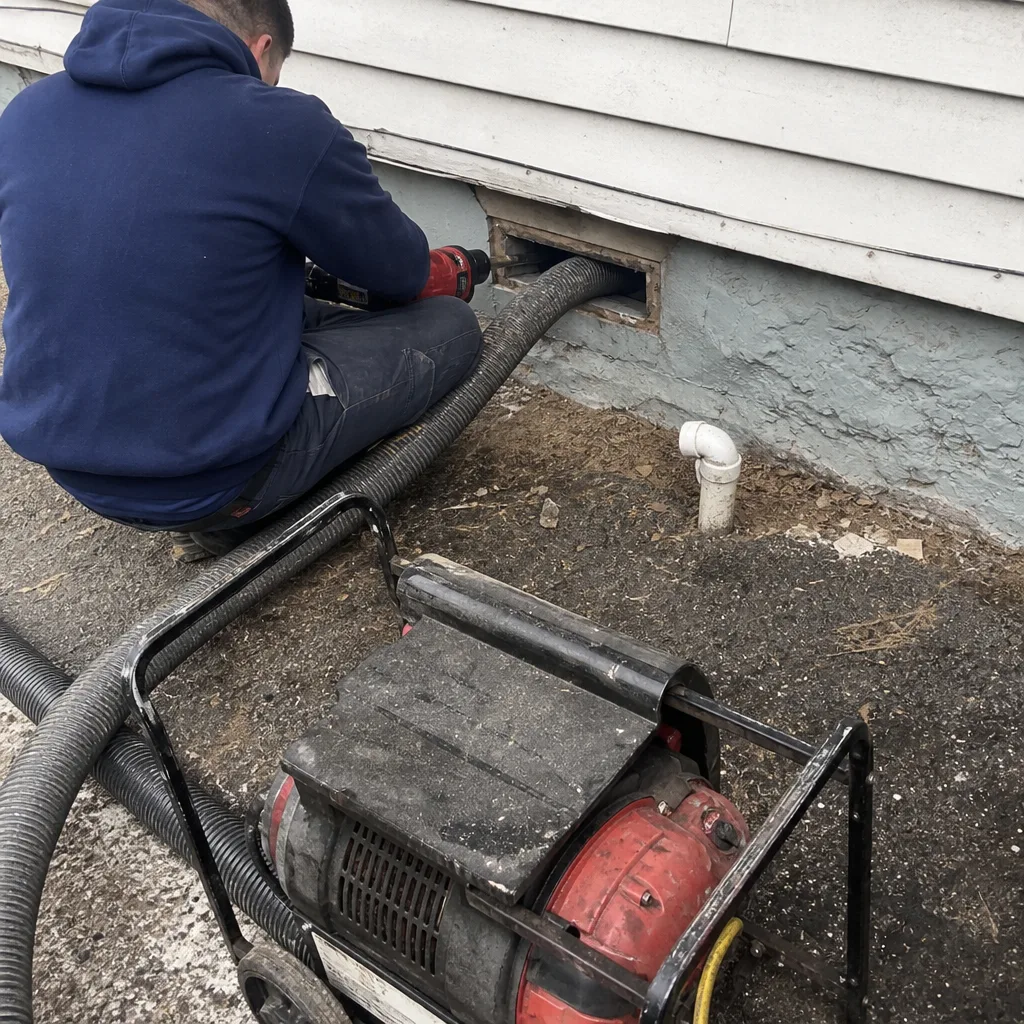
Drywall dust is fine enough to coat the inside of the entire system, and that’s why post-renovation cleaning is usually a whole-system job, not a vacuum at the nearest grille. Professional-grade equipment matters here. A Rotobrush or Nikro system uses agitation and high-volume negative pressure to pull debris out of the system while keeping it contained, and Abatement Technologies air filtration and containment equipment is designed for exactly this kind of contamination-sensitive work.
Moisture, Humidity and Biological Growth Inside Ducts
Musty smell is a warning sign. It’s worth knowing what’s occurring inside the system that produces the smell. Duct interiors are dark, and during the cooling season they’re often cool and damp. That’s a good environment for biological growth in any climate, and in Kingsbridge’s humid summer months, indoor humidity is often at its highest exactly when the system runs the most.
The places to check are the evaporator coil, the condensate drain pan and the wet parts of the return duct. A pan that holds a thin film of standing water, a drainage line that’s clogged or clogged-adjacent, a coil that never fully dries between cooling cycles, or a return duct that pulls from a damp basement and stays humid even when the house is dry: all of these are growth environments. A home that smells musty in summer, feels clammy in the back rooms, and has never had the system inspected is a house worth checking.
The fix is usually in two parts. First, address the moisture source: the pan, the drain, the coil cleaning, the humidity control. Second, sanitize and clean the surfaces that grew in that moisture. That’s where Guardsman products and recognized air quality brands like Honeywell and Aprilaire come in. The cleaning doesn’t work if the moisture source is still there, and the moisture fix doesn’t fix the smell on its own. Our approach is to do both, in the right order.
If you’ve been running a dehumidifier in a damp basement throughout the cooling season and the house still smells musty, the system is a strong candidate for a professional inspection. Call (855) 658-4077 for a free estimate. We answer 24/7.
Dryer Vent Warning Signs That Get Confused With Duct Problems
Not every warning sign in the home comes from the HVAC ductwork. The dryer vent runs alongside it, collects lint at least as aggressively, and failing to distinguish the two costs homeowners time. A dryer that takes two cycles to dry a load, a laundry room that feels hot and humid when the dryer runs, and lint building up behind the dryer are all signs of a restricted dryer vent, not the air ducts. They belong to a separate service, and they’re worth taking seriously: dryer vent lint is a genuine fire risk, and the signs above mean the vent has narrowed enough that the dryer can’t exhaust heat and moisture properly.
Kingsbridge’s older homes often have dryer vent runs that were added decades after the original ductwork went in, sometimes routed through a wall cavity and under the house. Those runs are hard to clean with a shop vacuum and easy to ignore. If your dryer is slow, that vent needs a professional inspection. It’s part of the same whole-system health check that covers the rest of the system, and it’s work we do.
Signs That Look Alarming but Usually Aren’t
Some very common “warning signs” turn out to be unremarkable once you know what causes them. Knowing which is which saves a service call or two.
- A dusty smell the first few minutes of the heating season. Dust on the heat exchanger burning off. Harmless unless the smell doesn’t clear or turns acrid.
- A puff of dust from a register after a long period shut off. Dust settles inside the supply run, and the blower lifts it back into the room. If it clears in minutes and doesn’t recur every cycle, it’s not a warning sign.
- Visible household dust on furniture. Most of it comes from skin cells, textiles and outdoor air, not from the ducts. Seeing regular dust does not by itself mean the ducts need cleaning.
- A small quantity of light-brown debris inside a return grille. Often dust carried in from an unconditioned space. Worth a look, but not automatically a duct problem.
- Mild allergy-type irritation in one person, and no one else in the house. More often a personal sensitivity than a duct-system smell. If nobody in the household can identify a smell and the registers are clean, the ducts probably are too.
Common Mistakes to Avoid
- Treating “my ducts are dirty” as the whole diagnosis. Dusty ducts are one problem and a disconnected run is a different one. If the description is wrong, the fix is wrong. Describe the timing, the room and the smell instead, and the diagnosis becomes a lot more useful.
- Assuming a burning smell on the heating cycle is always harmless. A short-lived burn-off smell is normal. An acrid smell that doesn’t clear, or a black soot pattern around a register, is a safety question. Shut the system down and have it inspected.
- Cleaning the ducts while a leak or a moisture source stays in place. Clean ducts stay clean. Wet ducts don’t. The coil, the drain pan, a disconnected run and a humid return all need to be addressed, and cleaning alone just resets the clock. This is why we scope repair and sealing into a job where they belong.
- Skipping the register inspection and going straight to a cleaning quote. A five-minute flashlight check will tell a contractor more about the system than any sales visit. Do the check first and bring notes.
- Cleaning after a renovation and calling it a day. Drywall dust coats the whole system, not just the grille it passed through. If a project was done with the system running, the whole system should be looked at, not just the rooms nearest the work.
- Confusing dryer vent symptoms with duct symptoms. A slow dryer and a hot laundry room point to the vent, not the ducts. Running one service doesn’t fix the other. A single call to Air Duct Cleaning Kingsbridge can cover both, since both are on our list of five services.
- Assuming a room-specific comfort problem is the equipment’s fault. When one room never gets right and the rest of the house is fine, start with the ducts. In our experience a crushed, disconnected or restricted run in that room’s branch causes more of these calls than a failing furnace.
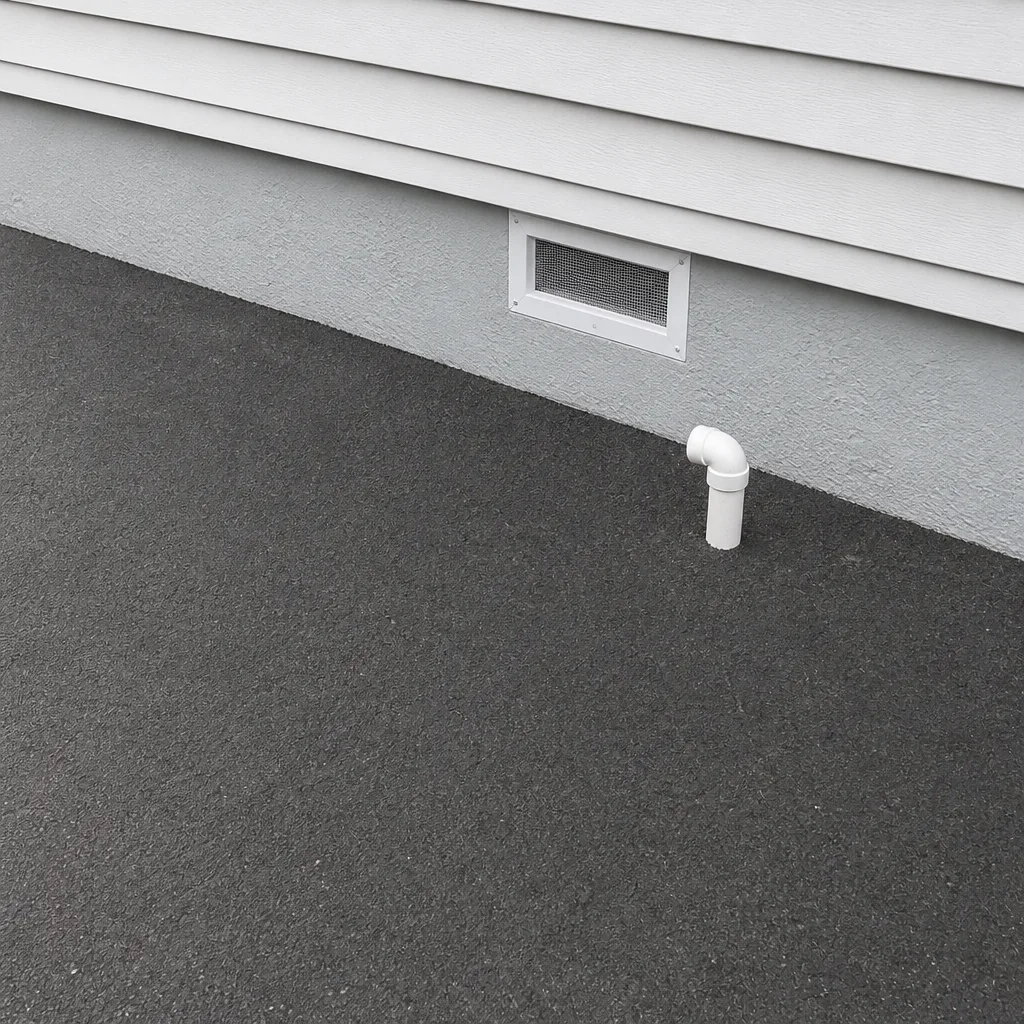
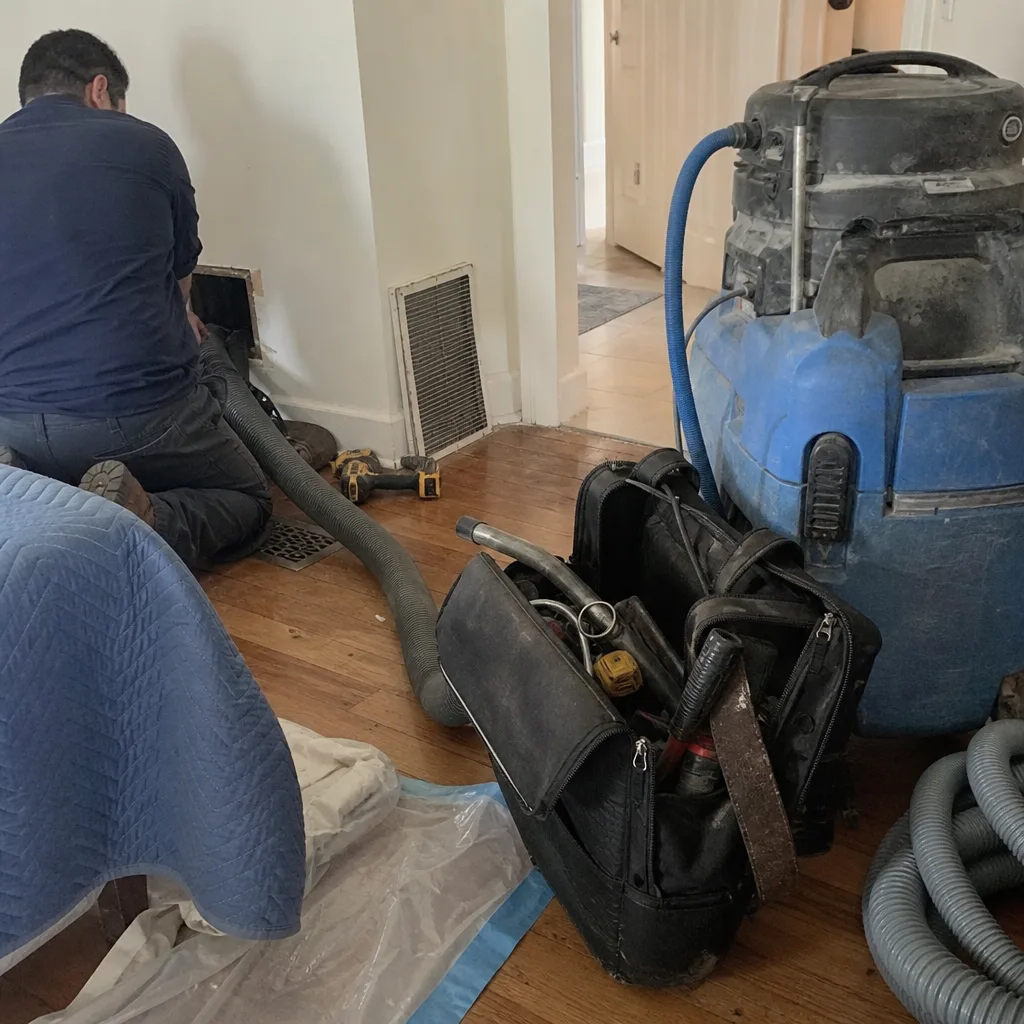
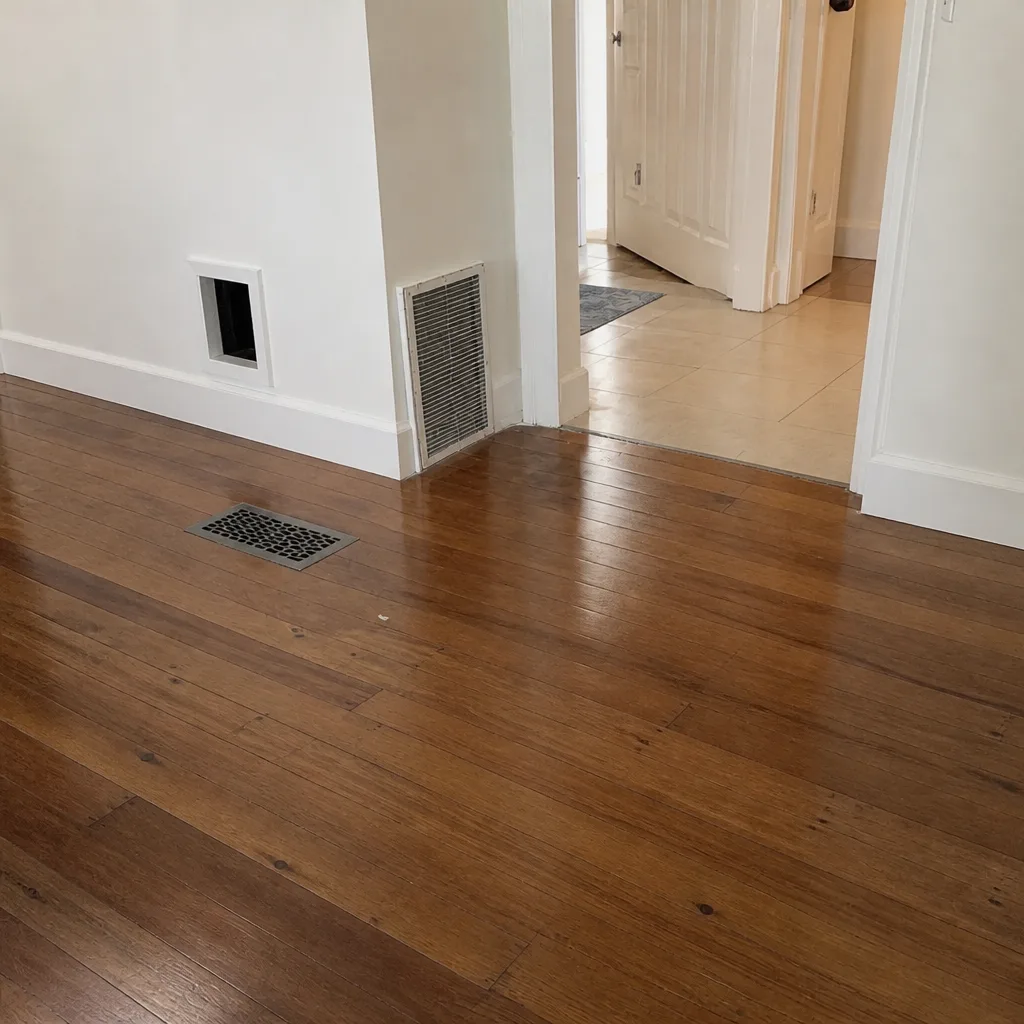
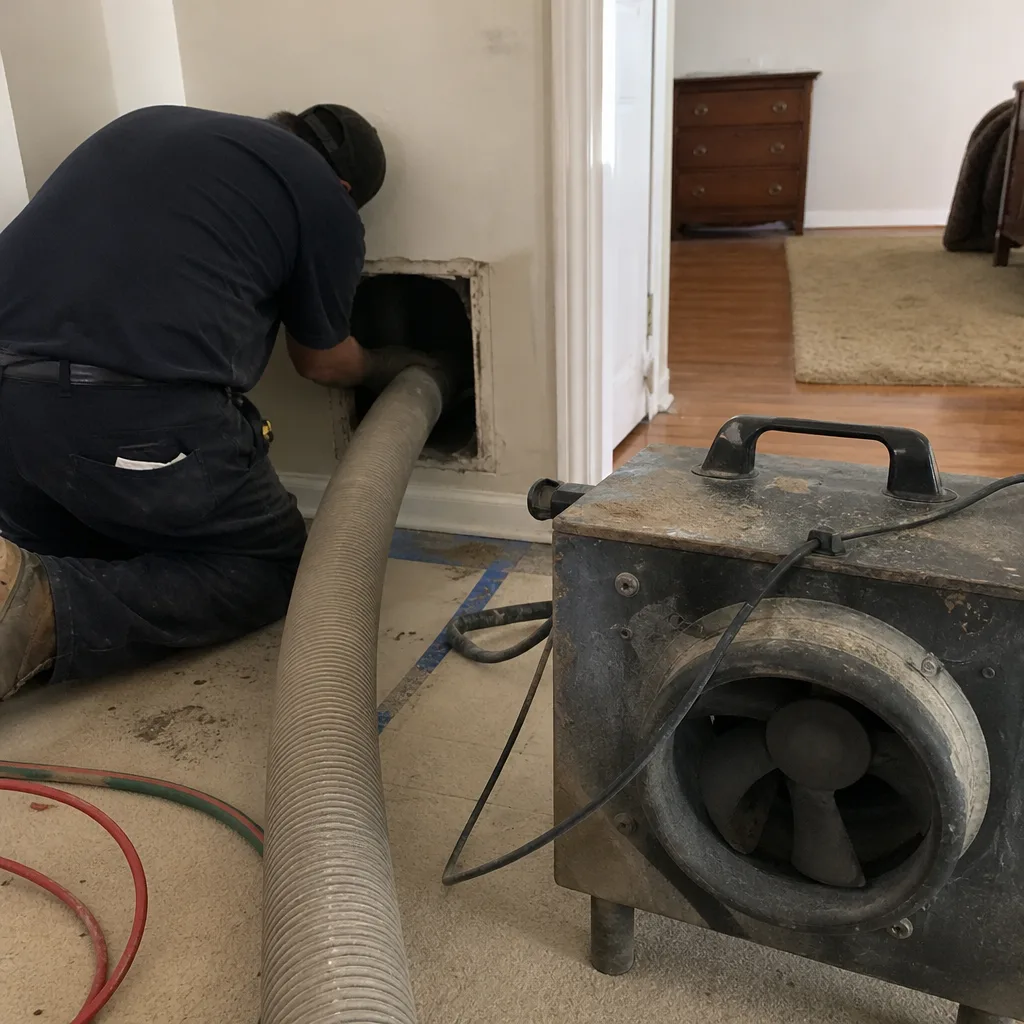
See the difference
 Before
 After
 Before
 After
 Before
 After
When to Call a Professional
Call a professional when the warning sign is room-specific or smell-specific. That means one room’s airflow that’s consistently weaker than the rest, a musty smell that appears on cooling cycles, an acrid smell or soot pattern on the heating side, a bill that’s climbing without a change in usage, or a renovation that ran the system through demolition. A professional-grade inspection with Rotobrush and Nikro equipment, static pressure checks and a look inside the trunk line, not just at the grille, gets to the actual cause. Most of what a contractor finds inside a Kingsbridge system is fixable in a single visit: a run reconnected, a crushed section replaced, a coil and pan cleaned, a duct system sealed. Cleaning without repair and repair without cleaning both leave the problem half-solved. We do both under one roof. Air Duct Cleaning Kingsbridge offers free estimates in Kingsbridge. Call (855) 658-4077. We answer 24/7. Fast dispatch from 7am to 7pm, Sunday through Friday.
Frequently Asked Questions
Look for specific conditions, not general dust. A musty smell that appears when the AC runs, rust-colored or black staining inside supply registers, a room that’s consistently harder to heat or cool, short-cycling, a bill that’s climbing without extra usage, or a renovation done with the system running are the signs that justify a professional inspection. General household dust on furniture is not, on its own, a duct-cleaning signal. Call (855) 658-4077 for an exact quote and a free estimate.
Musty smell that appears with the cooling cycle points to the evaporator coil, the drain pan and the humid return ducts, not the heat side of the system. Moisture collects on the coil, drains or doesn’t drain into the pan, and feeds biological growth, which the blower then distributes throughout the house. The fix is both moisture correction and cleaning. Call (855) 658-4077 for an inspection.
Restricted ductwork is a common cause of short-cycling, yes. When ducts restrict airflow, static pressure builds, the air handler can’t move its rated airflow, and a safety limit trips and restarts the system. It’s worth checking the ducts before assuming the equipment is failing, since constant restarting wears equipment down over time. Call (855) 658-4077 for an estimate.
A slow dryer and a hot, humid laundry room mean the dryer vent is restricted, not the air ducts. Both systems collect lint and debris, but they’re separate services. The warning signs for a restricted dryer vent are easier to spot, since they show up in the laundry room. The two services are usually scheduled and performed on the same visit. Call (855) 658-4077 to have both checked.
It helps when the ducts themselves are the source of the dust or odor, not when the dust is coming from textiles, pets or outdoor air. A professional inspection tells you which is which before anyone quotes a cleaning. When the source is inside the system, cleaning it makes a measurable difference to both. Call (855) 658-4077 for an exact quote.
Professional-grade equipment, not a shop vacuum. Rotobrush and Nikro systems agitate debris and pull it out under high-volume negative pressure while keeping the debris contained inside the machine. Abatement Technologies air filtration and containment equipment is used in contamination-sensitive work, and Guardsman products are used for sanitizing. A contractor who names their equipment and explains why it’s used is a safer call than one who doesn’t. Call (855) 658-4077 for a free estimate.
The Bottom Line
Warning signs mean something specific when you can describe them accurately. A musty smell on the heating cycle points at the heat exchanger and flue-adjacent ducts; the same smell on the cooling cycle points at the coil and drain pan. Rust staining, black sooting and white powder at the registers each mean something different upstream. A single room that never feels right is usually a duct problem, not an equipment problem. A bill that climbs for no reason, short-cycling, and a fog of dust after a renovation are the duct system’s way of raising its hand. Read the sign right, describe it precisely, and the call becomes a real diagnosis. If you’re in Kingsbridge and any of these describe your home, or one call can cover the whole system, our list is short and our scope is broad: Air Duct Cleaning Kingsbridge handles air duct cleaning, HVAC cleaning, dryer vent cleaning, Duct Repair & Sealing, and Air Quality & Sanitizing. Call (855) 658-4077 for a free estimate. We answer 24/7. Fast dispatch from 7am to 7pm, Sunday through Friday.
Written by the team at Air Duct Cleaning Kingsbridge.