
Last updated November 22, 2026
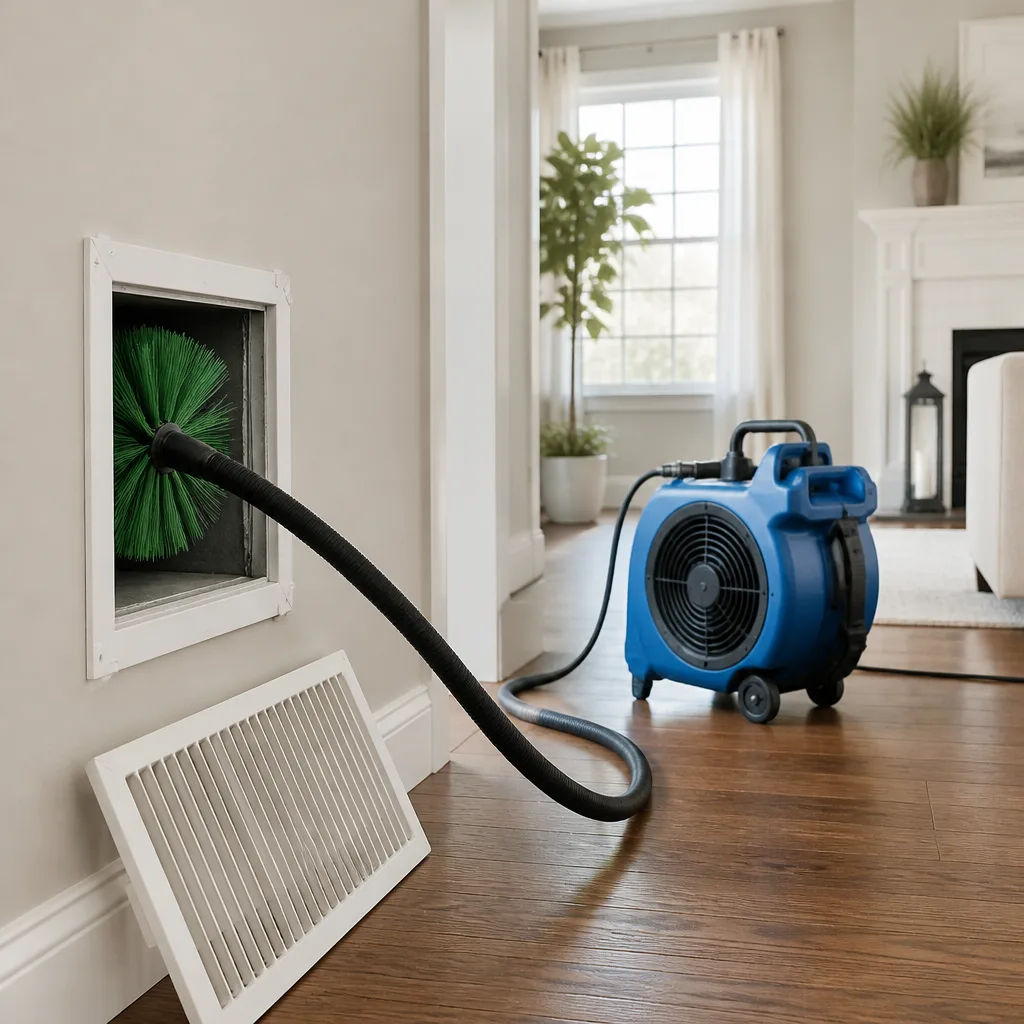 Whole-home duct cleaning
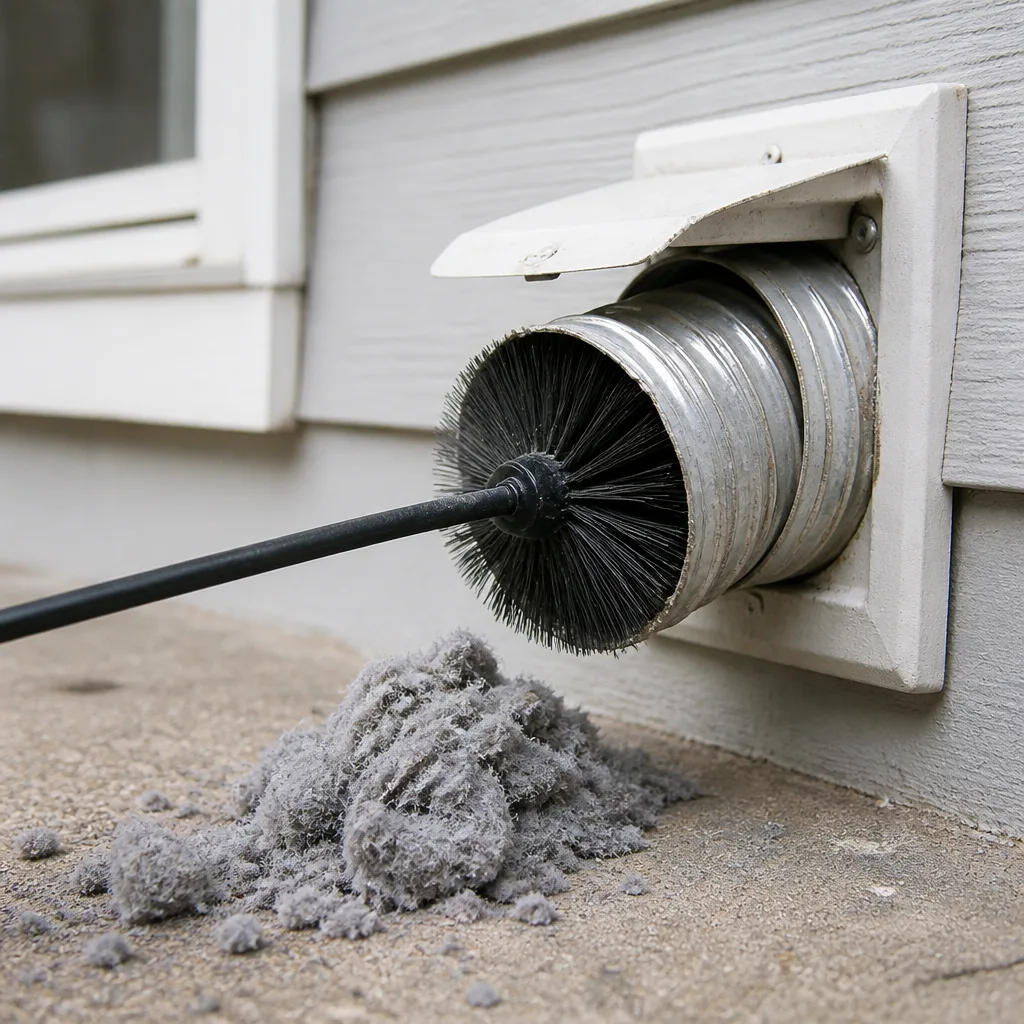 Dryer vent cleaning
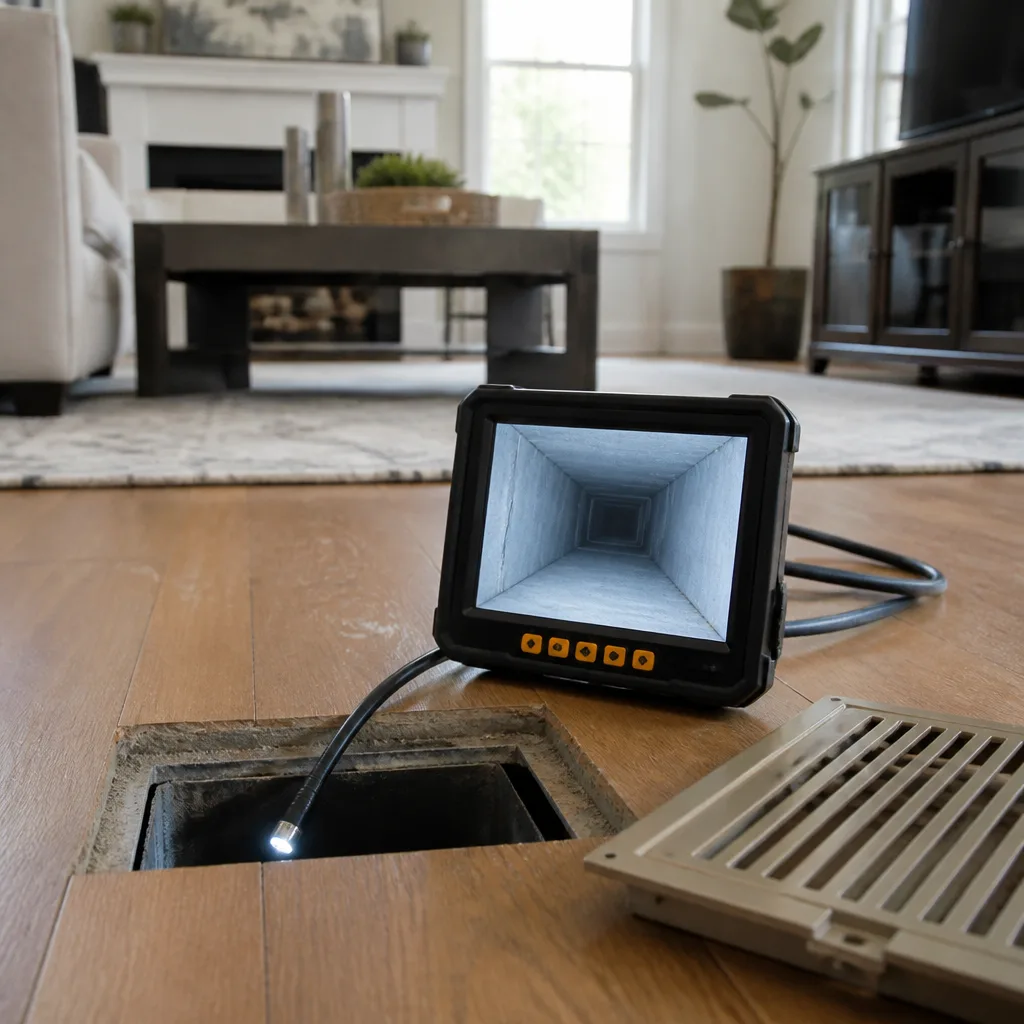 Camera inspection
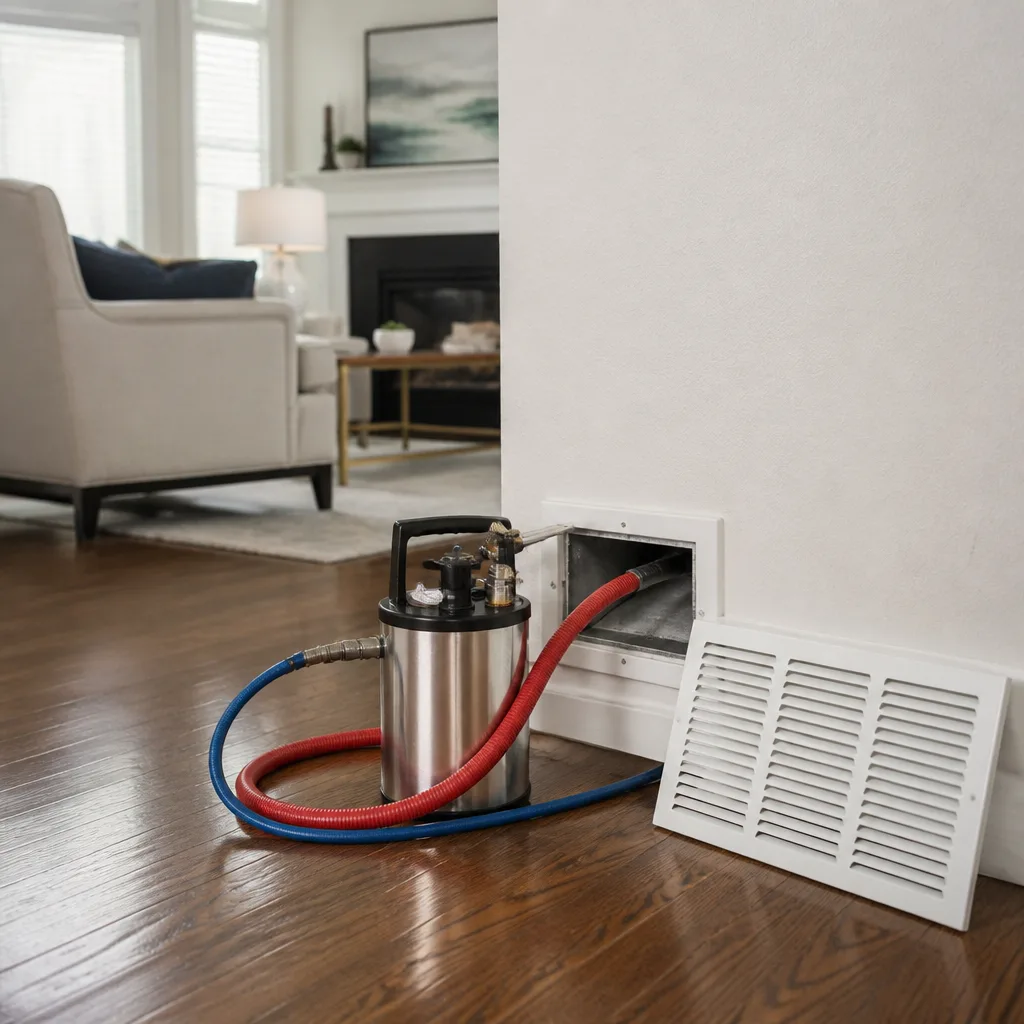 Sanitizing & deodorizing
Whole-system duct and dryer vent check with before-and-after photos - you see exactly what came out of your vents
That "$99 whole-house special" is a bait ad - the real number appears once they are in your hallway, or the "clean" is a shop-vac at the register. We photograph the inside of your ducts before and after instead.
How to Hire an Air Duct Cleaning Contractor in Kingsbridge: A Step-by-Step Guide
A low headline price for whole-house duct cleaning usually covers little more than the fuel to get a technician to your door. That’s the part of this industry nobody advertises, and it’s the reason a homeowner in Kingsbridge can book three different companies in one afternoon and get three completely different versions of what “a cleaning” means. Air duct cleaning has almost no licensing barrier to entry in New York, so the gap between an equipment-serious contractor and a bait-and-switch operation stays invisible until someone is standing in your hallway. This guide walks you through how to vet a contractor before you book, what to ask about equipment, how to read a written estimate, and what to watch once the truck is parked outside your Kingsbridge home.
Quick Answer
To hire an air duct cleaning contractor in Kingsbridge, verify the equipment and scope before you book: ask what rotary brush system they use, the CFM rating of their negative air machine, and whether their exhaust is HEPA-filtered. Then insist on a written, whole-system estimate that lists register count, linear footage, and line items for sanitizing and seal repair. A contractor who answers all three equipment questions without hesitation and puts the scope in writing is the one worth your deposit.
Styles & brands we work with
- Whole-home duct cleaning
- Dryer vent cleaning
- Camera inspection
- Sanitizing & deodorizing
Table of Contents
- Why the Duct Cleaning Industry Is Hard to Vet
- The Equipment Questions to Ask Before Booking
- What NADCA Membership Signals, and What It Doesn’t
- Red Flags in Phone and Online Quote Processes
- How to Read a Written Duct Cleaning Estimate
- On-Site Vetting: What to Watch During Setup
- Why Whole-System Scope Matters in Kingsbridge Homes
- Booking the Right Contractor: A Numbered Walkthrough
Why the Duct Cleaning Industry Is Hard to Vet
Most home services in New York have a paper trail you can check. Plumbing and electrical work require licensed professionals, and the permit process leaves a record. Duct cleaning sits outside that framework in most of the state, which means anyone who can buy a shop vacuum and print a flyer can advertise “professional duct cleaning” in Kingsbridge tomorrow. That’s not a knock on the trade. It’s a fact that puts the entire burden of verification on you, the homeowner.
Here’s what that means in practice. A contractor quoting $99 for a whole house is quoting below the cost of the labor, the negative air machine, the rotary brush system, and the time required to properly clean a typical duct system. Something has to give. Usually it’s the scope, the depth of the cleaning, or the number of vents actually touched. Sometimes it’s all three.
We’ve seen homeowners in Kingsbridge pay twice for the same job: once for the cheap cleaning that didn’t solve the problem, and once for the real one that followed. The vetting process in this guide is built to prevent that first mistake. It focuses on equipment and written scope, because those are the two things a bait-and-switch operator can’t fake for long.
If you want the process simplified from the start, our own Air Duct Cleaning Kingsbridge service is built around the same standards this guide describes. But even if you hire someone else, use the questions below. That’s the point of a vetting guide: it works no matter who shows up at the door.
The Equipment Questions to Ask Before Booking
A legitimate duct cleaning contractor will answer these questions on the phone without hesitation, in under thirty seconds. If you’re hearing “we have all the professional equipment,” ask again for specifics. The equipment a contractor uses tells you almost everything about whether the job will be done right. Here are the questions that separate the equipment-serious from the rest:
- What brand of rotary brush system do you use? Professional systems like Rotobrush or Nikro use rotating brushes and whips with controlled suction to agitate and extract debris from the duct walls. Consumer-grade or rented equipment typically pushes air but doesn’t scrub the surfaces where dust, dander, and mold spores actually settle. A contractor who names their system is telling you they take the tooling seriously.
- What’s the CFM rating on your negative air machine? CFM stands for cubic feet per minute, and it measures how much air the machine can pull. A negative air machine creates negative pressure inside the duct system so dislodged debris travels back to the collection unit instead of into your living room. A real answer involves a specific number and a reason behind it.
- Is your exhaust HEPA-filtered? HEPA filtration on the exhaust means microscopic particles get captured before any air leaves the system. This matters enormously in any home where someone has asthma, allergies, or a compromised immune system. Abatement Technologies makes containment and filtration equipment used specifically for contamination-sensitive environments, and a contractor who uses that gear has planned for the worst case.
- Do you use source removal or just blow-through cleaning? Source removal is the standard: agitate the debris with a brush, use negative pressure to extract it, and contain it in the collection equipment. Blowing air through the system without extraction just redistributes dust around a Kingsbridge home.
- What sanitizing products do you apply, and are they EPA-registered? Professional-grade treatments like Guardsman products are applied after cleaning, not as a substitute for it. A sanitizer on top of dirt doesn’t sanitize anything.
The pattern matters: an equipment-serious contractor talks about tools with the same ease you’d expect a mechanic to talk about torque wrenches. Vague answers are the answer.
What NADCA Membership Signals, and What It Doesn’t
NADCA, the National Air Duct Cleaners Association, is the trade body most duct cleaning professionals reference. Looking for NADCA membership is a smart first check, but it’s a floor, not a ceiling. It signals that a contractor cares enough about the trade to join a professional association and likely follows the group’s assessment, cleaning, and restoration standards. It does not guarantee the equipment, the written scope, or the pricing behavior of the person who shows up at your door.
Here’s how we’d rank the signals, in rough order of reliability:
- Equipment specifics. A contractor who names Rotobrush, Nikro, or Abatement Technologies and can explain why is demonstrating technical competence that no organization badge proves.
- Written scope. An estimate that lists register count, linear footage, access requirements, sanitizer, and any duct repair line items tells you exactly what will happen. Vague language is a warning sign at any membership tier.
- NADCA membership. Useful, but treat it as an entry ticket. Verify it independently rather than taking a logo on a flyer at face value.
- Reviews. Helpful but easy to fake. Look for reviews that mention what equipment was used or what was found during inspection, not just “great job, nice guy.”
When a Kingsbridge homeowner calls us to compare, we walk through the equipment list on the phone. They don’t need to take our word for it. The questions this guide gives you work on any contractor, including us. If someone can’t answer them, keep calling.
Red Flags in Phone and Online Quote Processes
The conversation before booking tells you more than any review page. A few red flags come up again and again, and they’re specific enough to spot on a single phone call.
- Vague scope language. Phrases like “full duct cleaning” or “complete system clean” without numbers are a warning. A real estimate says how many registers you have and how many linear feet of duct are being cleaned. Any legitimate contractor will ask you for that count before quoting.
- No mention of register count or linear footage. Duct cleaning is priced per system, and a system’s size is measured by registers and duct length. A quote that ignores both is guessing, which usually means the technician will “discover” extra charges on-site.
- Pressure to book same-day. If a contractor pushes you to lock in today to “hold the price,” slow down. A written estimate that’s worth considering is worth considering tomorrow.
- Phone quotes without any equipment or scope questions. A contractor who can quote the job without asking about your home hasn’t actually quoted it. They’ve thrown a number at you.
- Price that seems too low for the labor involved. A whole-house duct cleaning involves setup, containment, brush work, extraction, and cleanup. The math on a $99 whole-house quote in Kingsbridge doesn’t work, and the shortfall gets made up somewhere, usually at your expense.
- No written estimate before work starts. Insist on one, every time. This is the single best defense against bait-and-switch at any price tier.
One more: be wary of a contractor who won’t tell you up front whether their equipment exhaust is HEPA-filtered. That’s not a detail reserved for industrial clients. It matters in any home where family members are sensitive to airborne particles.
How to Read a Written Duct Cleaning Estimate
A good written estimate reads like a scope of work, not a price tag. It tells you what will happen, in order, and what could change the price. Here’s the line-item structure you should see, and what an absence of any item is telling you:
- Register count and linear footage. The foundation of any real quote. If either number is missing, the estimate isn’t grounded in your actual system.
- Access panel cutting (if needed). Some duct systems don’t have enough access points for the brush and vacuum equipment to reach every section. A real contractor flags this in writing before booking, not after the technician is on-site.
- Sanitizer application. Usually a line item after standard cleaning, not part of the base price. The product should be named (Guardsman, for example) or described as EPA-registered.
- Duct seal repair. Older Kingsbridge homes often have duct joints with gaps, disconnected boots, or degraded sealant. If the estimate has no provision for repair, either the contractor didn’t inspect the system or they plan to charge for it later.
- Filters and accessories. Some estimates bundle upgraded filtration (Honeywell or Aprilaire systems, for instance) and some leave it as an add-on. Either is fine, but the estimate should say which.
- A clear statement that the price is set by the written estimate. The price you sign is the price you pay, absent a scope change you approve.
If two estimates differ by hundreds of dollars, compare line items rather than totals. Often the difference is scope, not price. One estimate includes duct repair; the other assumes the ducts are intact. One includes access panel work; the other assumes your existing registers allow access. Read both carefully before deciding, and be ready to ask questions.
If your HVAC system hasn’t been touched in years, you may also want to look at our HVAC cleaning process, because the air handler, coil, and blower are often where the real trouble hides. Duct cleaning without addressing the air handler is like cleaning a room and leaving the window open.
On-Site Vetting: What to Watch During Setup
Most vetting happens before the contractor arrives. But there’s one moment on the day of the job that tells you whether the process is real: watch the setup. Specifically, watch whether the technician connects their negative air machine to the duct system before opening any access points.
This is the single most important procedural detail of a duct cleaning. A proper setup looks like this:
- Negative air machine gets positioned and connected to the duct system first. The machine creates suction, so once the ducts are opened, dust and debris travel toward the collection unit rather than into your living space.
- Floor protection and containment go down before work starts. Drop cloths or runners at entry points and around the work area.
- Access points are cut or opened only after negative pressure is established. If a technician starts pulling register covers off before the machine is connected, that’s a warning sign.
- The rotary brush system is fed through each duct run systematically. Expect visible hose or brush line work going into each register, in order.
- Final inspection before cleanup. A thorough technician inspects duct runs with a camera or light before closing access points, and will show you what was found.
Ask the technician during setup whether their exhaust is HEPA-filtered. If yes, they’re containing particles at a level that protects the whole household. That’s a sign of process maturity, not a marketing flourish. If they answer with confidence and can point to the equipment, you know the estimate you signed reflects the process you’re getting.
Why Whole-System Scope Matters in Kingsbridge Homes
Kingsbridge’s housing stock is a mix of pre-war apartment buildings and older single-family homes, and the duct systems in that inventory come with a specific set of challenges. The building envelope matters: older construction isn’t sealed the way new construction is, which means duct runs are more likely to have loose joints, degraded seals, or slight disconnection at boots and registers. Cleaning without sealing those gaps is temporary work. Airborne dust comes back through the same openings within a season.
That’s why Duct Repair & Sealing belongs in the scope of any real cleaning conversation. Clean ducts and sealed ducts are two halves of the same result. A company that stops at cleaning and leaves you to find a separate contractor for sealing is handing you an additional call and a second visit. When all five services (cleaning, dryer vent cleaning, HVAC cleaning, duct repair, and air quality/sanitizing) sit with one team, the inspection findings flow directly into the scope of work.
If you want to see how a related system issue plays out, our dryer vent cleaning page explains the lint problem that sits in parallel to duct contamination: both are mechanical rooms where concealed buildup becomes a real risk over time.
One more Kingsbridge-specific note: multi-unit buildings sometimes share duct routing between units or have common exhaust systems. If you’re a property manager, ask whether each unit will be treated separately or whether the system is being assessed as a whole. Whole-building scope is a bigger job, and the estimate needs to reflect it.
Booking the Right Contractor: A Numbered Walkthrough
Here’s the process end to end. We’ve included it as a sequence because that’s how it actually unfolds.
- Count your registers and estimate linear footage. Walk every room and count supply and return registers. A rough linear footage can be estimated by thinking through each duct run from register back to the air handler. This preparation is what allows you to compare quotes on the same basis.
- Call two or three contractors and ask the equipment questions. Rotary brush system brand, negative air machine CFM, HEPA exhaust filtration. Note who answers without hesitation and who deflects.
- Ask about written scope. Register count, linear footage, access panel cutting, sanitizing, and duct seal repair should all appear (or be explicitly excluded). If a contractor won’t put them in writing, move on.
- Request a written estimate and compare line items, not totals. Look for scope differences before you look at price.
- Book the visit. Booking should feel calm, not pressured. If someone is pushing you to “lock in today,” treat that as a red flag.
- Watch the setup. Verify the negative air machine is connected and running before any duct access point gets opened.
- Review findings before cleanup. A transparent contractor shows you what came out of the system, either by camera inspection or by walking you through the collection unit. Any duct repair needs uncovered during the job should be documented and quoted in writing before you approve it.
- Confirm the work. A written summary of what was cleaned, what was sealed, and what was applied gives you a record for future maintenance decisions.
Follow these steps and you won’t need to trust a review rating or a flyer. You’ll have done the verification yourself.
Common Mistakes to Avoid
- Booking on price alone. The lowest quote is rarely the cheapest total once the job is done properly. It usually means a smaller scope than you think, or escalated charges later.
- Accepting a phone quote with no scope. A number without a register count or linear footage isn’t a quote, it’s a placeholder. Insist on written everything.
- Skipping the equipment questions. If you don’t ask about the rotary brush system and the negative air machine, a contractor can substitute a shop vacuum and still call it a cleaning.
- Ignoring the ducts’ physical condition. In older Kingsbridge housing, duct joints are often the actual problem. Cleaning dislodges dust; sealing keeps it out of the system. Addressing one without the other rarely holds.
- Treating “sanitizing” as a substitute for cleaning. A Guardsman-grade sanitizer works beautifully on a clean surface. Applied over dust and debris, it just wets the dust.
- Not verifying HEPA exhaust on the equipment. Ask the question plainly and note the answer. Sensitive households (asthma, allergies, immune concerns) need to know.
- Overlooking the HVAC system. The air handler, blower wheel, and evaporator coil are where a lot of the contamination sits. If the plan only touches the ducts and ignores the appliance side, the supply air is only half handled.
See the difference
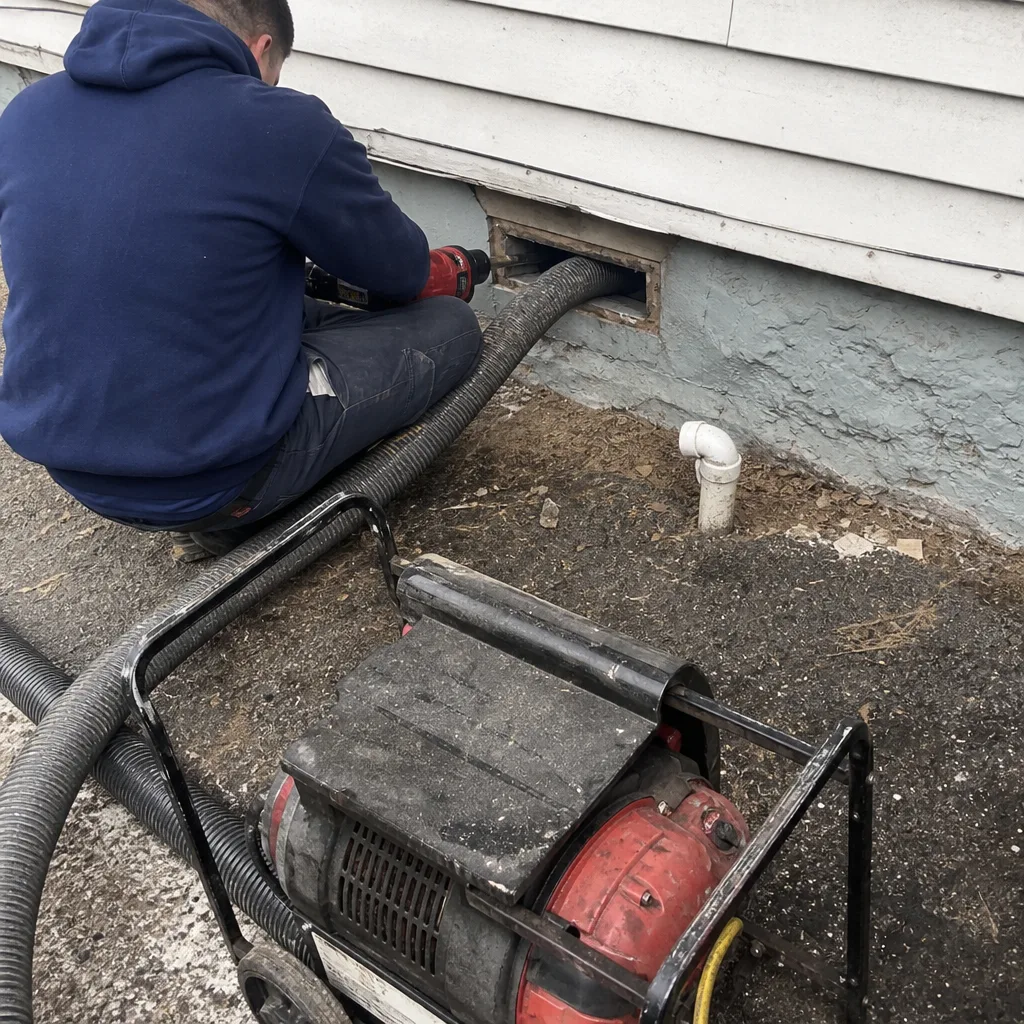 Before
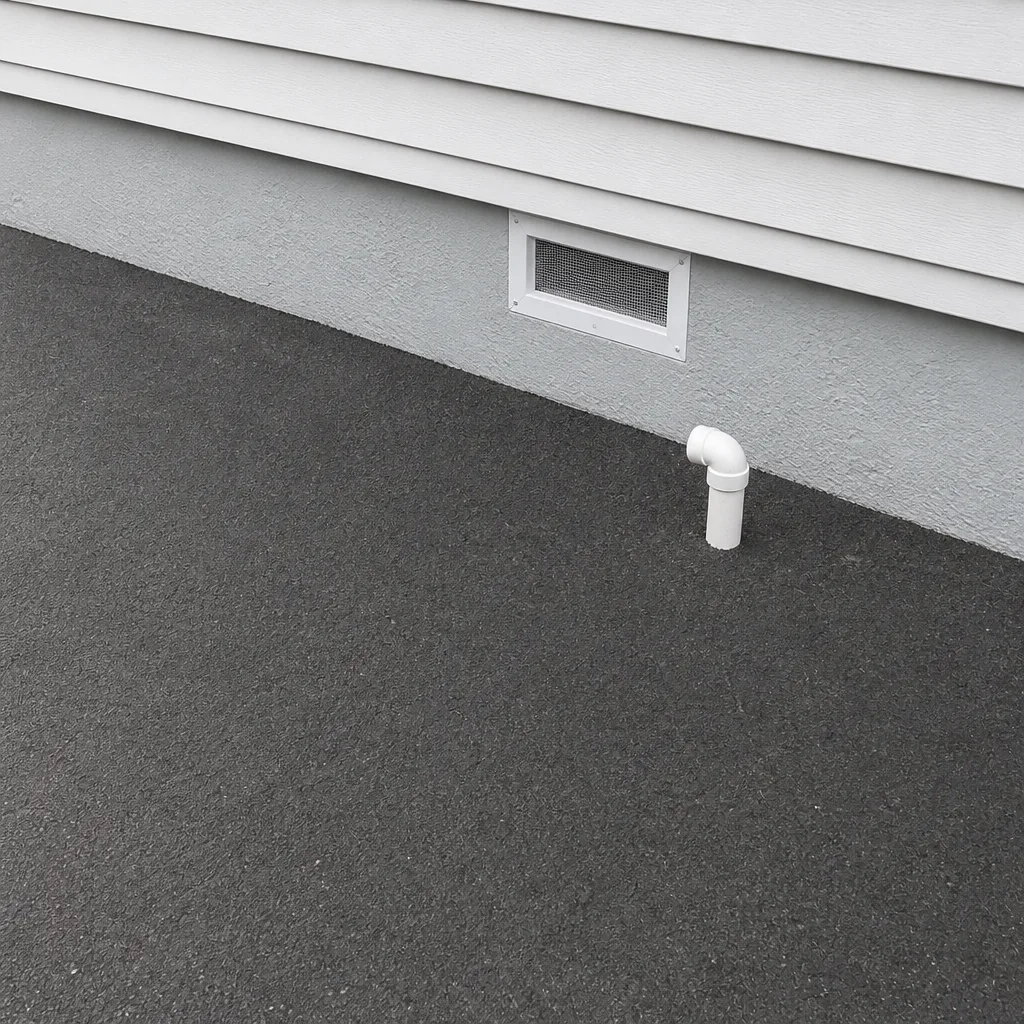 After
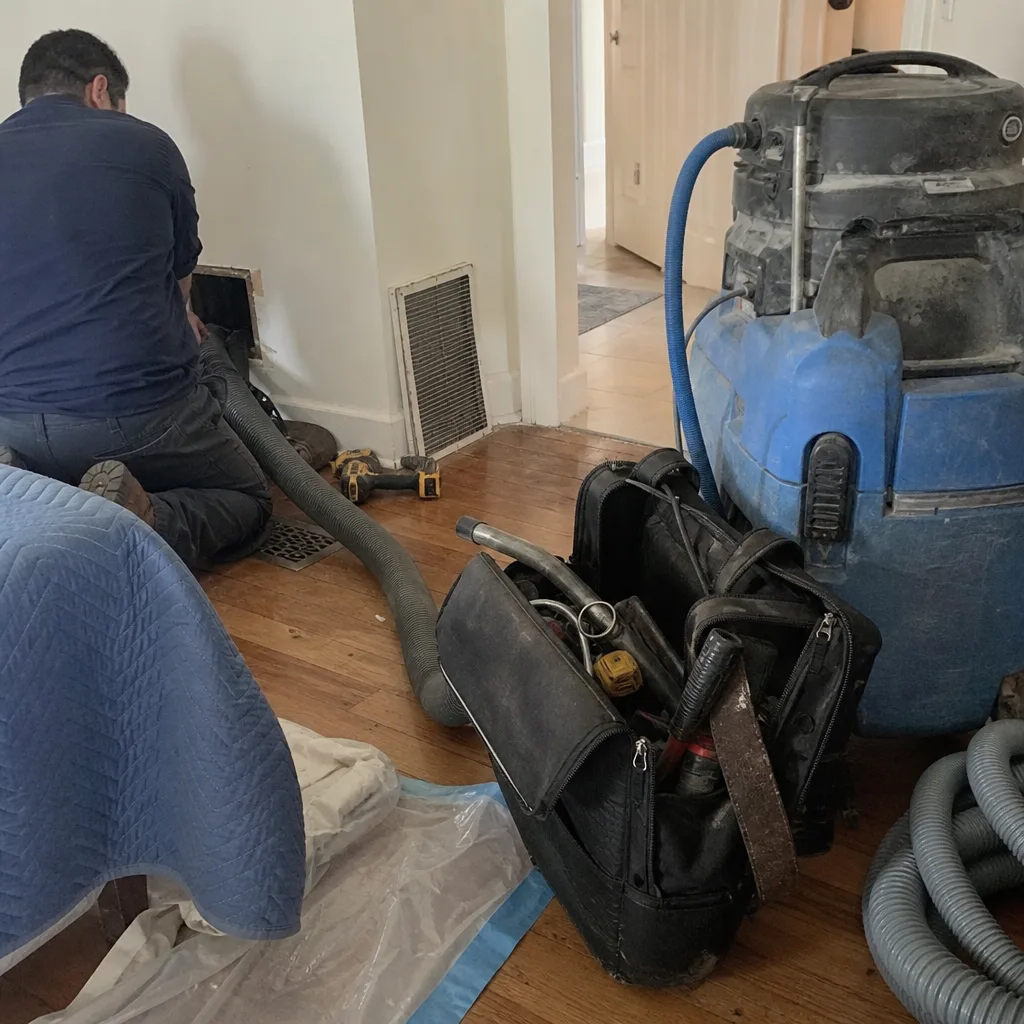 Before
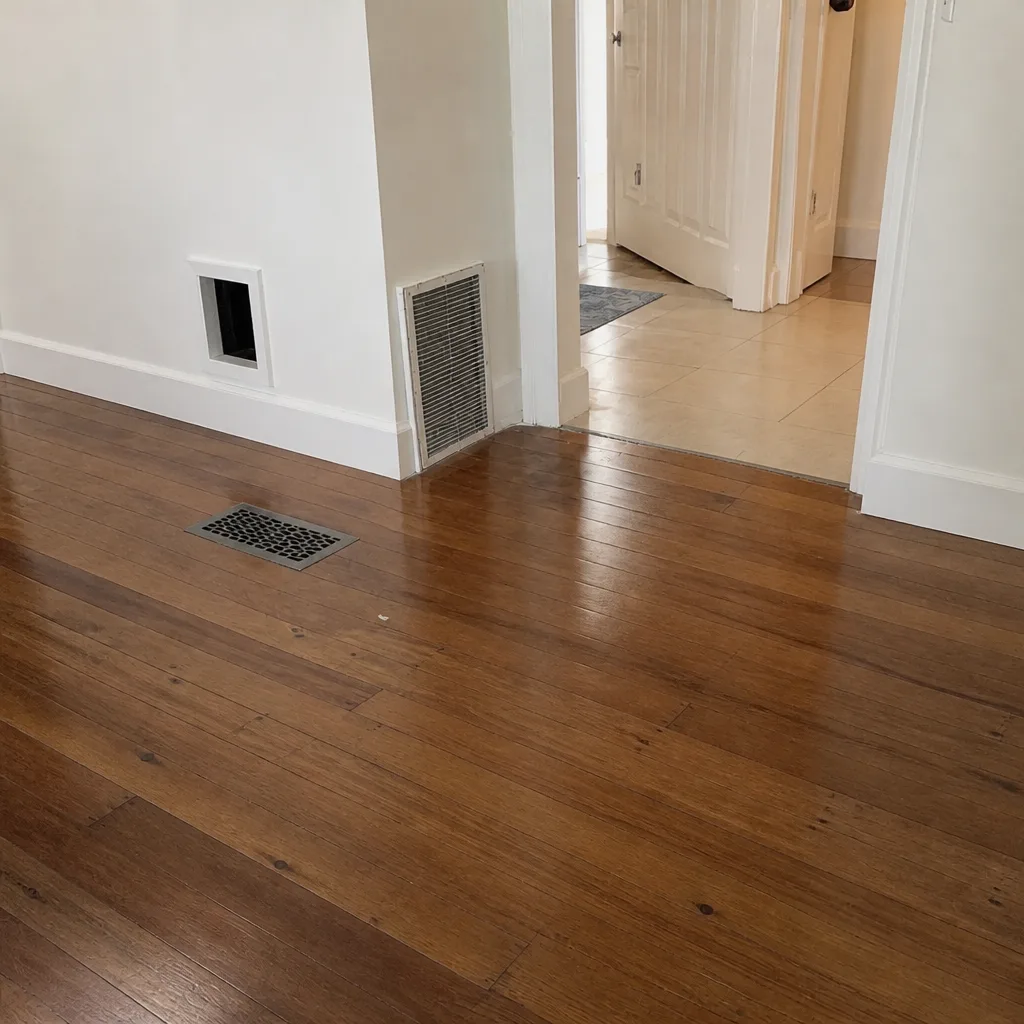 After
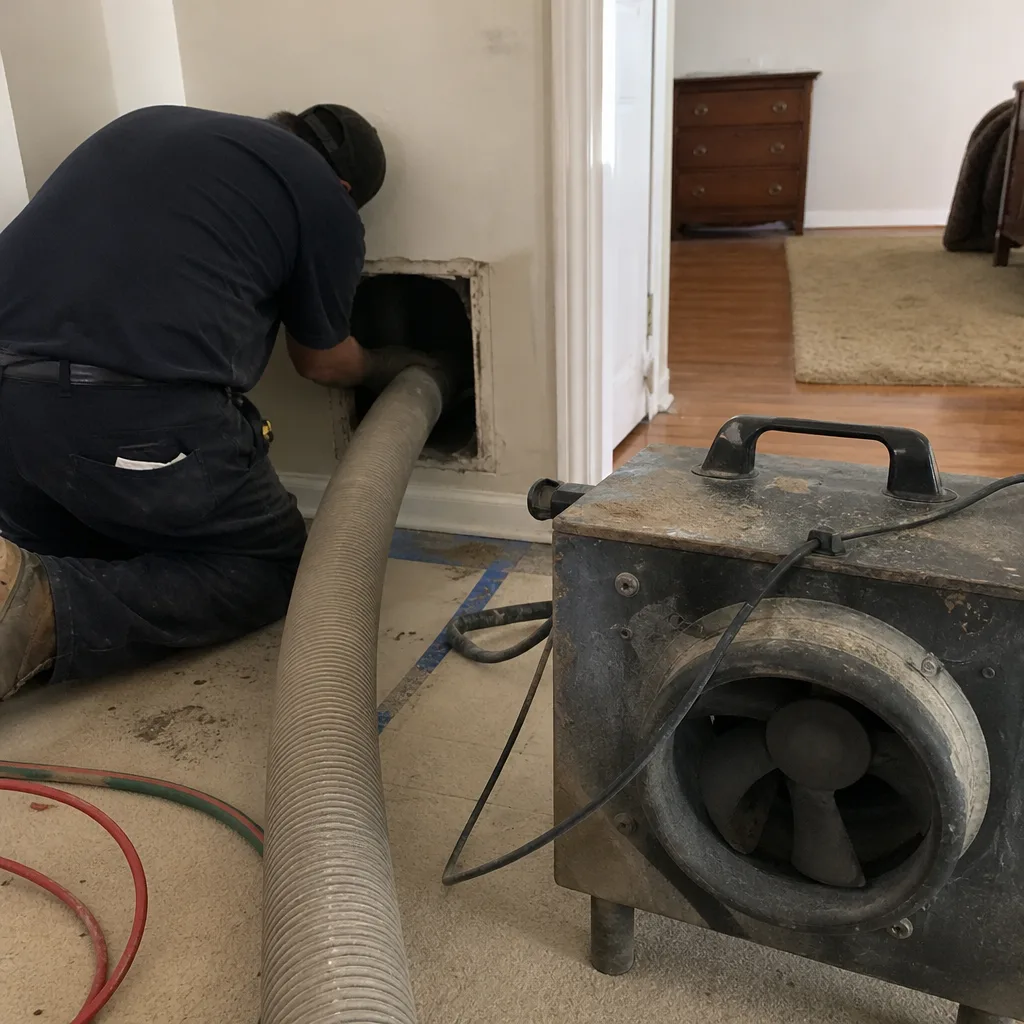 Before
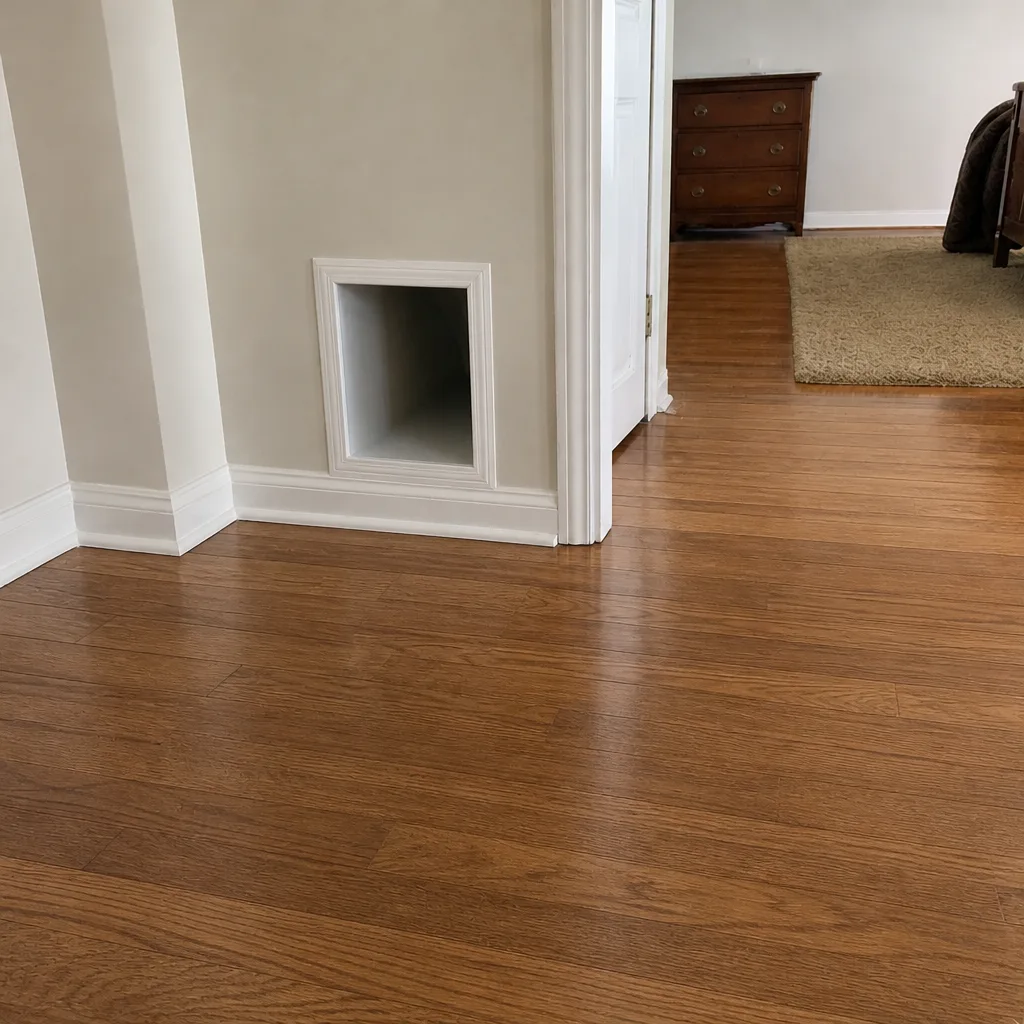 After
When to Call a Professional
Call a professional duct cleaning contractor when any of the following apply. Visible dust blowing from registers right after a filter change. Unexplained allergy symptoms in the household that worsen indoors. A recent renovation that generated construction dust (drywall, sanding, demo). A new home purchase where the previous owner’s cleaning history is unknown. Visible mold or moisture anywhere in a duct run. A persistent musty smell that returns after filters are replaced. Rodent activity in the attic or walls. Or simply a duct system that hasn’t been cleaned in many years and is starting to affect heating and cooling performance.
If your dryer takes two cycles to dry a load, that’s a separate system and worth checking too; call air duct cleaning to schedule an inspection that covers both duct work and the associated systems. Air Duct Cleaning Kingsbridge offers free estimates in Kingsbridge, so you can get a written scope in hand before deciding. Call (855) 658-4077 to book.
Frequently Asked Questions
Ask three specific questions: what rotary brush system they use (Rotobrush and Nikro are professional standards), what CFM rating their negative air machine runs at, and whether their exhaust is HEPA-filtered. A contractor who can answer these without hesitation is demonstrating the equipment serious standard this guide describes. One who responds with “we have all professional equipment” without naming anything is likely planning a shop-vac-level cleaning. Call (855) 658-4077 for an exact quote on your system – estimates are free.
No, NADCA membership is not required in New York, and duct cleaning is largely unlicensed as a category. It’s a useful floor signal (the contractor cared enough to join the trade association), but treat it as one factor among several. Equipment verification and a written scope with register count and linear footage matter far more than any badge. Call (855) 658-4077 to compare scope on a written estimate before you book.
Because they quote a different job. A very low quote typically assumes fewer registers, minimal brush work, no duct repair line item, no HEPA containment, and no access panel cutting. The clean version of the same ducts from an equipment-serious contractor covers all of those. Compare line items, not totals, and read every scope carefully before signing. Call (855) 658-4077 for an exact free estimate on your Kingsbridge system.
Watch the setup. A legitimate job connects the negative air machine to the system before any register or access point is opened, works each duct run with a rotary brush, inspects before closing, and shows you what came out. Ask for before-and-after documentation of the collection unit or a camera walkthrough of the ducts. If none of that happens, the job may not have been done. Call (855) 658-4077 to schedule a free estimate with a transparent process.
Most homes don’t need cleaning on a fixed schedule. The honest answer is: when the system shows signs of contamination. Recent renovation, persistent indoor allergy symptoms, visible dust at registers after a filter change, moisture or musty smell inside a duct, or many years since the last cleaning. Any of those warrant an inspection. A written estimate after inspection is the right decision point, not a calendar reminder. Call (855) 658-4077 for a free estimate.
Sometimes, when airflow restriction is the issue. Severe dust buildup in the return side, or blocked registers, can drag down efficiency. But cleaning alone won’t fix a failing blower motor, refrigerant charge issue, or undersized duct run. That’s why the HVAC cleaning service line matters: air handler, coil, and blower inspection sit alongside the ducts in any honest assessment. Call (855) 658-4077 for an exact quote combining duct and HVAC inspection.
The Bottom Line
Hiring an air duct cleaning contractor in Kingsbridge comes down to three questions and one document. The questions are your equipment check: rotary brush system brand, negative air machine CFM, HEPA exhaust. The document is your written scope: register count, linear footage, access panel cutting, sanitizer, and duct seal repair, with the price set by the estimate. A contractor who answers all three and puts the scope in writing is the one to hire, regardless of reviews or price. Skip the verification and you’re hoping. Run it and you’re deciding.
Air Duct Cleaning Kingsbridge is here to make that process easy. We use professional-grade equipment (Rotobrush, Nikro, Abatement Technologies) and apply Guardsman products on sanitizing work. We diagnose duct seal issues so cleaning and repair happen together. Call (855) 658-4077 for a free estimate on your Kingsbridge home. We answer 24/7, with fast dispatch from 7am to 7pm, Sunday through Friday.
Written by the team at Air Duct Cleaning Kingsbridge.