
Last updated November 22, 2026
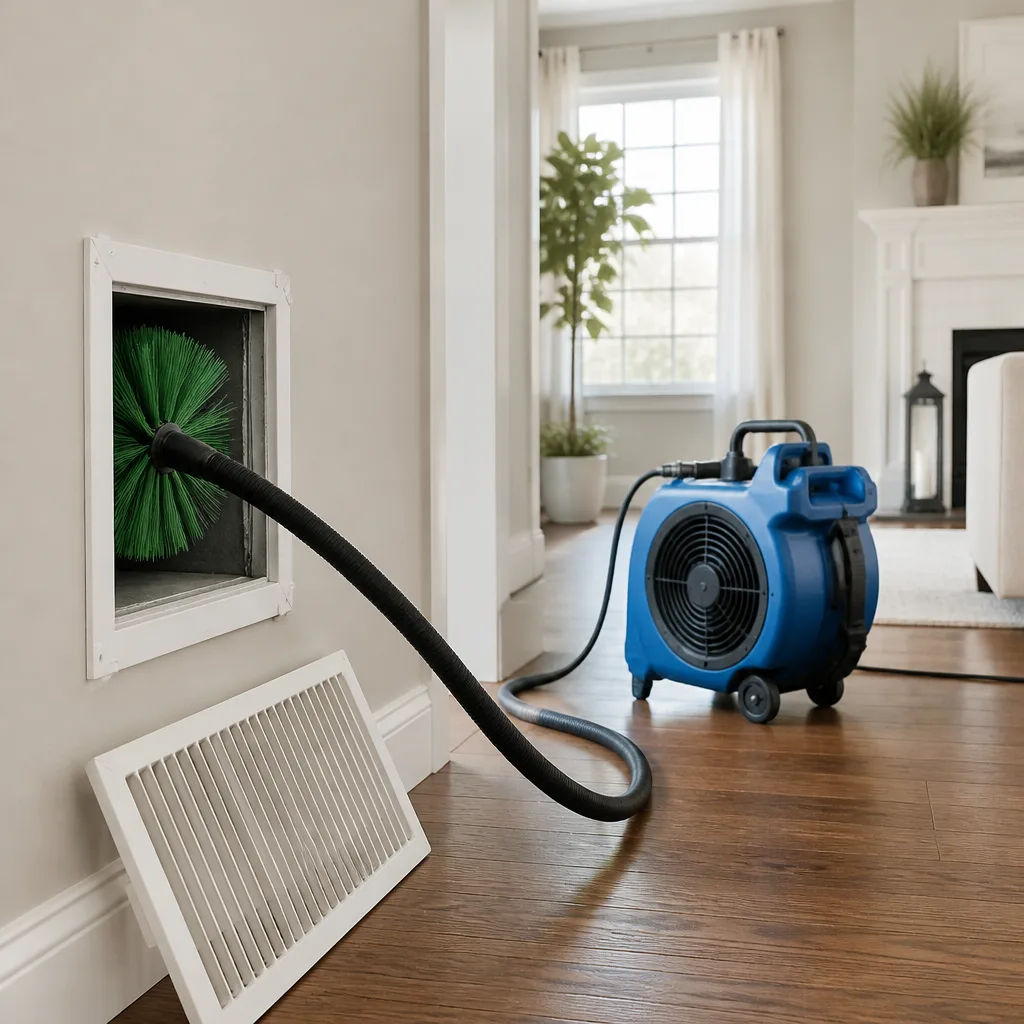 Whole-home duct cleaning
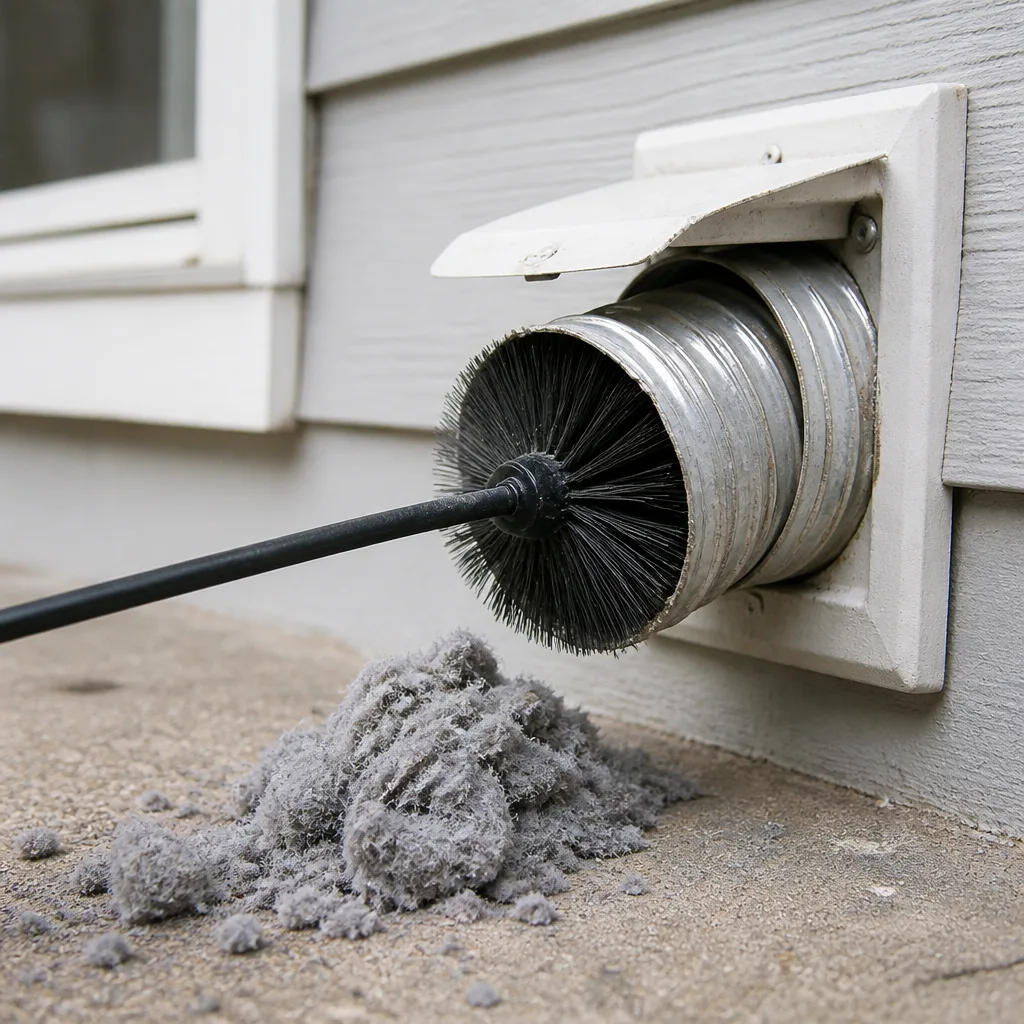 Dryer vent cleaning
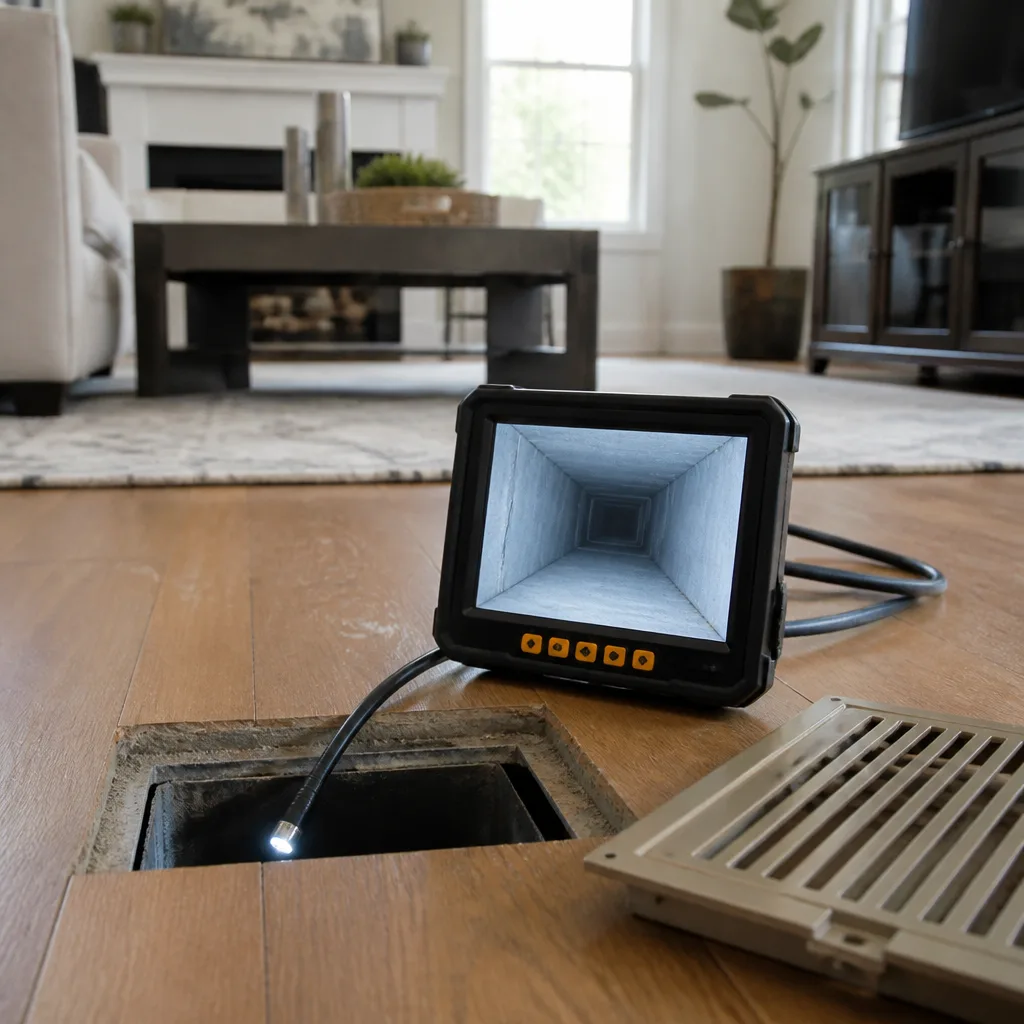 Camera inspection
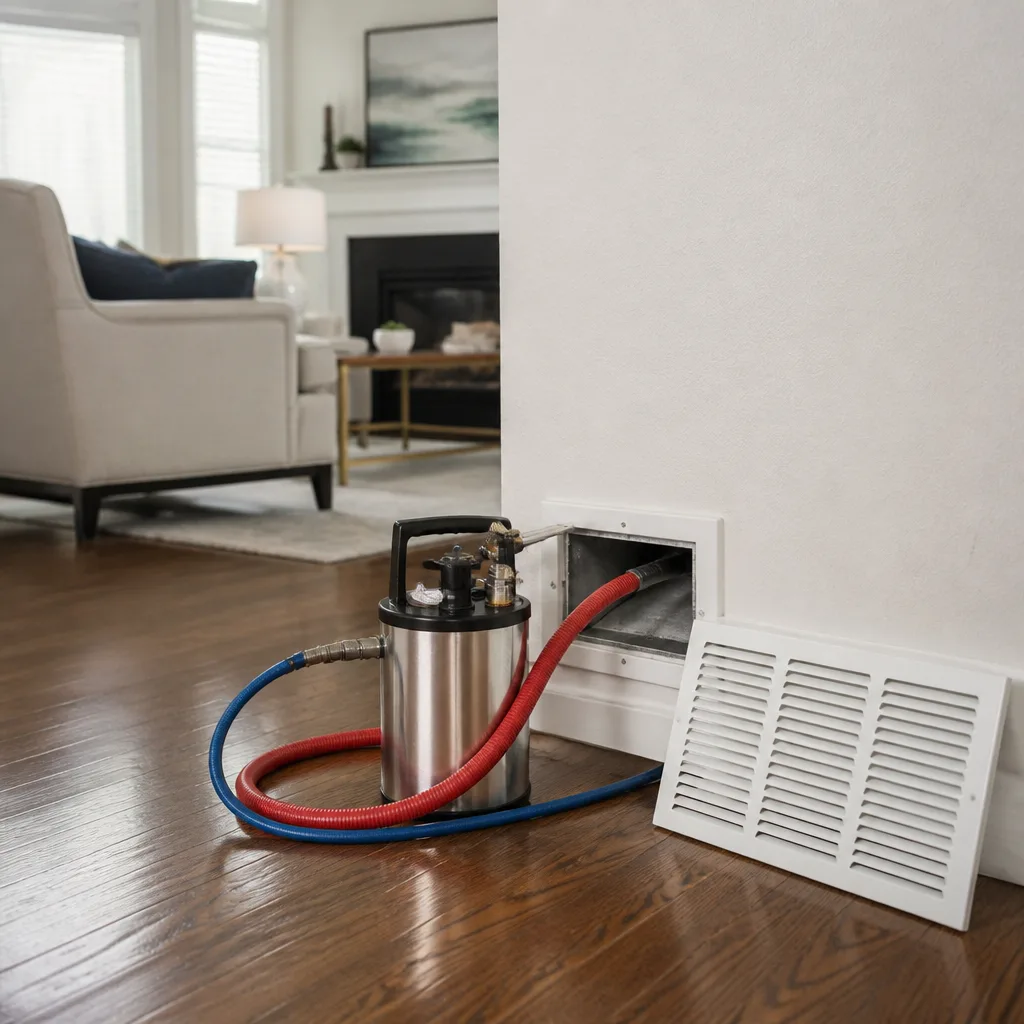 Sanitizing & deodorizing
Whole-system duct and dryer vent check with before-and-after photos - you see exactly what came out of your vents
That "$99 whole-house special" is a bait ad - the real number appears once they are in your hallway, or the "clean" is a shop-vac at the register. We photograph the inside of your ducts before and after instead.
DIY vs Professional Air Duct Cleaning: The Kingsbridge Homeowner’s Decision Guide
A consumer duct cleaning brush kit attached to a shop vac creates positive pressure inside the duct. That pressure pushes loosened debris further into the system instead of extracting it. This isn’t a scare tactic; it’s fluid dynamics. Most homeowners in Kingsbridge who try duct cleaning themselves are surprised by how much dust ends up back in the living room a day later. In this guide, we’ll explain exactly what a homeowner can accomplish with basic tools, where that work stops being useful, and what equipment a genuine professional cleaning requires in a Kingsbridge home. You’ll get a clear decision framework you can apply to your own house.
Quick Answer
DIY duct cleaning is worth doing for accessible register covers, filter changes, and the first stretch of a supply boot. Beyond that, real extraction requires negative air pressure equipment: a 1,500 CFM or better negative air machine with HEPA filtration, rotary agitation in the class of a Rotobrush system, and camera inspection. Without that equipment, cleaning agitates debris rather than removing it. For Kingsbridge homes with visible contamination, airflow complaints, or recent renovation dust, professional cleaning is the right starting point. For routine upkeep between professional visits, DIY work has a real place.
Styles & brands we work with
- Whole-home duct cleaning
- Dryer vent cleaning
- Camera inspection
- Sanitizing & deodorizing
Table of Contents
- Why Negative Air Pressure Is Non-Negotiable
- What DIY Duct Cleaning Actually Accomplishes
- When DIY Makes a Professional Job Harder
- The Equipment Threshold for a Legitimate Job in Kingsbridge
- The Decision Framework: DIY or Call a Pro?
- Post-Renovation and Post-Move Situations
- Keeping Ducts Clean Between Professional Visits
- Common Mistakes to Avoid
Why Negative Air Pressure Is Non-Negotiable
Every honest conversation about duct cleaning starts with air pressure. Dust and debris inside a duct system are loose. They settle on the bottom of horizontal runs, cling to the walls of vertical drops, and gather at every transition fitting. When you run a brush through a duct with a shop vac at the register, you are pushing air into the system. Some debris comes back with the vacuum, but a large share is knocked loose and carried deeper. That’s why a homeowner can spend an afternoon cleaning ducts and end up with more dust in the house than before they started.
Professional cleaning reverses the direction. A negative air machine connects to the system and pulls a strong, controlled vacuum through the entire duct network. Debris travels toward one collection point. The technician works from the farthest register back toward the machine, agitating the duct walls with a rotary brush or air whip so that loosened material is caught in the airstream rather than redistributed. The principle is the same as any cleanroom or abatement job: control where the particles go before you disturb them.
In a Kingsbridge home, that control matters because most duct systems here were built to serve tight floor plans where trunk lines run through finished spaces. When debris gets knocked into a trunk line, it often settles in a low run where the only access is a single register. The next time the furnace or air handler kicks on, that debris moves into the living room. We’ve seen this pattern many times in our experience: a homeowner tries a brush kit, notices a burst of dust, and then calls.
The reason negative pressure is non-negotiable comes down to a few physical facts:
- Loose dust moves with air. If the air is moving into the house, dust moves into the house.
- Duct interiors have joints, offsets, and elbows. Debris collects at these points and only a strong, sustained pull moves it out.
- Fine particles (the ones you can’t see) are the ones that stay airborne longest. A HEPA-filtered negative air machine captures them; a shop vac filter usually doesn’t.
- Containment matters as much as suction. Professional equipment includes HEPA filtration and, in contamination-sensitive jobs, Abatement Technologies air filtration equipment to keep particles out of the living space.
This is why any listing you read for air duct cleaning should mention the type of negative air machine and the filtration behind it. If it doesn’t, that’s a reasonable question to ask before booking.
What DIY Duct Cleaning Actually Accomplishes
A homeowner with basic tools can genuinely improve indoor air quality and airflow in a Kingsbridge home. The work just has a defined ceiling. Here’s what we tell people is realistic:
- Cleaning register covers and return grilles. Pop the cover off, wash it in a utility sink or with a hose, dry it, and put it back. This alone removes a surprising amount of settled dust before it re-enters the airstream.
- Replacing the HVAC filter on schedule. A fresh filter is the most effective single action most homeowners can take. The filter is doing the work you’re asking the ducts to do.
- Vacuuming the visible inside of a register boot. The first 12 to 18 inches of the supply boot – the metal box behind the register – is often reachable with a crevice tool. That area collects dust and small debris and can be cleaned safely.
- Clearing obvious surface debris from a return grille. Pet hair, dust bunnies, and lint on the grille face are easy to remove and worth removing.
- Vacuuming around the air handler intake. The floor and adjacent panel around an air handler or furnace gather dust. Keep them clear.
That’s genuinely a real contribution to indoor air quality. In Kingsbridge, where a lot of older housing stock has visible dust buildup around original return grilles, this kind of upkeep can visibly reduce surface dust between professional cleanings. It just doesn’t touch the trunk lines, the interior walls of the supply runs, or the air handler cabinet itself. Those are the areas that hold the majority of the dust load in most homes.
When DIY Makes a Professional Job Harder
There’s a specific category of problem that happens when a homeowner tries DIY and then calls a professional a few weeks later. It’s not common, but it’s serious enough to understand before you pick up a shop vac and a brush kit.
First, pushed-back debris. Brushing a supply run with positive pressure can move dust into a trunk line or a low run where it can’t be reached from the original register. The next professional cleaning then has more ground to cover, sometimes requiring additional access cuts, and the visible dust in the living space can spike before the problem is corrected.
Second, disturbed fiberglass liner. Interior duct liner – the soft, fibrous material inside some older duct systems – is easily damaged by consumer brush kits. Once torn or compressed, the liner loses its insulating and acoustic properties and can shed fibers into the airstream. That requires duct repair, not just cleaning.
Third, missed early-stage mold. Consumer brushes and shop vacs can’t see around a corner inside a duct. Surface mold growth in the first few feet of a supply run looks like a shadow from the register. A technician with camera inspection equipment can see the whole run and identify the difference between settled dust and active biological growth. When that initial growth is disturbed and left in place, it can spread into adjacent sections before the professional visit. That turns a straightforward cleaning into a sanitizing and possibly duct repair job.
None of this means DIY is dangerous. It means DIY has a hard stop at the point where visibility, pressure, and airflow direction matter. Past that point, the right tool is what determines the outcome.
The Equipment Threshold for a Legitimate Job in Kingsbridge
When we describe a professional duct cleaning in Kingsbridge, this is the equipment list that has to be present. It’s the same list regardless of which company shows up, and it’s the reason a proper cleaning looks different from a DIY afternoon at the register grille.
- Rotary agitation in the Rotobrush class. This equipment drives a spinning brush and air whip assembly through the duct interior, scrubbing the walls and knocking debris into the airstream. It reaches surfaces a handheld brush cannot. Rotobrush and Nikro are two of the most recognized equipment names in the profession for a reason, and their systems are what a real interior cleaning is built around.
- A minimum 1,500 CFM negative air machine with HEPA filtration. “Minimum” is the operative word here. Smaller machines don’t move enough air to pull debris out of a long trunk run, and machines without HEPA filtration simply relocate fine particles. The Abatement Technologies filtration and containment equipment we carry exists for this purpose: to keep the air outside the duct clean while the air inside is being cleaned.
- Camera inspection capability. A small camera on a flexible reel lets a technician see the inside of a duct run before, during, and after cleaning. This is how you know the work was done and where contamination actually is. It’s also how duct repair needs are identified early, before they become airflow problems.
- Access tools and containment. Zip-access through small cuts, HEPA vacuums for the living space, drop cloths, and in some cases negative pressure containment around the work area. All of this is what turns a rough job into a controlled one.
Beyond cleaning, the equipment lineup connects to HVAC cleaning and to duct repair and sealing. Once you’ve seen what’s inside a duct system with a camera, you know whether it needs cleaning only, or cleaning plus repair. That’s the point of “clean ducts, sealed ducts”: the two go together if you want the results to last.
The Decision Framework: DIY or Call a Pro?
Here’s the framework we use when a Kingsbridge homeowner asks whether they should try DIY first. It comes down to four questions.
1. Is there visible contamination?
If you can see dust buildup on more than the surface of a register, or you notice dark staining on the register face, or you find debris on the grille of the return, that’s a sign of a load inside the system that a shop vac can’t reach. Call a professional.
2. Is airflow a problem?
If some rooms are noticeably hotter or colder than others, or a specific register has weak airflow, that points to a blockage or a duct problem. Both of those need professional inspection. Brushing won’t solve them, and it can make them worse.
3. Has there been recent renovation work?
Drywall dust, sawdust, and construction debris are the most common triggers for a necessary professional cleaning in Kingsbridge. If you’ve had work done in the last six months, book a professional clean before running the system heavily.
4. Is it routine upkeep between professional cleanings?
If it’s been a few years since a professional visit, you know your ducts are in reasonable shape, and you just want to keep register covers clear and filters fresh, DIY work has a legitimate place. This is the maintenance between cleanings, not the cleaning itself.
To summarize:
- Visible contamination in the duct or on multiple grilles: professional.
- Airflow complaints, uneven room temperatures, or unusual noise: professional inspection.
- Recent renovation or move-in: professional.
- Musty or unusual smell when the system runs: professional.
- Routine register and filter upkeep: DIY is fine.
Post-Renovation and Post-Move Situations
These two scenarios are where the DIY-versus-professional question usually gets answered for a Kingsbridge homeowner. In both cases, the answer is normally the same: professional cleaning from the start.
After a renovation, the duct system has been pulling drywall dust for weeks. The dust doesn’t stay on the filter; fine particles pass through standard filters and coat the inside of the supply runs, trunk lines, and the air handler. A vacuum at the register can’t reach that dust load, and if you try to push it loose with a brush kit, you’ll redistribute it into the rest of the system. Professional cleaning uses negative pressure to pull the dust out, and camera inspection to verify the runs are actually clear. It’s also the moment to identify whether duct repair or sealing is needed, especially if new wall openings were made.
After a move-in, the same logic applies for a slightly different reason. You don’t know what the previous occupants did inside the system, and you don’t know when it was last cleaned. Some Kingsbridge homes have original duct systems that have never been accessed. A professional cleaning gives you a clean baseline, a camera record of the system, and a clear idea of any repairs needed before you live with the system long term.
In both cases, our technicians have up to 9 years of experience and can tell you exactly what’s inside the system before any work begins. “We show you what we find” isn’t a slogan; it’s the reason camera inspection is part of every job.
Keeping Ducts Clean Between Professional Visits
Once your ducts have been professionally cleaned, the goal shifts to keeping them that way. The work you do between cleanings is genuinely valuable, and it’s mostly what DIY duct cleaning is good for.
Here’s the routine we recommend for Kingsbridge homes:
- Check and change the filter on schedule. The interval depends on the filter’s rating and your household; pet owners and anyone with a lot of foot traffic through the house should check more often. Write the change date on the filter edge in marker.
- Clean register covers once a season. Pop them off, wash, dry, and replace. This takes half an hour for a typical home.
- Vacuum visible boot debris. Crevice tool, first 12 to 18 inches, once a season. Don’t try to go deeper with a consumer kit.
- Keep filters and return grilles clear of furniture. A blocked return chokes the whole system and pulls dust in ways the duct design didn’t intend.
- Watch for signs of trouble. New dust patterns, unusual smells, or airflow changes are your cue to call for inspection rather than try more DIY work.
- Consider better filtration. Filtration upgrades from brands like Honeywell and Aprilaire integrate with existing HVAC systems and add a layer of capture a standard filter can’t provide. If you have allergies or pets, this is worth discussing before your next cleaning.
The other service worth mentioning here is dryer vent cleaning, which has its own regular maintenance rhythm and is genuinely outside the DIY envelope for most homeowners. Skip the brush kits sold for dryer vents; the lint that accumulates in the elbows and at the exterior vent is dense, and the risk of pushing it tighter is real.
Common Mistakes to Avoid
- Using a shop vac’s filter bag thinking it stops fine dust. Standard shop vac filters let fine particles pass through. If you can’t tell the difference between visible dust and fine dust, you’re seeing the visible dust; the fine dust is still going somewhere. A HEPA-rated setup is the only way to capture it.
- Running the brush kit through a supply without checking the liner. Older Kingsbridge homes sometimes have interior fiberglass duct liner. Brushing that by hand at the wrong angle shreds it. Damage means duct repair, not just a cleaning.
- Blowing out dust with a leaf blower or compressed air. This is the most reliable way to seed the entire system with debris. No professional would do this, and no homeowner should try.
- Assuming the ducts are clean because the register covers look clean. Grille faces catch dust; the ducts carry it. The two don’t move in sync.
- Cleaning the ducts without cleaning the air handler. The furnace or air handler cabinet holds as much dust as the ducts. A duct cleaning that skips it leaves the largest contamination reservoir untouched.
- Skipping a professional cleaning after renovation. Drywall dust loads don’t self-clear. They cycle through the system until physically removed with negative air equipment.
- Treating a coupon quote as the whole price. A low advertised number often becomes a much larger invoice once the technician is on site. Ask for one flat price per system in writing before anything is scheduled.
See the difference
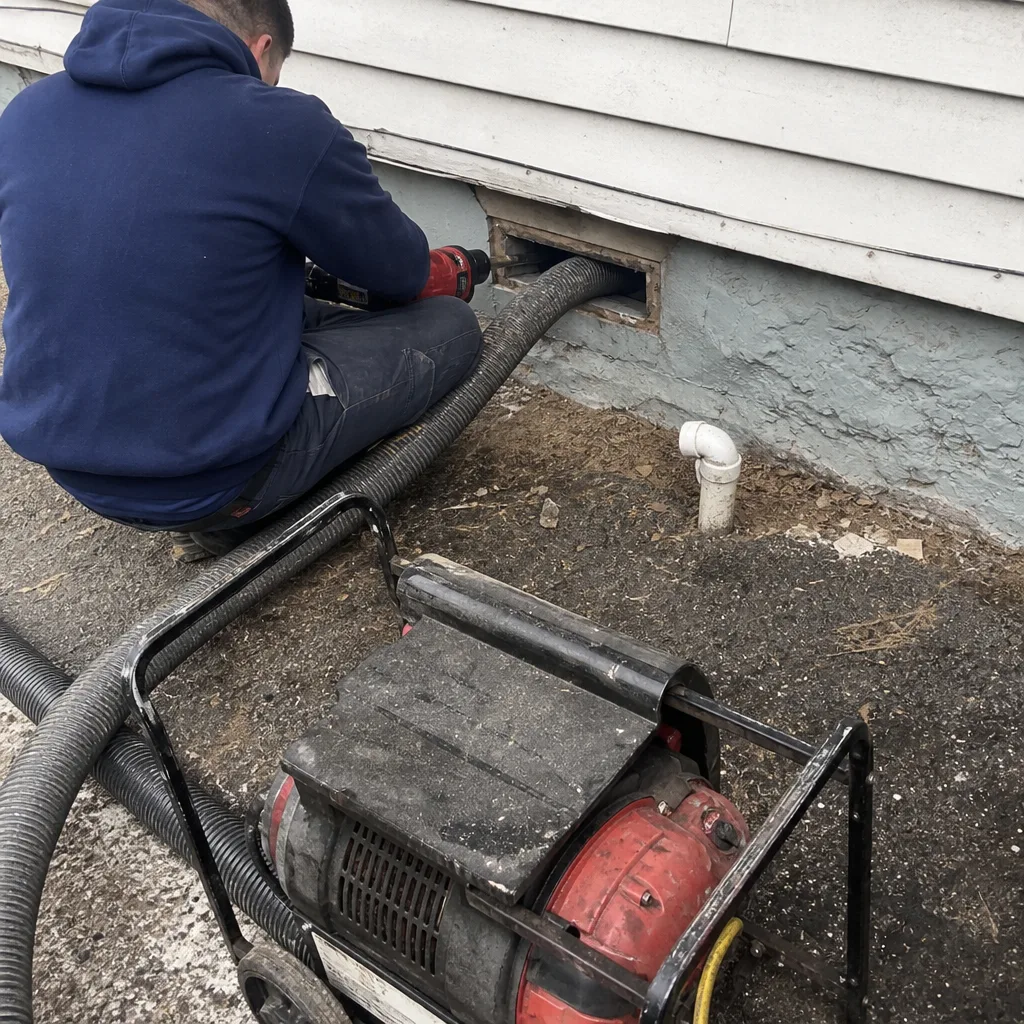 Before
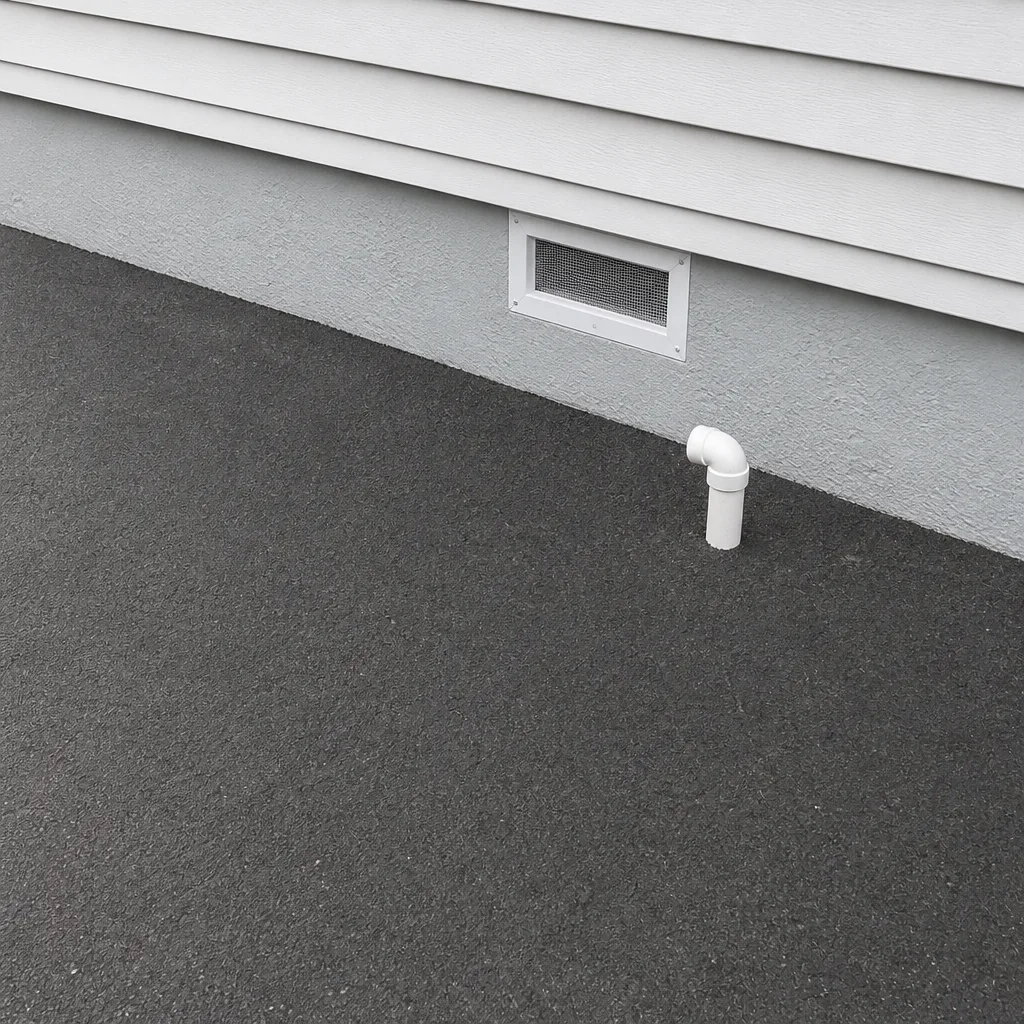 After
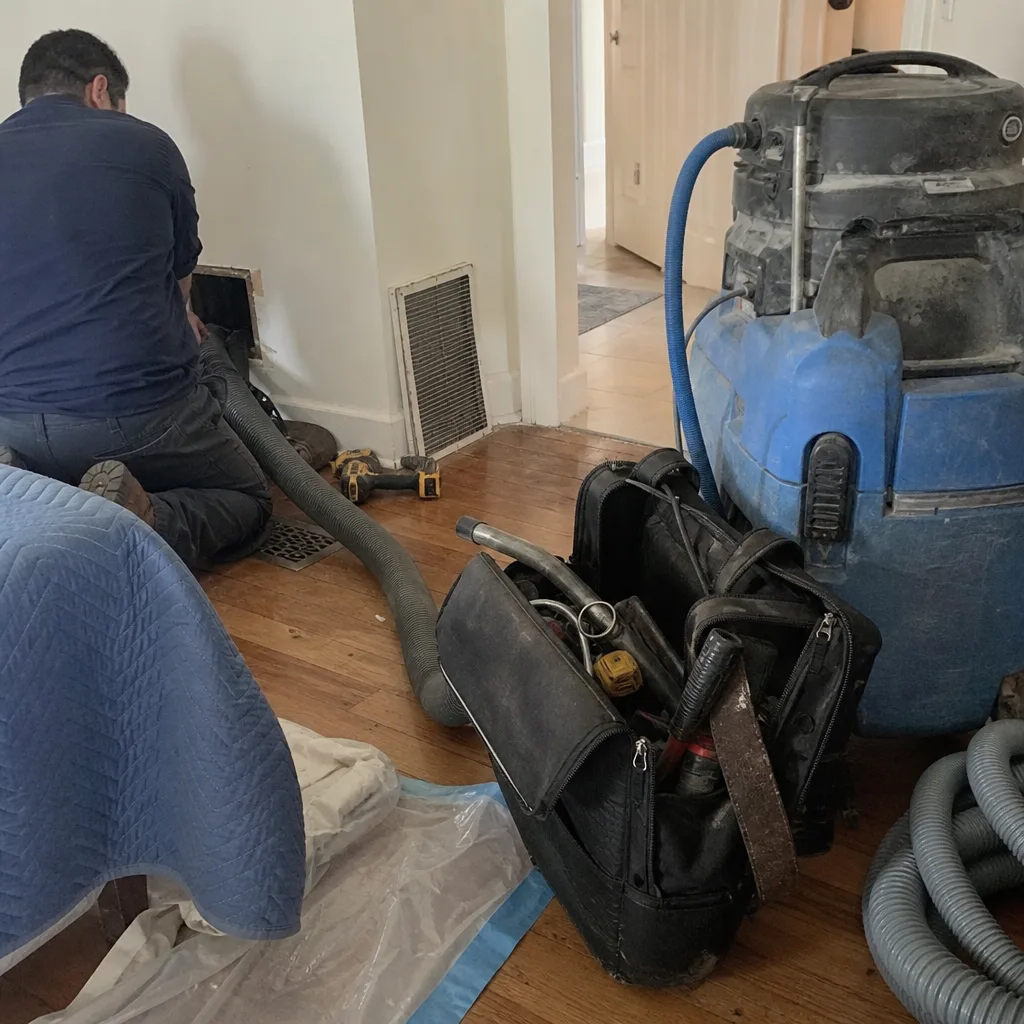 Before
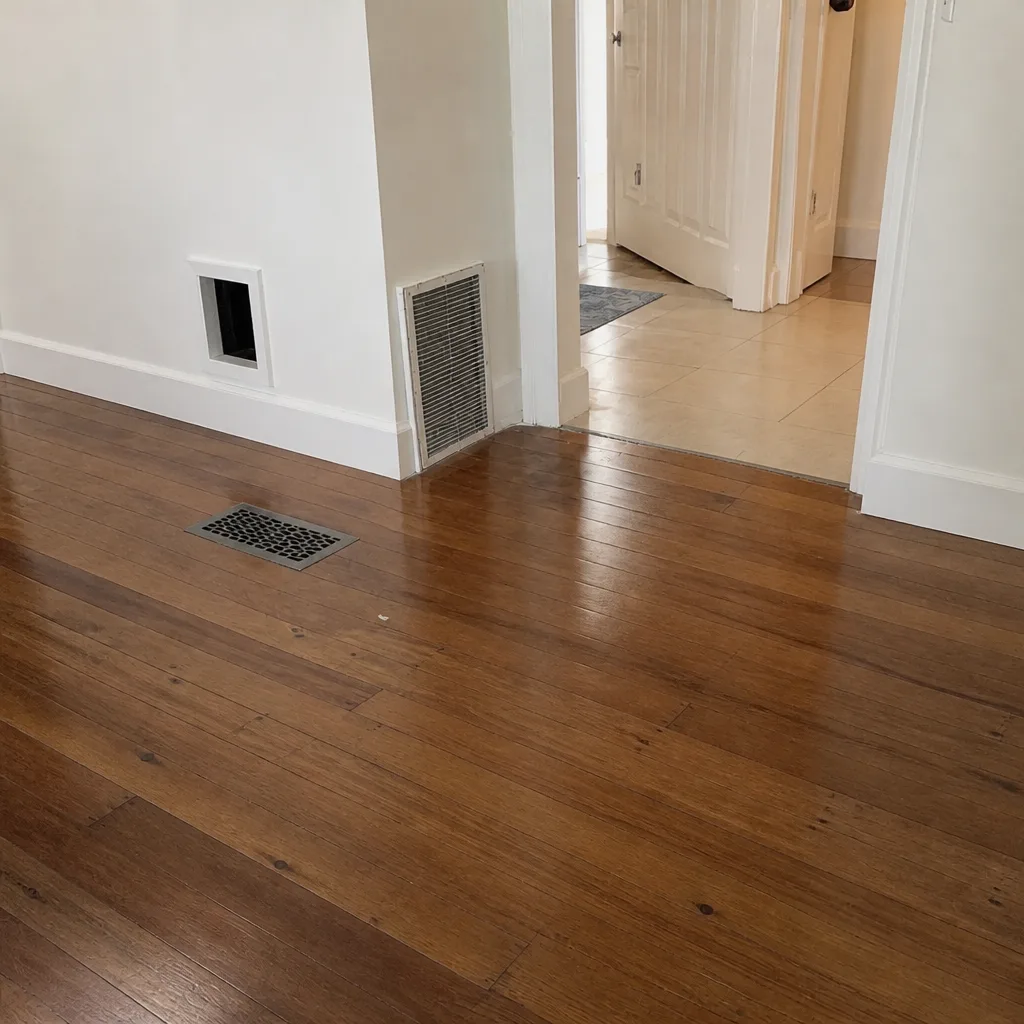 After
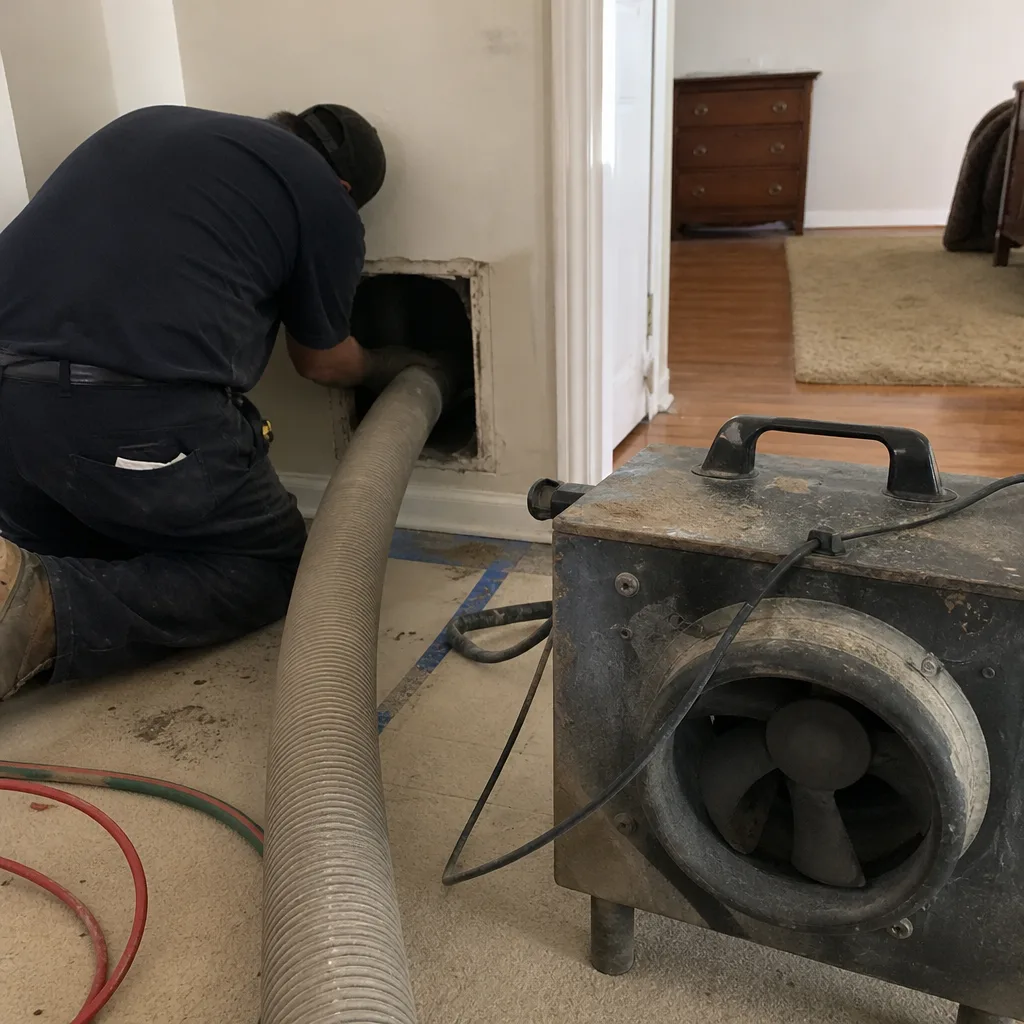 Before
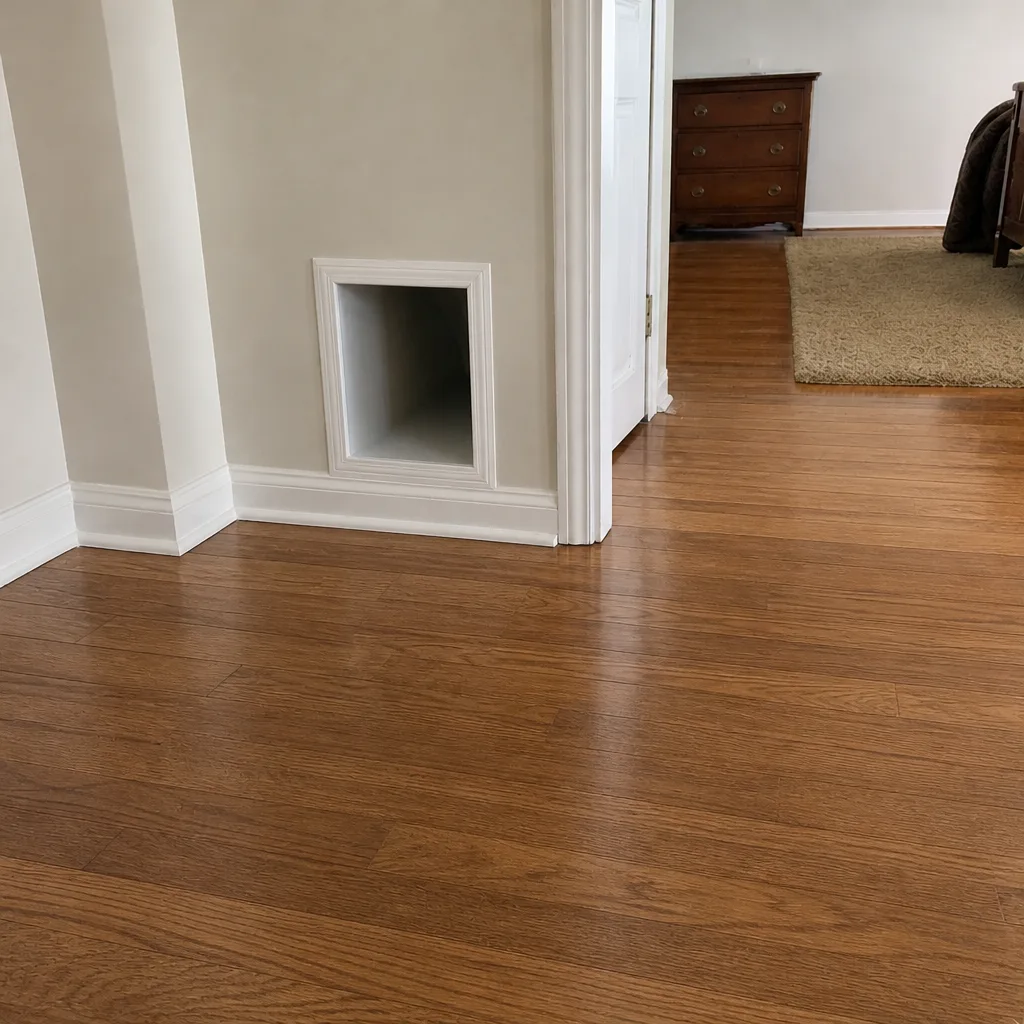 After
When to Call a Professional
Call a professional when any of these apply: visible contamination in more than one duct run, musty or dusty smells when the system runs, uneven airflow between rooms, recent renovation work, a move-in with unknown system history, visible mold near a register or in the air handler cabinet, or a duct system older than the rest of the HVAC equipment. Also call when you want to know whether duct repair or sealing is needed – that determination requires camera inspection, not a shop vac. In Kingsbridge, a professional cleaning is also worth booking before the heating season, so the system starts the winter with a clean baseline. Air Duct Cleaning Kingsbridge offers free estimates in Kingsbridge – call (855) 658-4077. We answer 24/7. Fast dispatch from 7am to 7pm, Sunday through Friday.
Frequently Asked Questions
You can clean your register covers, replace your filters, and clear the first 12 to 18 inches of your supply boots. You cannot reach the trunk lines, the interior walls of the supply runs, or the air handler cabinet. Consumer brush kits create positive pressure inside the duct, which pushes loosened debris deeper into the system instead of extracting it. For anything beyond surface and boot-level work, you need professional equipment.
Typical professional duct cleaning for a Kingsbridge home runs in the range most homeowners expect for a whole-system job: pricing depends on the number of registers, the condition of the system, and whether repair or sealing is included. Because prices vary by home, we set one flat price per system by written estimate after inspecting the system. Estimates are free. Call (855) 658-4077 for an exact quote.
Because what’s included is different. A very low advertised quote usually covers surface register cleaning only, not the interior trunk lines, not the air handler cabinet, not negative air extraction with HEPA filtration, and not camera inspection. The invoice on the day of the job often grows once the technician is on site and the actual condition is visible. Ask what equipment is used, whether camera inspection is part of the job, and whether the price is flat before booking.
Most Kingsbridge homes do well with professional cleaning every three to five years. Homes with pets, allergy sufferers, recent renovation dust, or heavy foot traffic often benefit from more frequent cleaning. If you’re unsure, ask for an inspection rather than scheduling a cleaning blind. Camera inspection will tell you whether the system actually needs work or whether routine maintenance is enough for now.
Ask for camera inspection before, during, and after the cleaning. A technician using camera equipment can show you the inside of a duct run on screen, and after the cleaning, the runs should look visibly different. Before-and-after photos of your own system are a reasonable request on any professional job. If a company can’t show you the inside of your ducts, that’s a sign the cleaning may not be thorough.
No, not in most cases. The risk isn’t injury; it’s that DIY agitates debris rather than removing it, and in some cases damages duct liner or disturbs early-stage mold growth that should be sealed and treated before it spreads. The only time you should stop and call a professional immediately is if you see visible mold, notice biological growth inside a register, or smell a strong musty odor when the system runs. Those need inspection before anything else.
The Bottom Line
DIY duct cleaning has a legitimate place in Kingsbridge homes: register covers, filter changes, and the first foot and a half of a supply boot. Past that, real extraction requires negative air pressure, HEPA filtration, rotary agitation equipment in the Rotobrush or Nikro class, and camera inspection – not a shop vac and a brush. The pattern that catches homeowners out is trying to extend the DIY range into the trunk lines and making the eventual professional job harder. If your home shows visible contamination, airflow complaints, recent renovation dust, or unknown system history, start with a professional inspection. One call covers it all: cleaning, HVAC, repair, and air quality. Written by the team at Air Duct Cleaning Kingsbridge.
Ready for a free estimate? Call (855) 658-4077. We answer 24/7. Fast dispatch from 7am to 7pm, Sunday through Friday. You’ll get one flat price per system agreed before work starts, before-and-after photos of your own ducts, and a satisfaction guarantee.
Written by the team at Air Duct Cleaning Kingsbridge.