
Last updated November 22, 2026
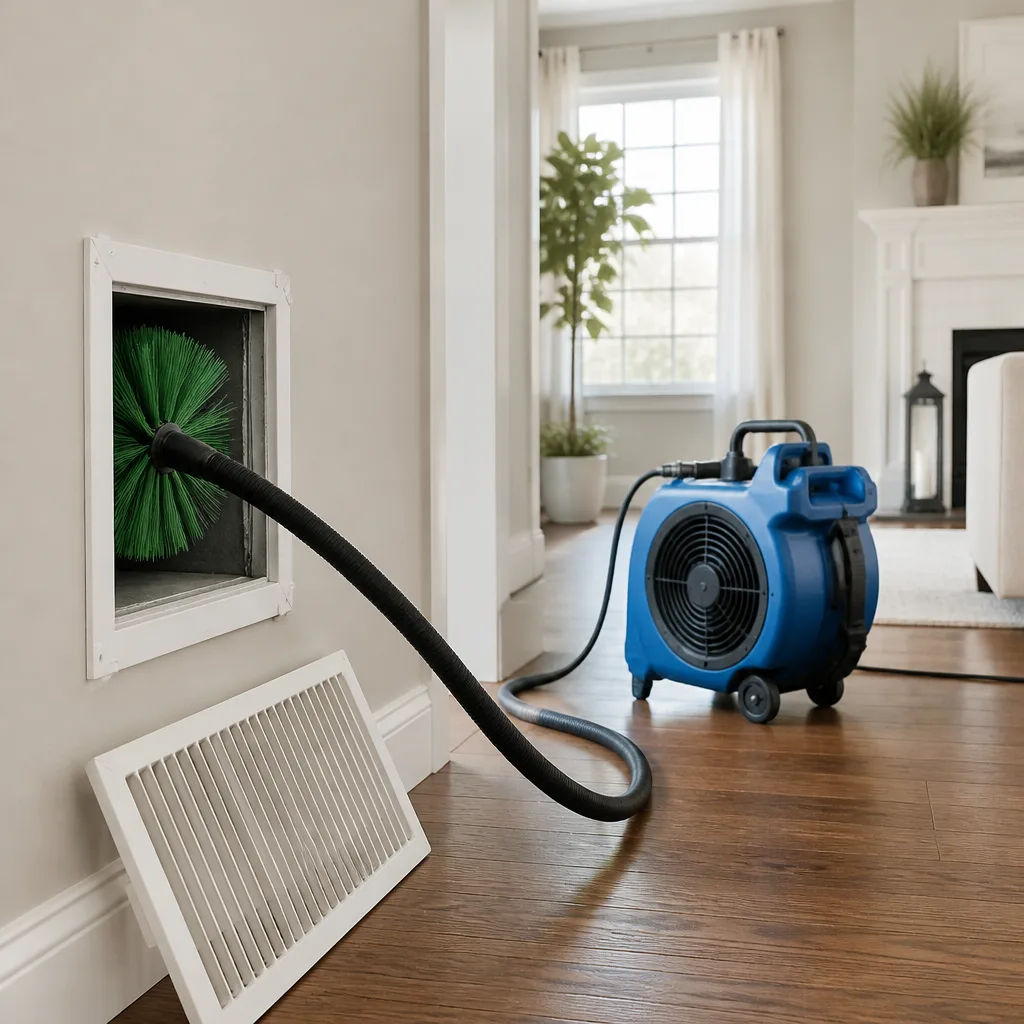 Whole-home duct cleaning
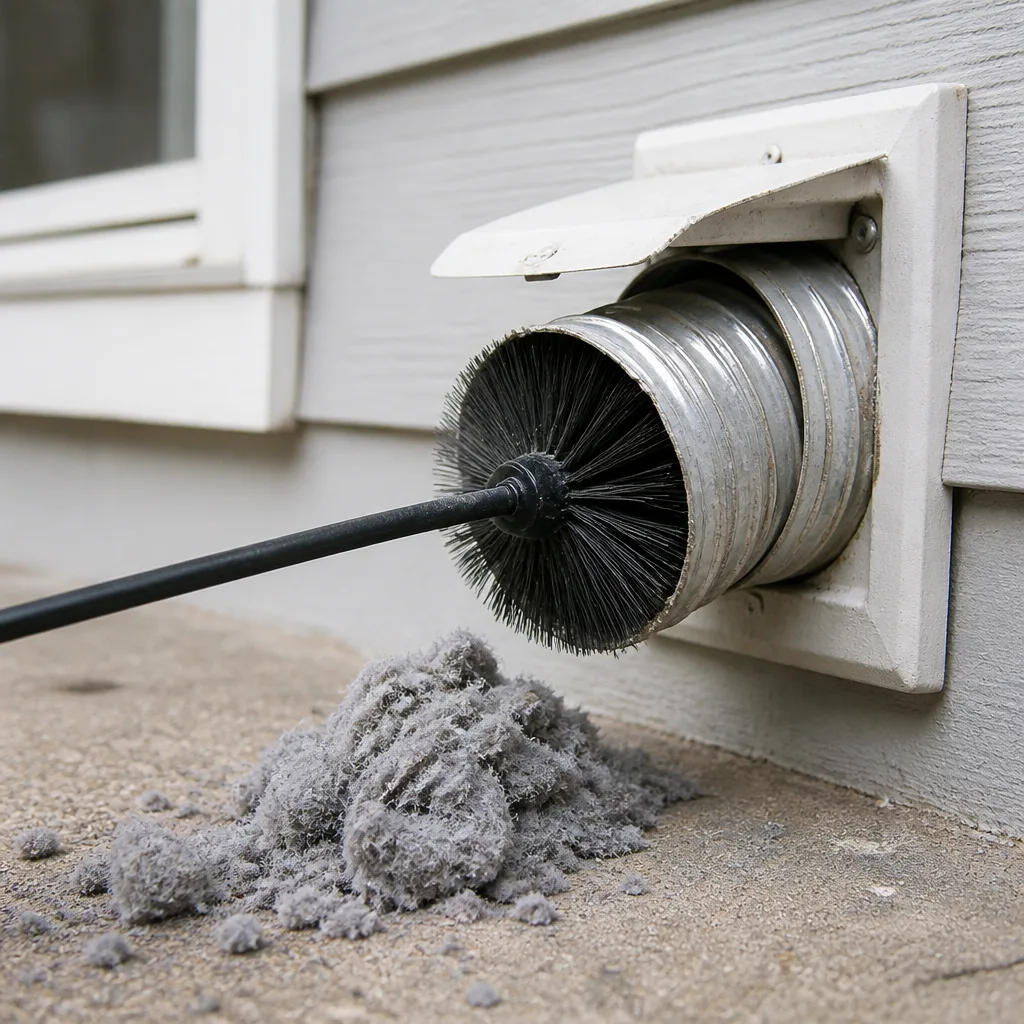 Dryer vent cleaning
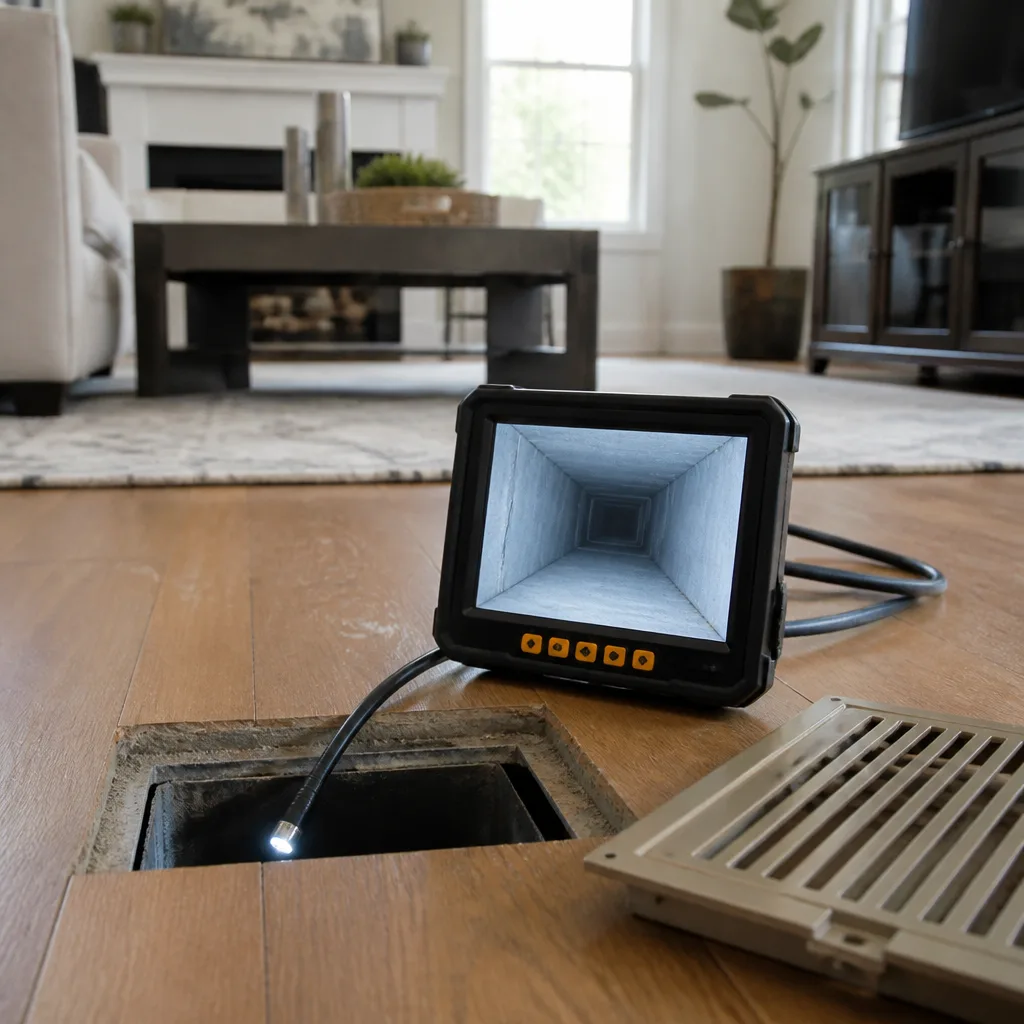 Camera inspection
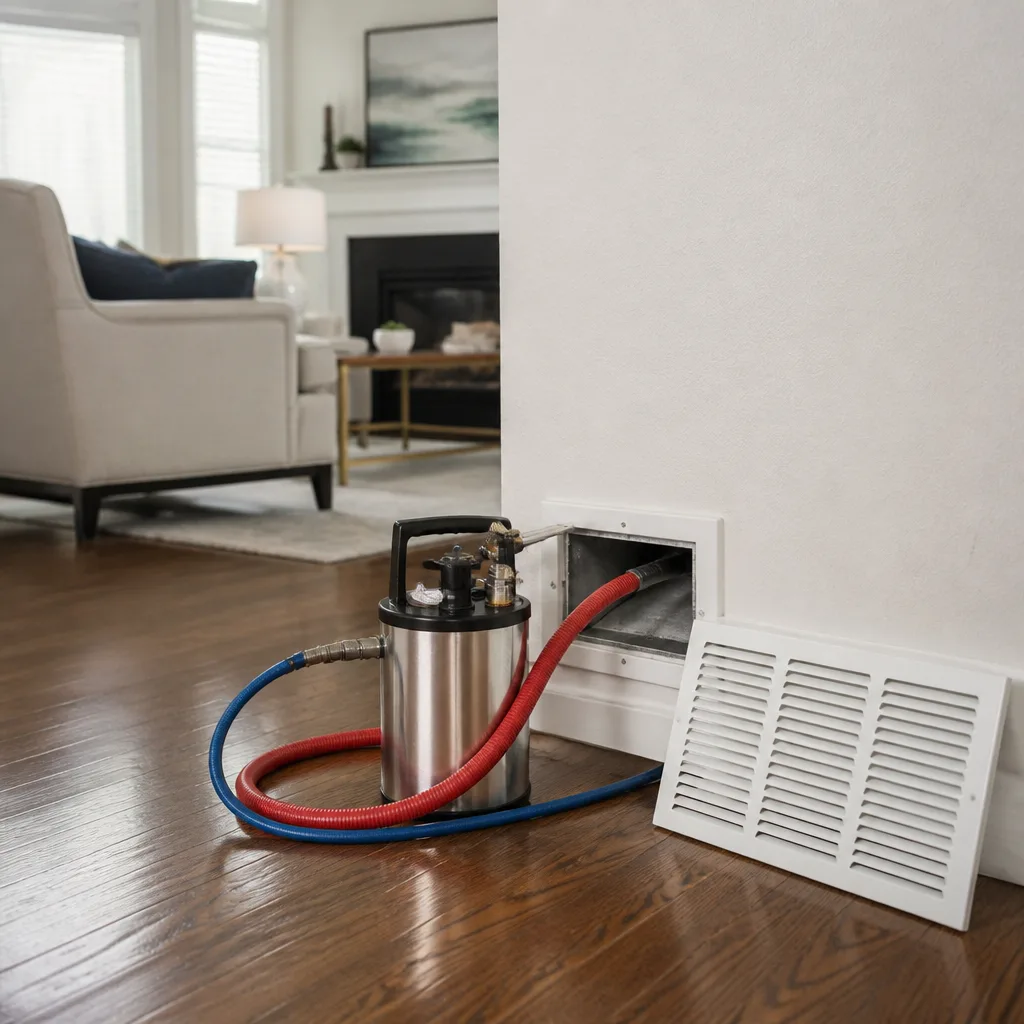 Sanitizing & deodorizing
Whole-system duct and dryer vent check with before-and-after photos - you see exactly what came out of your vents
That "$99 whole-house special" is a bait ad - the real number appears once they are in your hallway, or the "clean" is a shop-vac at the register. We photograph the inside of your ducts before and after instead.
The Complete Guide to Air Duct Cleaning in Kingsbridge
Most air duct cleaning guides read the same whether you live in a ranch house outside Phoenix or a walk-up off Broadway. That’s the problem. In Kingsbridge, the ducts in your building were shaped by a specific set of forces: pre-1980s construction, attached multi-family layouts with long horizontal runs, decades of heating-fuel changes, and some of the heaviest diesel traffic in the Bronx moving along the Major Deegan. Those factors change what’s actually sitting inside your ductwork and, more importantly, how a proper cleaning has to be done. This guide walks through it from the duct inward: what accumulates here, why the typical low-bid job misses it, what contractor-grade equipment actually does differently, and how to tell a real cleaning from a surface one before you pay for either.
Quick Answer
Air duct cleaning in Kingsbridge means removing accumulated dust, debris, and contamination from the entire duct system, not just the visible vents, and it only works when it’s done with contractor-grade equipment under negative air pressure and followed by an inspection. In older Kingsbridge homes and multi-family buildings, that usually also means checking for deteriorated flex duct, unsealed joints, and shedding fiberglass liner before any cleaning begins. A complete job covers cleaning, sanitizing, sealing, and verification; anything less is a surface treatment.
Styles & brands we work with
- Whole-home duct cleaning
- Dryer vent cleaning
- Camera inspection
- Sanitizing & deodorizing
Table of Contents
- Why Kingsbridge Ducts Load Up Differently
- What Pre-1980s Housing Means for Your Duct System
- Why Equipment Matters: Rotobrush and Nikro vs. Shop-Vacs
- Negative Air Pressure and Why It Keeps Debris Out of Your Living Room
- What a Full-Scope Job Includes (and What a Low-Bid Job Doesn’t)
- The Kingsbridge Triggers: When to Schedule a Cleaning
- How a Professional Cleaning Actually Goes, Step by Step
- How to Choose a Duct Cleaning Company in Kingsbridge
Why Kingsbridge Ducts Load Up Differently
Kingsbridge sits in a part of the Bronx where two things converge: dense, older housing and heavy vehicular traffic. The Major Deegan Expressway runs along the neighborhood’s western edge, and the diesel exhaust, brake dust, and fine particulate that corridor produces doesn’t stay on the roadway. It settles on building envelopes, gets drawn in through return-air intakes, and over time works its way into the duct system. Add in the normal load from cooking, pets, and foot traffic, and you get a particulate profile that’s heavier and finer than what a suburban home of the same age sees.
That matters because the size of the particles changes how you remove them. Coarse dust and hair collect in return trunks and settle in low spots. Fine particulate, the kind tied to combustion and road wear, stays suspended longer and coats duct walls and the interior of the air handler. A cleaning that only vacuums the obvious debris leaves the fine coating behind, and it re-enters the airstream the moment the system runs again.
There’s a second Kingsbridge factor: the housing itself. Much of the neighborhood’s residential stock is attached or semi-attached, with multi-family buildings sharing walls and sometimes sharing the same mechanical chases. Long horizontal duct runs, common in these layouts, give debris more surface area to cling to and more distance to travel before it reaches a register. Blowing air through a long run without agitation just moves the problem from one end to the other.
So the cleaning approach has to match the building. In our experience, a Kingsbridge job calls for mechanical agitation inside the duct, containment under negative pressure, and an inspection that catches structural problems before the equipment goes in. That’s the difference between cleaning a system and simply disturbing it.
What Pre-1980s Housing Means for Your Duct System
Older construction isn’t automatically a problem, but it changes what a duct cleaning has to find. Much of the housing in Kingsbridge dates to an era when duct systems were built with materials and methods that have since aged. Before a professional cleaning can do its job, those conditions need to be identified, because cleaning around a structural flaw can make it worse.
The three things we look for most often in older Kingsbridge systems:
- Flex duct deterioration. Flexible duct has an inner liner that can tear, sag, or separate from its fittings over time. Once the liner is compromised, the duct loses efficiency and can shed material into the airstream. Cleaning a deteriorated flex run without addressing it pushes debris deeper or damages it further.
- Unsealed joints. Older duct systems were often assembled with little or no sealing at the joints. That means air escapes into wall cavities and attics, and dust gets drawn in through the same gaps. Cleaning without sealing leaves the system ready to re-contaminate.
- Fiberglass liner shedding. Internal fiberglass lining, common in older duct systems, breaks down with age and heat cycling. Loose fibers end up in the airstream and settle in registers. This needs to be identified, and in some cases the liner needs repair or replacement before cleaning is worthwhile.
None of this is meant to alarm you. Most older Kingsbridge duct systems can be cleaned and brought back to good working order. The point is that the inspection has to come first, and the company you hire has to be able to do something about what it finds. That’s why we handle duct repair and sealing alongside cleaning, so a cleaned system is also a sound one.
Why Equipment Matters: Rotobrush and Nikro vs. Shop-Vacs
Here’s a question worth asking before you hire anyone: what equipment will be in my home? It’s the single biggest predictor of how thorough the job will be. A shop-vac or a rented blower is a shop-vac or a rented blower, no matter how it’s described on the estimate. Contractor-grade duct cleaning equipment is built differently and does a fundamentally different job.
We use Rotobrush and Nikro systems, two of the most recognized professional duct cleaning equipment brands in the industry. Here’s why that matters for a Kingsbridge home specifically.
Mechanical agitation inside the duct
The Rotobrush system, including the BrushBeast, uses a rotating brush head on a flexible shaft that travels the length of the duct run. The brush physically scrubs the duct walls, loosening the fine particulate coating that air alone won’t move. In the long horizontal runs typical of Kingsbridge attached homes, that mechanical contact is what reaches the far end of the run. A vacuum without agitation pulls only what’s already loose.
High-volume extraction for fine particulate
Nikro vacuum systems are built for sustained airflow and HEPA-level filtration, so the material the brush dislodges gets captured rather than recirculated. Consumer vacuums lose suction quickly under load and their filters can’t hold fine dust. The result is a job that looks done until the system runs again.
Containment and filtration on site
We also carry Abatement Technologies air filtration and containment equipment. Its presence during a job is a sign that the company is thinking beyond surface cleaning: contamination is managed, not just moved. For buildings where occupants have respiratory concerns or where a renovation left heavy debris, that level of containment is the difference between a clean home and a dusty one by the end of the day.
Negative Air Pressure and Why It Keeps Debris Out of Your Living Room
When you agitate the inside of a duct, debris goes airborne. The question is where it goes next. Without containment, it drifts back into your home, settles on furniture, and lands in the same return-air system you just cleaned. That’s the trap with a “blow-and-go” approach: the work gets distributed rather than removed.
Negative air pressure solves this. A HEPA-filtered negative air machine draws air out of the duct system and exhausts it through a filter, dropping the pressure inside the ductwork below the pressure in the room. When the pressure inside the duct is lower than the room, air flows inward. Dislodged debris moves toward the extraction point instead of escaping into the living space. On a multi-family job in Kingsbridge, where apartments share walls and corridors, that containment is what allows the work to happen without disturbing neighbors.
The setup is intentional, not improvised. Here’s the sequence we follow:
- Inspection first. Camera and visual inspection to locate contamination and check duct condition before any equipment goes in.
- Containment. Negative air machines and HEPA filtration are positioned at key supply and return points.
- Agitation. The Rotobrush brush head scrubs duct walls along each run while negative pressure holds the debris.
- Extraction. A Nikro vacuum pulls the loosened material through the HEPA filter, removing it from the home.
- Sanitizing. A Guardsman antimicrobial treatment is applied where the inspection showed microbial activity, not as a blanket spray on every job.
- Verification. A post-job inspection confirms what was removed and what changed, with photos so you can see the before-and-after.
Every step exists for a reason. Skipping the containment or the verification is what separates a cleaning you can trust from one you have to take on faith.
What a Full-Scope Job Includes (and What a Low-Bid Job Doesn’t)
A low-bid duct cleaning in Kingsbridge usually means one of two things: a price that’s too good to be a real whole-system job, or a job that turns into a much bigger invoice once the technician is on site. Both come from the same place: the bid doesn’t account for what’s actually involved. The reliable way to avoid the bait-and-switch is to ask what’s included before anyone shows up, and to insist on a single price per system agreed in writing before work begins.
Here’s how a full-scope job compares with what most low-bid competitors deliver.
Full-scope includes:
- System inspection with documentation of what’s found
- Containment under HEPA-filtered negative pressure
- Mechanical agitation of every accessible duct run
- Extraction through contractor-grade equipment (Rotobrush, Nikro)
- Sanitizing with EPA-registered antimicrobials where indicated (Guardsman products)
- Duct repair and sealing of identified gaps and joint failures
- Air handler and blower cabinet cleaning as part of HVAC cleaning
- Post-job inspection with before-and-after photos
- Filtration and humidity recommendations, often tied to Honeywell or Aprilaire components already installed or worth upgrading
Low-bid competitors often deliver:
- Vacuuming at the registers only, with no agitation inside the duct
- No containment, so debris ends up in the living space
- No inspection before or after the job
- A bait price followed by added charges once on site
- No sealing, so the duct system re-contaminates within months
- No documentation you can review later
When a duct system in Kingsbridge is cleaned and then sealed, it stays clean. Cleaning alone is temporary. That’s why we won’t stop at cleaning; the repair and sealing step is where the results last.
The Kingsbridge Triggers: When to Schedule a Cleaning
Not every duct system in Kingsbridge needs cleaning on a fixed schedule. Some do need it sooner than the general advice suggests, because of what’s specific to this neighborhood and this housing stock. Here are the triggers we tell people to watch for.
Proximity to the Major Deegan corridor
Buildings closer to the expressway take in more fine particulate from traffic. If your unit faces the corridor, or if your return-air intake is on that side of the building, you’re pulling more dust into the system than a comparable unit a block away. That doesn’t mean you need to clean constantly, but the interval between cleanings may be shorter.
Oil-to-gas boiler conversions
When a building converts from oil to gas heating, residue from the old system can linger in the mechanical areas and ductwork. The combustion byproducts and soot from decades of oil firing don’t always get cleaned out during the conversion. If your building converted in the past several years and you haven’t had the duct system looked at since, it’s worth an inspection.
Post-renovation debris loading
Any renovation in an occupied building loads the duct system with drywall dust, sawdust, and insulation fibers. Even a small interior job pushes material into the returns. Clean after the renovation, not before, and make sure the cleaning includes the air handler and blower, not just the visible runs.
Other signs to watch for
- Visible dust streaking at the registers, or dust settling quickly after you clean
- Musty or stale odors when the HVAC system first kicks on
- Unexplained allergies or respiratory irritation that improve when you’re away from home
- Uneven heating or cooling from room to room, which can point to duct leaks
- A recent HVAC replacement or major repair, which is a good time to clean
If more than one of these applies, an inspection is worth the call. Most situations turn out to be straightforward once we look.
How a Professional Cleaning Actually Goes, Step by Step
The best way to judge a duct cleaning company is to know what a good job looks like from the inside. Here’s the general sequence, so you can ask the right questions and recognize a thorough process when you see one.
- Walk-through and inspection. The technician looks at the system layout, the air handler, the registers, and takes photos. Any pre-existing damage is documented before work starts.
- Written estimate. You get one flat price per system, agreed in writing, before any equipment is set up. No per-vent pricing, no surprise add-ons mid-job.
- Containment setup. Negative air machines with HEPA filtration are placed to hold pressure, and returns and supplies are covered where needed to keep debris contained.
- Duct cleaning. Each accessible run gets mechanically agitated with the Rotobrush, then extracted with the Nikro system. Long horizontal runs (common in Kingsbridge attached homes) get extra attention because debris accumulates along their length.
- HVAC and air handler cleaning. The blower cabinet, coils, and drain pan get cleaned as part of the job. Cleaning ducts without cleaning the air handler leaves a major source of contamination untouched.
- Sanitizing where indicated. A Guardsman antimicrobial treatment is applied where the inspection showed microbial growth or persistent odor. Treatments are targeted, not sprayed indiscriminately.
- Duct repair and sealing. Any deterioration, torn flex duct, or failed joint found during inspection is repaired and sealed so the cleaned system stays clean and efficient.
- Post-job inspection and photos. We show you what was found, what was cleaned, and what was repaired. You get the before-and-after photos for your records.
- Air quality follow-through. If filtration or humidity control came up during inspection, we’ll talk through options, including Honeywell or Aprilaire components.
If you have a dryer in the home, a dryer vent cleaning is worth adding at the same visit. Lint accumulation in the dryer vent is a real fire concern, and it’s a separate system from the HVAC ductwork that needs its own attention.
How to Choose a Duct Cleaning Company in Kingsbridge
Price gets most of the attention, but it’s the least reliable way to compare duct cleaning companies. A lower bid doesn’t tell you what’s included, and the cost of a surface-only job is that you pay twice. The questions below are what actually separate a thorough company from a fast one.
Ask what equipment will be used
Will there be a rotating brush with a flexible shaft? Will extraction run through a HEPA-filtered vacuum? Are negative air machines part of the setup? If the answer is vague, or the answer is “we have a big vacuum,” that tells you the job will be limited. A company that uses Rotobrush or Nikro will say so without hesitation; the equipment is a selling point for a reason.
Ask what the inspection covers
An inspection-first company will talk about checking duct condition before cleaning, including looking for deteriorated flex duct, unsealed joints, and fiberglass liner shedding. A company that skips inspection is cleaning blind.
Ask about duct repair and sealing
Cleaning without sealing leaves gaps that let contaminant back in. A company that only cleans is leaving the job half done. Full-scope duct service means identifying structural problems and fixing them, not cleaning around them.
Ask for a written, per-system price
Get a flat estimate per system before work starts, in writing. If a company can’t or won’t commit to that, that’s the bait-and-switch risk showing itself early. For a complete picture of what we do, see our air duct cleaning service, or start at our Air Duct Cleaning Kingsbridge home page.
Ask how they’ll show you the work
Before-and-after photos of your own ducts, not stock images from a brochure. If a company can’t document the work, you have no way of knowing what was actually done.
Our technicians have up to 9 years of experience and will walk you through every step. The estimate is free, and the price is set per job by the written estimate.
Common Mistakes to Avoid
- Hiring on price alone. A bid that’s significantly lower than the rest usually means a surface-only job. You’ll pay twice: once for the cheap cleaning and again for the real one.
- Skipping the inspection. In Kingsbridge’s older housing stock, cleaning without checking duct condition first can make existing problems worse. Inspect before you clean.
- Cleaning only the vents. The registers are the least important part of the system. Debris collects in the trunks, the long horizontal runs, and the air handler, and that’s where the work has to happen.
- Assuming a shop-vac counts as duct cleaning equipment. Consumer vacuums can’t sustain airflow through a long duct run or contain fine particulate. Ask what equipment will be in your home before you book.
- Cleaning without sealing. Unsealed joints let contaminant right back into a clean system. In pre-1980s Kingsbridge buildings, this is one of the biggest missed steps.
- Ignoring the air handler. Cleaning the ducts and skipping the blower cabinet leaves a major contamination source in the system. HVAC cleaning belongs in the same job.
- Forgetting the dryer vent. Dryer vents aren’t HVAC ductwork and they don’t get cleaned by a duct cleaning. Lint buildup is a fire risk and needs its own service.
See the difference
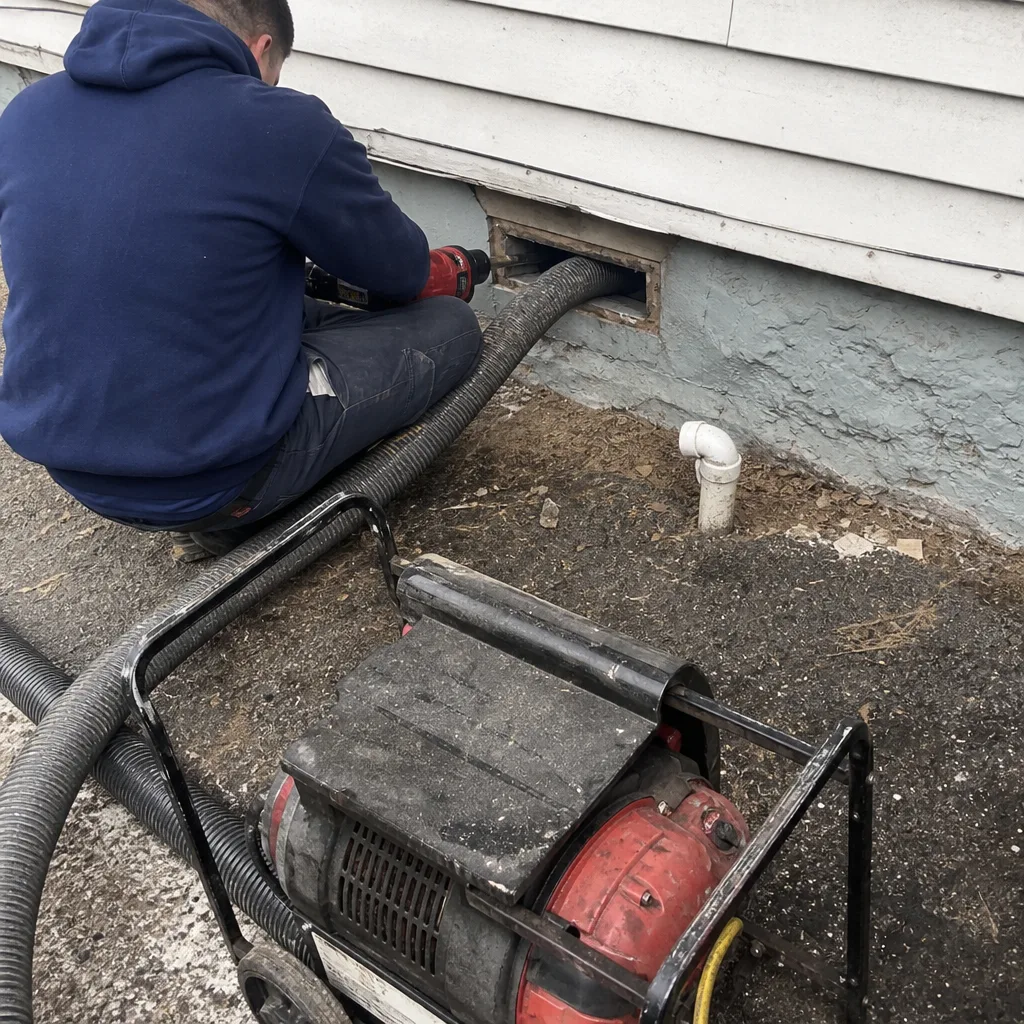 Before
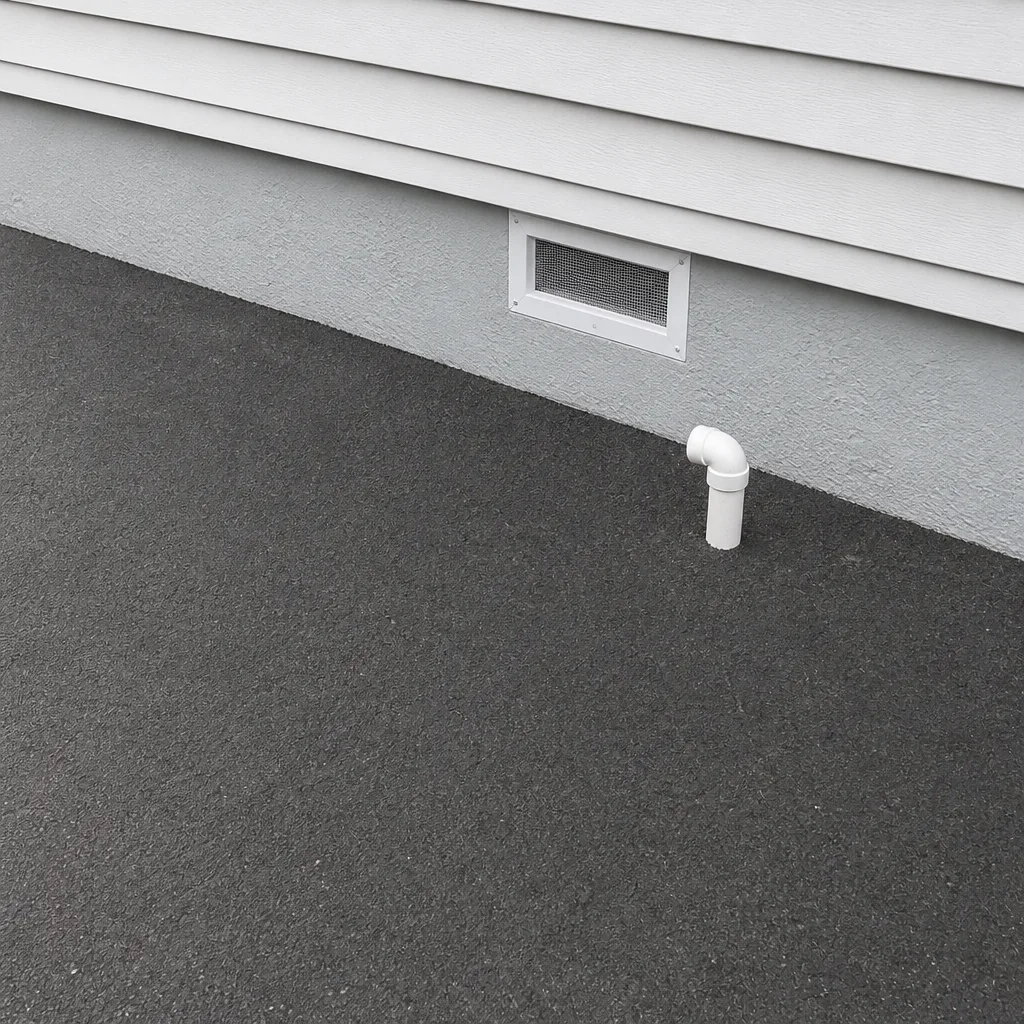 After
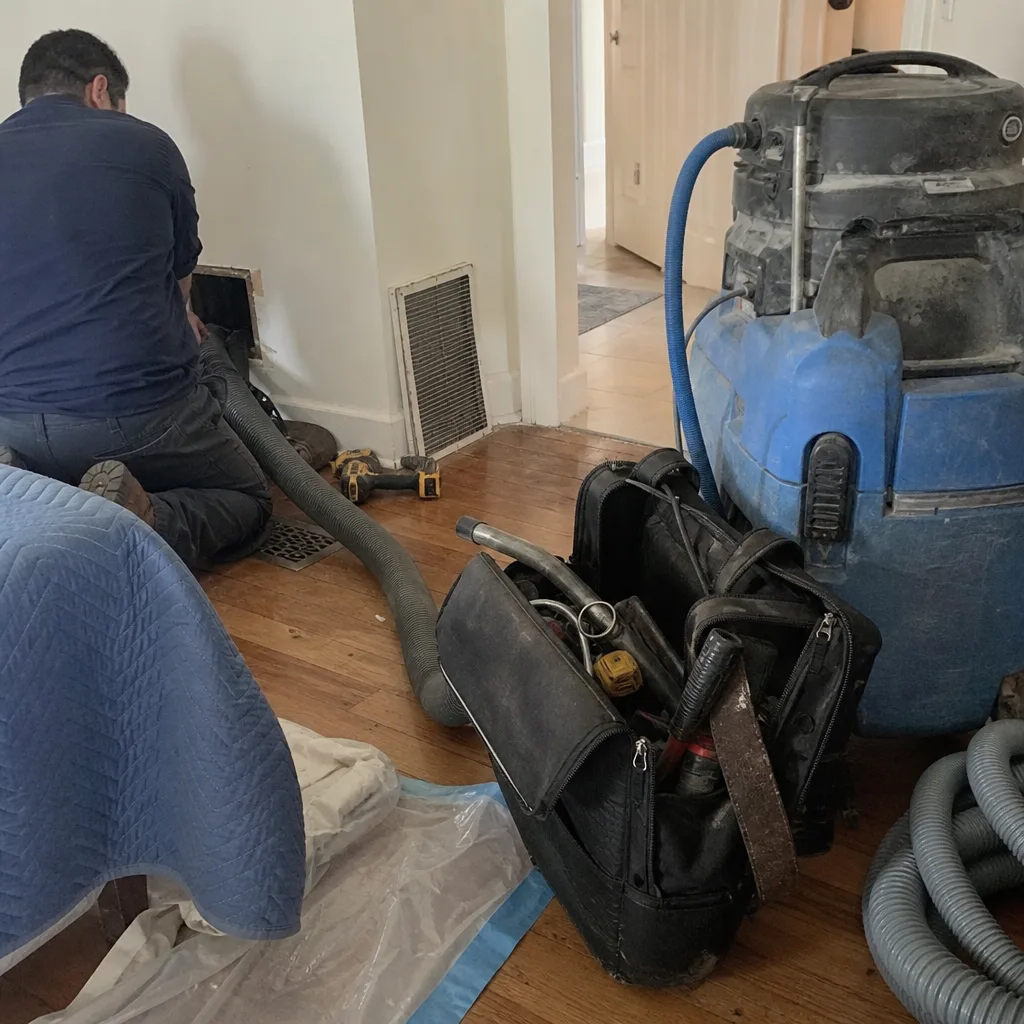 Before
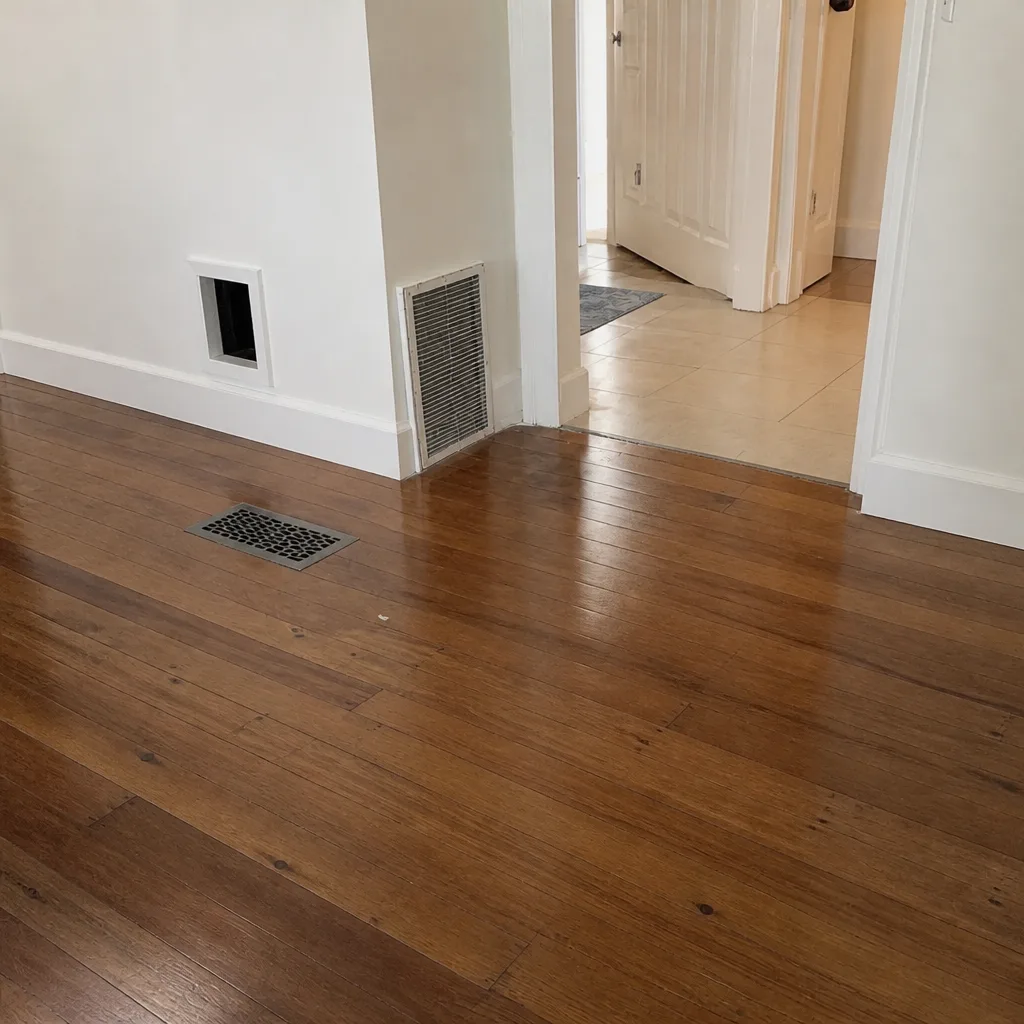 After
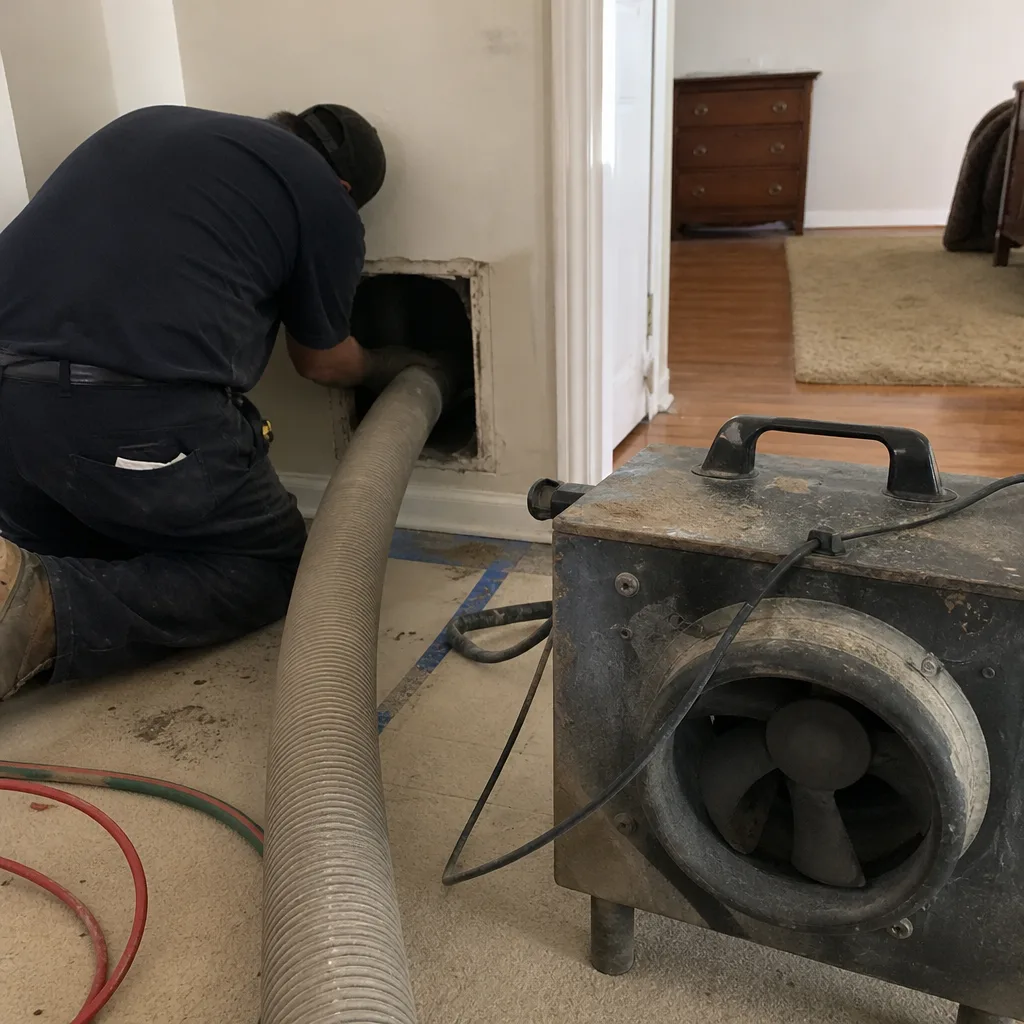 Before
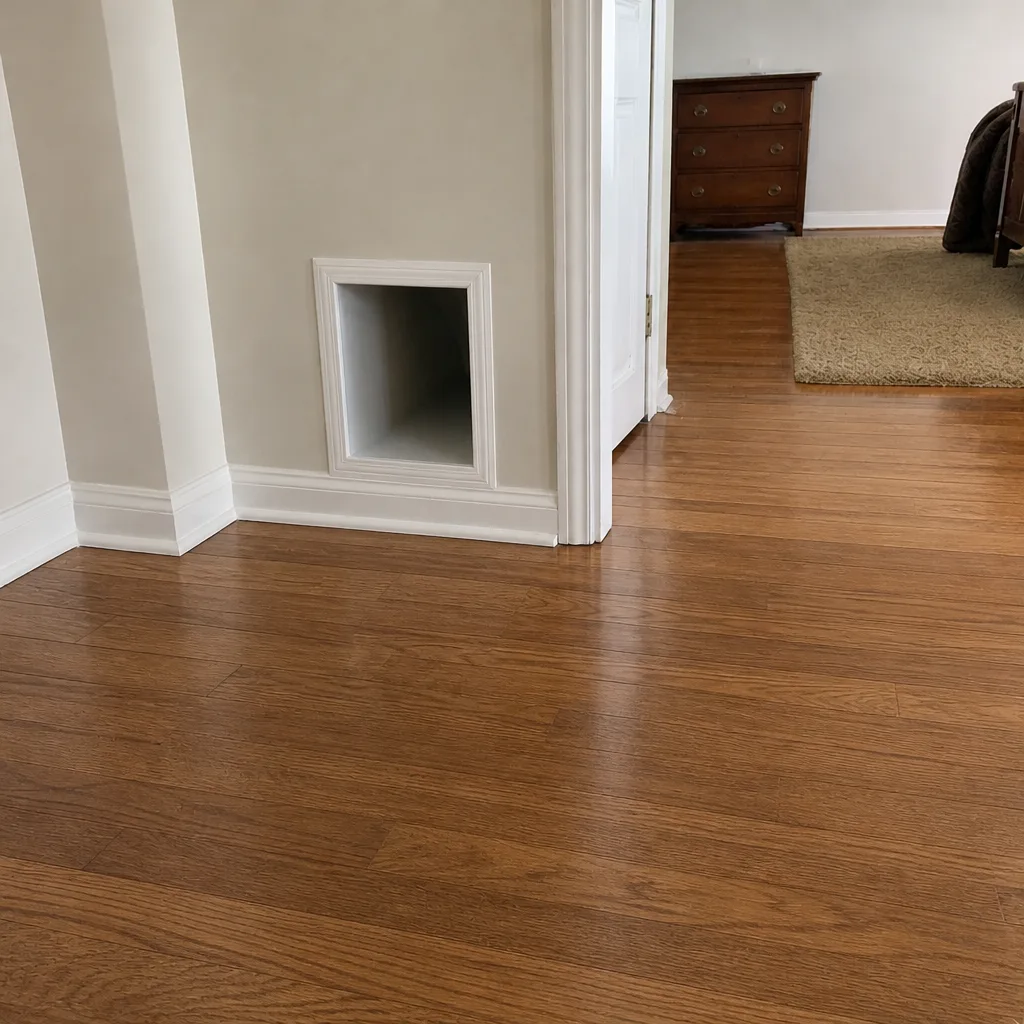 After
When to Call a Professional
Call a professional duct cleaning company when more than one of these applies: visible dust at the registers that returns quickly, musty odors when the system starts, recent renovation in the building, an oil-to-gas conversion in the last several years, or a building close to the Major Deegan corridor that hasn’t had the system inspected in a while. Also call if you’ve just had HVAC work done, or if you’re not sure whether a previous cleaning was thorough. A shop-vac can’t reach the long horizontal runs in Kingsbridge homes, and the risk of pushing debris deeper is real. When in doubt, an inspection costs nothing and answers the question. Air Duct Cleaning Kingsbridge offers free estimates in Kingsbridge. Call (855) 658-4077. We answer 24/7. Fast dispatch from 7am to 7pm, Sunday through Friday.
Frequently Asked Questions
Most whole-system cleanings in Kingsbridge fall within a range that depends on the size of the home, the number of duct runs, and whether repair or sealing is included. We don’t quote per vent, and we don’t use teaser pricing; you get one flat price per system agreed in writing before work starts, so the number on the estimate is the number you pay. Call (855) 658-4077 for an exact quote. Estimates are free.
Cheap quotes usually reflect a smaller job: vacuuming at the registers without mechanical agitation, no containment, no inspection, and no sealing. The price only looks lower because the work is limited. In older Kingsbridge housing, a surface-only job often leaves most of the contamination in place, which means paying again for a real cleaning later. Call (855) 658-4077 to talk through what your system needs before you book.
Ask for before-and-after photos of your own ducts, not stock images, plus a post-job inspection that documents what was found and what changed. A company confident in its work will show you. We take photos at every stage, and we walk you through what we found before we pack up. Call (855) 658-4077 and we’ll explain exactly what a Kingsbridge cleaning includes.
For most homes, a cleaning every several years is enough, but the interval should follow conditions rather than a clock. In Kingsbridge, homes closer to the Major Deegan corridor, buildings with recent renovations, and units with oil-to-gas boiler conversions in their history tend to need attention sooner. If you’re unsure, an inspection will tell you whether the system actually needs cleaning now.
Yes. We handle cleaning and duct repair and sealing in one job so your system is both clean and structurally sound. Deteriorated flex duct, unsealed joints, and shedding fiberglass liner are identified during inspection and addressed the same day. If your ducts need repair before they can hold a cleaning, we’ll tell you before we start. Call (855) 658-4077 to schedule an inspection.
Yes. Air Duct Cleaning Kingsbridge offers full-scope service: air duct cleaning, dryer vent cleaning, HVAC cleaning, duct repair and sealing, and air quality and sanitizing. Clean ducts without a cleaned air handler, or without sealing, leave the job half finished. One call covers it all. Call (855) 658-4077 to book.
The Bottom Line
Duct cleaning in Kingsbridge isn’t a one-size job, and it isn’t a coupon. It’s a process that starts with inspection, runs through contractor-grade equipment under negative pressure, and ends with repair, sealing, and photos you can review. That sequence is what separates a real cleaning from a surface treatment, and it’s what keeps a system clean after the technicians leave. If more than one of the triggers above sounds like your building, get the system looked at. Air Duct Cleaning Kingsbridge offers free estimates. Call (855) 658-4077. We answer 24/7. Fast dispatch from 7am to 7pm, Sunday through Friday.
Written by the team at Air Duct Cleaning Kingsbridge.